
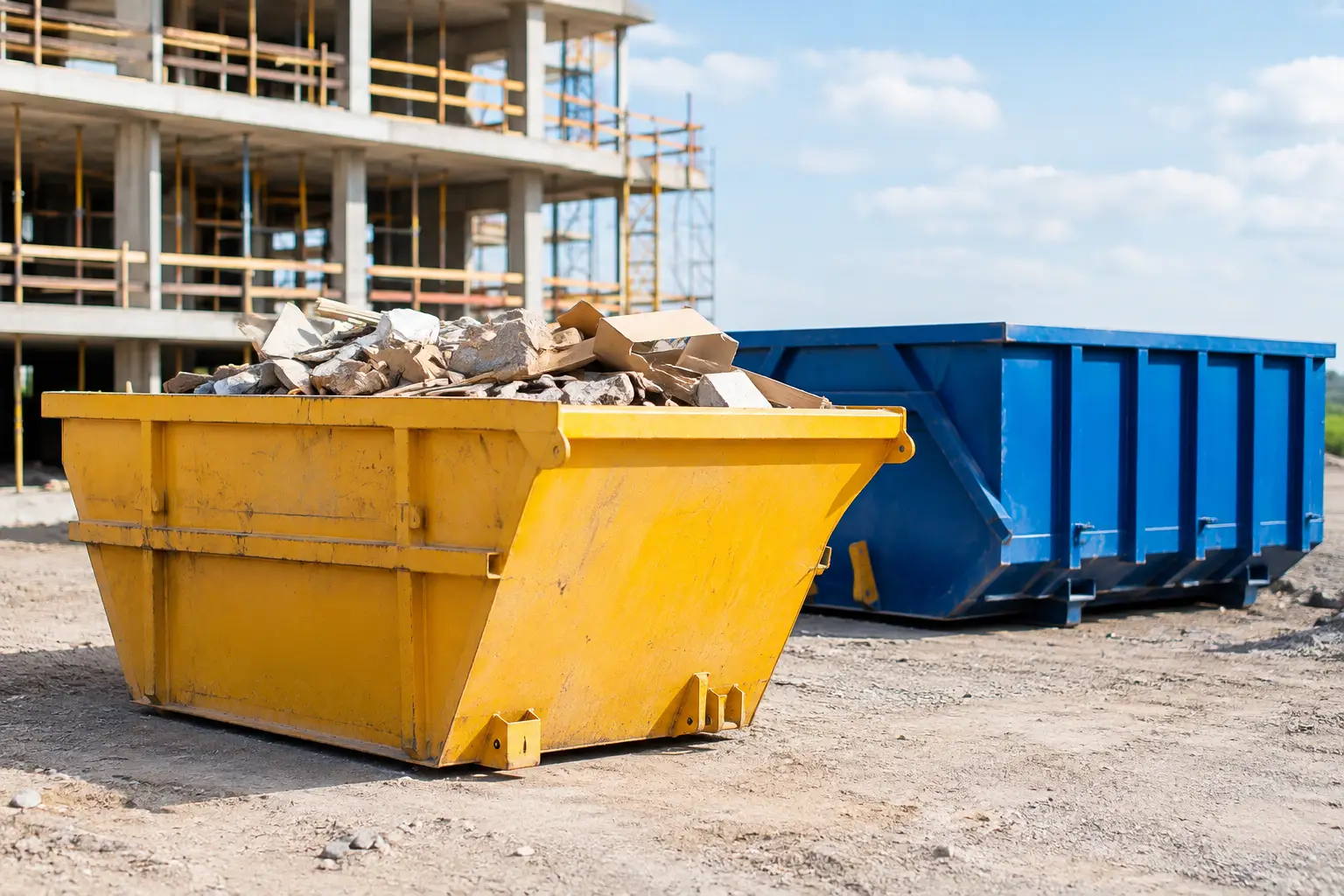
A construction site can look under control in the morning and turn into a pile of lumber, drywall, soil, and packaging by the afternoon. The best construction bins keep that debris from slowing down your crew, blocking access, or creating extra landfill runs. The right bin is not simply the biggest one available. It is the container that fits your material, your space, and the pace of the job.
For homeowners, renovators, and contractors, choosing well starts with two questions: what are you throwing out, and how much of it will there be? Answer those early, and bin rental becomes one less moving part to manage.
What Makes a Construction Bin the Right Choice?
A good construction bin matches the waste stream before it matches the project name. A kitchen renovation, for example, may produce cabinets, flooring, drywall, old fixtures, cardboard, and light scrap metal. That is typically mixed construction debris. A landscaping excavation may produce nothing but soil, which needs a clean fill bin instead.
This distinction affects disposal costs, loading rules, and pickup. Keeping materials separated where possible makes the job site cleaner and helps prevent a load from being treated as mixed waste when it does not need to be. It also reduces the chance of placing restricted materials in a bin by mistake.
The right rental should also fit the property. Consider the driveway or job-site access, overhead clearance, gate width, and where workers need to park or move materials. A bin needs a practical drop location, not just an open-looking spot on a map. Driveway protection matters here, especially for residential projects where concrete, pavers, and asphalt can be damaged by an improperly placed container.
Best Construction Bins by Project Type
Small renovations and interior cleanouts
A 5-yard bin is often enough for a bathroom update, a single-room cleanout, a small flooring project, or the debris from a DIY demolition job. It is a practical choice when driveway space is limited and the material is bulky but not overwhelming.
Small bins work best when the project has a defined scope. If you are pulling out a vanity, tile, drywall, and a few fixtures, a compact container helps keep waste contained without paying for space you will not use. But it can fill faster than expected when heavy materials such as tile, plaster, or concrete are involved.
Kitchen remodels, basement work, and roofing repairs
For mid-sized renovation work, a 10-yard or 14-yard bin often gives homeowners and contractors the right amount of capacity. These sizes suit kitchen tear-outs, basement finishing, deck removal, larger cleanouts, and moderate demolition work.
The key trade-off is between capacity and placement. A larger container reduces the chance of needing a second bin, but it requires more room and can be harder to position on a tight property. If your project is still in the planning stage, think beyond the first day of demolition. Cabinets and drywall may be only part of the load. Packaging, old carpet, trim, insulation, and discarded materials can add up quickly.
Major renovations and demolition projects
A 20-yard or 25-yard bin is generally the better fit for full home renovations, commercial build-outs, large deck removals, estate cleanouts, and demolition debris that is bulky rather than exceptionally dense. These bins give crews room to work without stopping to rearrange or haul waste away in smaller loads.
Large bins are especially useful when several trades are on site. Framing offcuts, drywall, flooring, fixtures, and shipping materials can be collected in one central place, helping keep walkways and work areas clear. Still, larger is not always better. A 25-yard bin packed with heavy concrete, dirt, or asphalt may exceed hauling weight limits. Dense materials need a different plan.
Concrete, asphalt, soil, and clean fill
Heavy material is where bin selection matters most. Concrete, asphalt, brick, soil, and clean fill take up less space than household debris, but they weigh far more. A large container can become too heavy long before it looks full.
For concrete or asphalt removal, use a dedicated bin and load only the approved material. Avoid mixing it with lumber, garbage, plastic, or drywall unless the rental provider confirms that it is accepted. The same goes for clean fill. Soil, sod, clay, and excavated material should be kept free of garbage, roots, construction debris, and other contaminants whenever possible.
Separating heavy loads helps with safe hauling and can keep disposal more straightforward. If you are unsure whether a material counts as clean fill, ask before loading. It is much easier to choose the right container at booking than to sort a full bin later.
How to Choose the Right Bin Size
Estimating waste volume is not an exact science, particularly before demolition starts. A useful approach is to consider both the physical size of the items and their weight. Old furniture, insulation, cardboard, and wood framing consume a lot of space. Tile, concrete, soil, and shingles add weight quickly.
Start by identifying the largest items going into the bin. Cabinets, drywall sheets, carpet rolls, doors, and lumber can create awkward empty spaces if they are tossed in without a plan. Break down materials where safe to do so, stack flat pieces, and place heavier items at the bottom. This helps you get more usable capacity without loading above the bin walls.
Do not count on overfilling. Material that sits above the top edge can create a safety issue during transport and may need to be removed before pickup. A bin should be loaded evenly, with nothing hanging over the sides or extending past the top.
If you are between two sizes, the better choice depends on the material and timeline. For a short project with light, bulky debris, moving up a size can prevent an unnecessary bin swap. For a heavy material job, a smaller dedicated bin is usually the safer option.
Materials That Need Extra Attention
Most general construction bins can handle common renovation debris, including lumber, drywall, flooring, cabinetry, household junk, and non-hazardous materials. However, some items need separate disposal arrangements or prior approval.
Paint, solvents, fuels, propane tanks, batteries, chemicals, tires, electronics, and hazardous materials should never be tossed into a standard construction bin without confirmation. Appliances may also require special handling, particularly if they contain refrigerants. If a project includes insulation, treated wood, large quantities of roofing material, or unknown demolition debris, describe it clearly when requesting a quote.
Being upfront about the material protects your schedule. A rejected load or delayed pickup can hold up a renovation, leave waste sitting on site, and create a problem you did not budget for.
Plan Delivery and Pickup Around the Work
Bin timing can be as important as bin size. Schedule delivery before demolition begins so workers have somewhere to place debris immediately. A pile on the lawn or driveway may seem temporary, but it adds handling time and can create safety concerns.
For multi-day projects, place the bin where it is accessible without blocking the garage, delivery access, or active work zones. Tell the rental provider about narrow driveways, sloped surfaces, low wires, or tight turns before delivery. A local company familiar with residential properties can help identify a workable placement plan and protect the driveway during drop-off.
Pickup should be arranged once the bin is loaded safely and access is clear. Do not park vehicles or leave equipment in front of the container on pickup day. For contractors, it also helps to assign one person to monitor the load. That prevents prohibited materials, overloaded sides, and last-minute surprises when the bin is ready to go.
Get a Quote That Reflects the Actual Job
The cheapest advertised price is not always the lowest final cost. A useful quote should reflect the bin size, material type, rental period, delivery location, and likely weight of the load. Ask what is included and whether certain materials require a separate bin or additional disposal charges.
Forever Green Bin Rental helps homeowners and contractors across York Region and South Simcoe match bins to real cleanup needs, from small room renovations to heavy construction debris. Clear details at booking lead to a smoother delivery, safer loading, and fewer surprises at pickup.
Before the first wall comes down or the first shovel hits the ground, take five minutes to match the bin to the debris. That small decision keeps the site cleaner, the schedule moving, and the cleanup from becoming its own project.