
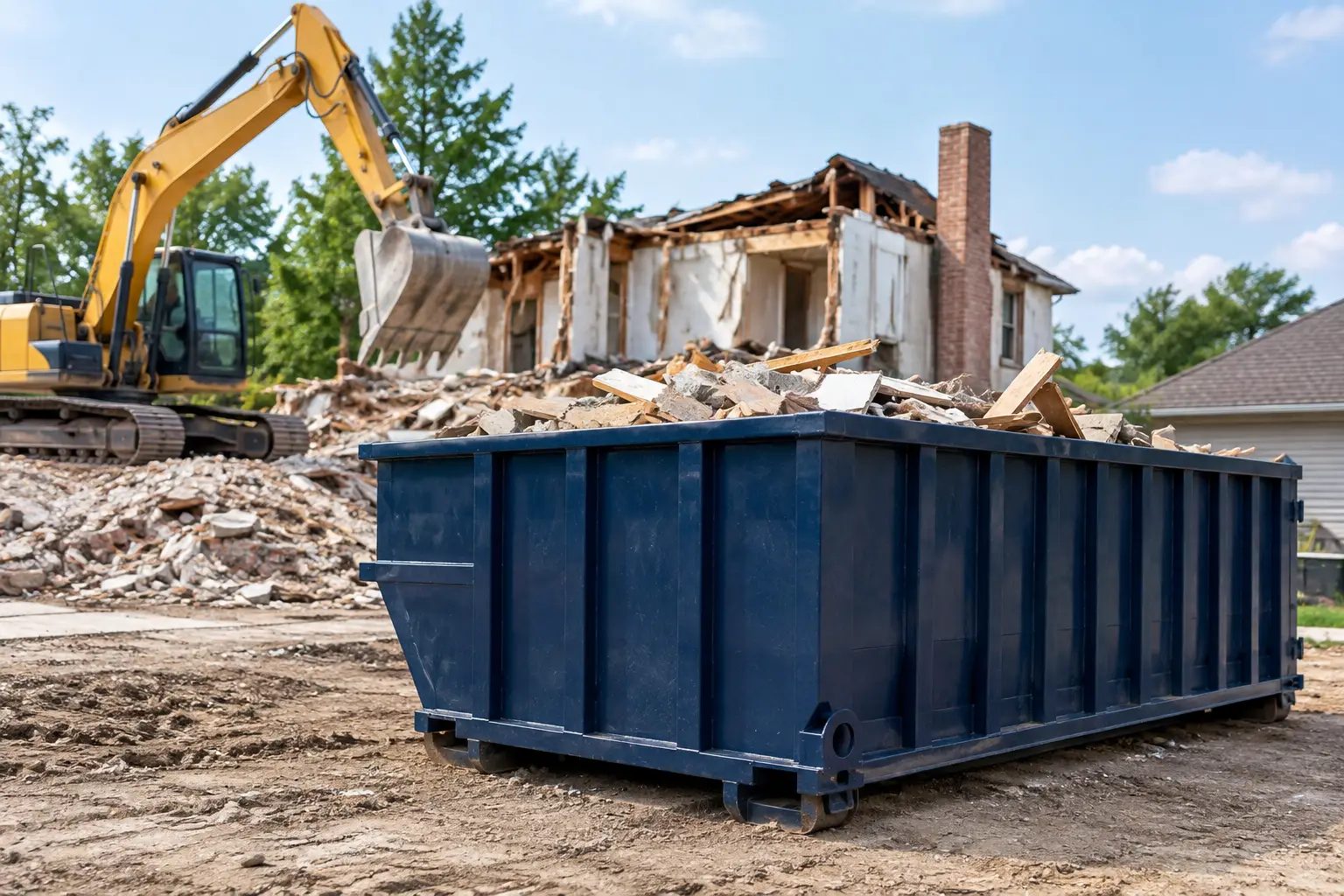
A 20 yard dumpster for demolition review starts with one practical question: can the bin handle both the volume and the weight coming out of your project? For many kitchen tear-outs, bathroom renovations, basement demos, and small interior removals, the answer is yes. But demolition debris can get heavy quickly, and choosing by bin size alone can lead to an overloaded container, extra charges, or a pickup delay.
A 20-yard bin is often the middle-ground choice for homeowners and contractors. It holds a meaningful amount of material without taking up the space of a large construction bin. The right fit depends on what you are removing, how much of it is dense material, and whether the work is happening all at once or in stages.
Our 20 Yard Dumpster for Demolition Review
A 20-yard dumpster is generally a strong option for medium demolition projects. It is large enough to keep a work area clear during an active renovation, yet manageable for many residential driveways and job sites. Exact dimensions vary by container, but this size commonly has a footprint around 22 feet long, 8 feet wide, and 4 to 5 feet high.
That height matters. Most demolition debris can be loaded over the side, and many roll-off bins have a rear door that makes it easier to walk in bulky materials such as cabinets, lumber, doors, and drywall. A lower wall than a larger bin can also make loading safer when the crew is handling heavy pieces by hand.
The capacity is about 20 cubic yards, which is equal to roughly six pickup truck loads of loose material. That comparison is useful for visualizing volume, but it does not tell the whole story. Six truck loads of old framing lumber are very different from six truck loads of concrete, tile, brick, or wet plaster.
When a 20-Yard Bin Is a Good Fit
This bin size works well when the demolition is contained to one or two areas of a property. A typical kitchen tear-out, for example, may include cabinets, countertops, drywall, flooring, a sink, trim, and light framing changes. A 20-yard dumpster usually provides enough room to work without scheduling multiple disposal runs.
It is also a practical choice for a standard bathroom demolition, especially when the project includes a tub, vanity, wall tile, drywall, and subfloor materials. If you are renovating two bathrooms or combining a bathroom tear-out with another room cleanout, volume can build fast. In that situation, a 20-yard container may still work, but material type becomes more important.
For basement renovations, this size is often useful for removing old paneling, suspended ceilings, carpet, insulation, shelving, non-load-bearing walls, and general household debris. It can also suit a partial garage or shed demolition where most of the structure is wood and light materials.
Contractors often choose a 20-yard bin for phased interior work. Rather than allowing debris to pile up inside, they can load the container at the end of each day and keep access paths safer for the trades coming next.
The Weight Issue That Changes the Decision
The most common mistake in demolition waste planning is treating every material as general debris. A bin can look only half full and still reach its weight allowance if it contains dense material.
Concrete, asphalt, brick, soil, stone, tile, mortar, and plaster should never be treated as an afterthought. These materials are usually better suited to a dedicated clean-fill or concrete bin, depending on the local disposal rules and the condition of the material. Mixing heavy masonry with wood, packaging, insulation, and household waste can limit recycling options and increase disposal costs.
A 20-yard dumpster is best for mixed demolition debris that is mostly light to moderate in weight: lumber, drywall, cabinetry, flooring, insulation, doors, trim, plastic, and general renovation waste. Some tile or small masonry pieces may be acceptable depending on the rental terms, but it is worth confirming before loading. A quick conversation before delivery is much easier than sorting a full bin later.
If your project involves tearing out a concrete patio, driveway section, block wall, brick chimney, or thick tile bed, ask for the bin designed for that material. A smaller heavy-material bin can be the smarter and more affordable choice than a larger mixed-waste container.
How Much Demolition Can It Hold?
A 20-yard dumpster can handle a substantial amount of interior debris, but project estimates should include more than the room’s visible finishes. Demolition creates loose material that takes up space fast. Drywall breaks into awkward pieces, old insulation expands, and cabinets do not stack neatly unless they are broken down.
For a kitchen, account for the contents of the cabinets, countertop material, backsplash, flooring, drywall repairs, and any sections of framing being removed. For a bathroom, think beyond the fixtures. Tile, cement board, mortar, subfloor, plumbing cutoffs, and packaging from new materials can add up.
A good rule is to select the next size up if your estimate already fills a 20-yard bin on paper. Debris should remain below the top edge of the container for safe transport. Overfilled bins cannot be covered or hauled legally, which means material may need to be removed before pickup.
Site Access and Driveway Protection Matter
A dumpster is only helpful if it can be placed where your crew needs it. Before booking, measure the driveway or job-site area and consider overhead clearance. Low branches, utility lines, parked vehicles, gates, and tight turns can all affect delivery.
You will also want to leave enough room for the truck to safely place and retrieve the bin. The container itself may fit in a narrow area, while the delivery truck still needs space to maneuver. Let the rental provider know if access is tight, if the bin needs to go behind a building, or if the site has a steep slope.
Driveway protection should not be an optional detail. Wood boards or proper protective materials placed under the dumpster help reduce direct contact with the surface and spread the load. Forever Green Bin Rental includes driveway protection with every rental because keeping cleanup simple should not come at the expense of your property.
When a Different Size Makes More Sense
A 20-yard dumpster is not automatically the best choice just because the project is called a demolition. For a small powder room, a single-room flooring removal, or a light shed cleanout, a 10- or 15-yard bin may be easier to place and more cost-effective.
On the other hand, consider a 25-yard bin if you are removing several rooms at once, gutting a large basement, dismantling a substantial wood structure, or combining demolition debris with a major cleanout. The larger container gives you more room for bulky material, but it does not solve a heavy-material problem. A bigger bin filled with concrete or brick can still exceed allowable hauling weight.
It also depends on your work schedule. If demolition will happen over several weeks, a 20-yard bin with a timely swap-out can be more practical than one oversized container occupying the driveway for the entire project. Contractors managing tight timelines often benefit from matching bin delivery and pickup to each stage of the job.
Get the Waste Stream Right Before Delivery
The best demolition bin is not simply the largest one available. It is the container that matches the materials you expect to remove. Be clear about whether the load will include general household waste, construction debris, clean fill, concrete, asphalt, appliances, or other restricted items. Hazardous materials, paint, chemicals, propane cylinders, batteries, and certain electronics require separate disposal arrangements.
Photos and a simple material list can help a local bin provider recommend the right size and waste stream. This is especially useful when a project includes both light renovation debris and dense materials. Separating those loads from the start helps keep the site organized and gives you a clearer idea of the final disposal cost.
For most medium interior tear-outs, a 20-yard dumpster offers the space, access, and flexibility needed to keep demolition moving. Measure the site, estimate the material honestly, and ask about weight limits before the first wall comes down. That small bit of planning can keep your driveway protected, your crew productive, and your cleanup on schedule.