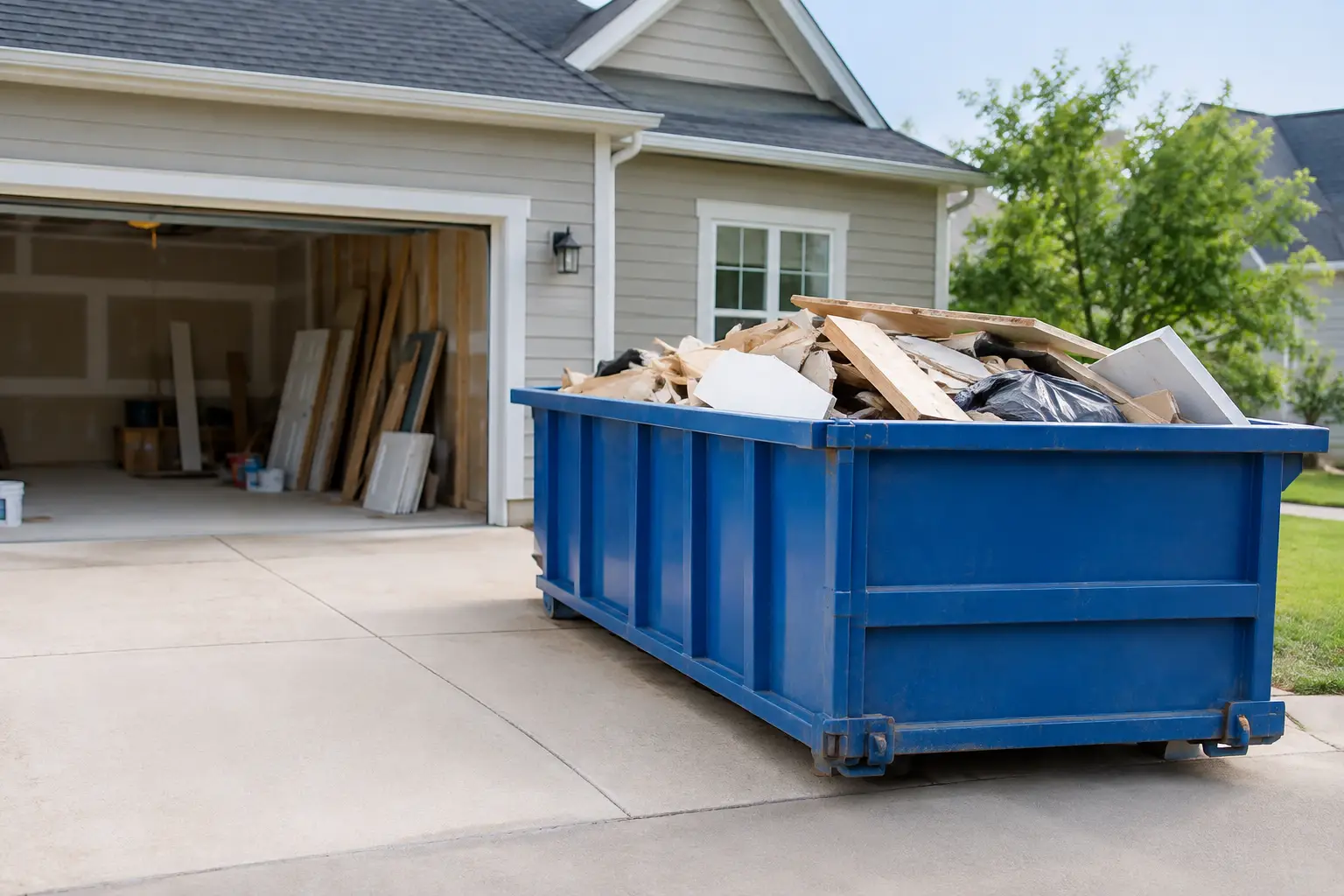
A few garbage bags can handle a weekend tidy-up. A torn-out kitchen, packed garage, or pile of broken concrete is a different job entirely. The top projects that need dumpster rentals are usually the ones where debris grows faster than your curbside collection can handle - and where keeping materials contained keeps the property safer and the work moving.
For homeowners, renovators, property managers, and contractors, a bin rental removes the repeated landfill trips that eat up an already busy schedule. The right container also matters. General waste, clean fill, concrete, asphalt, and mixed materials each need a different disposal plan, and choosing correctly at the start helps prevent delays or unexpected sorting issues later.
Top Projects That Need Dumpster Rentals
Whole-home and estate cleanouts
A whole-home cleanout can fill a truck faster than most people expect. Furniture, boxes, clothing, old appliances, carpeting, household items, and years of stored belongings add up quickly. This is common after a move, a downsizing decision, an estate settlement, or a major reset before putting a house on the market.
A 10-yard or 14-yard bin is often a practical starting point for a multi-room cleanout, while a smaller 5-yard bin may be enough for a single bedroom, garage corner, or light decluttering project. The best choice depends less on square footage and more on what has been stored. Heavy books, old furniture, and packed basement shelves can create far more volume than expected.
Before loading, set aside usable items for donation and identify materials that may need separate disposal. Keeping a clear path to the bin also makes the cleanup safer when several people are carrying bulky items.
Renovations and remodeling projects
Renovations create waste in stages. Demolition produces drywall, flooring, cabinets, fixtures, lumber, and insulation. Then packaging, cutoffs, and replaced materials continue to accumulate as the work progresses. A driveway pile may seem manageable on day one, but it quickly becomes an obstacle for trades, deliveries, and daily access to the home.
Kitchen and bathroom remodels commonly call for a 10-yard or 14-yard bin. Larger renovations involving multiple rooms, extensive flooring removal, or framing work may need a 20-yard or 25-yard bin. Bigger is not always better, though. Dense materials can make a large container too heavy to fill completely, so it is worth discussing the debris type before booking.
For renovation waste with several materials mixed together, a mixed-material or general waste bin is often the sensible option. If the project has large quantities of concrete, asphalt, or soil, keep those materials separate rather than mixing them with wood, drywall, and household waste.
Basement finishing and demolition work
Basement projects have a particular way of producing bulky waste. Old paneling, dropped ceilings, carpet, framing lumber, insulation, drywall, and outdated fixtures can all come out before the new space takes shape. Getting debris up the stairs and out of the work area is hard enough. Letting it build up around the house makes the job tougher.
A dumpster placed close to the work route gives crews somewhere to put material as it comes out. That keeps the basement clearer, helps reduce trip hazards, and creates more room for the next phase of work. A 10-yard bin works well for many smaller basement demolitions, while a 20-yard bin may better suit a full renovation with framing, flooring, and multiple rooms.
Contractors should also plan for the sequence of work. Booking a bin for the demolition phase can be more efficient than trying to hold every scrap until the end, particularly when the project site has limited storage space.
Roofing replacement
Roofing debris is compact but heavy. Old shingles, underlayment, flashing, nails, and damaged plywood can create a substantial load in a short time. Leaving that material on the lawn or driveway until the end of the job can damage landscaping, create puncture hazards, and slow down cleanup.
A dedicated dumpster allows roofers to keep tear-off material contained throughout the project. Bin size depends on the roof area, number of shingle layers, and whether plywood or other structural materials are being replaced. Since shingle loads become heavy quickly, accurate planning matters more than simply choosing the largest container available.
Property protection matters here, too. A bin should be placed carefully, with driveway protection used underneath it to help reduce the risk of surface damage. That is one small detail that makes a major difference for homeowners who are already investing in a new roof.
Landscaping, yard restoration, and clean fill removal
Major outdoor work is one of the most overlooked reasons to rent a bin. Removing sod, soil, shrubs, small trees, old patio material, landscaping timbers, or garden waste can leave a property with a large pile that municipal pickup will not take. The same is true for projects involving grading, drainage improvements, or excavation.
The key question is what the pile contains. Clean fill bins are intended for materials such as soil, dirt, and other accepted clean excavation material. Loads should stay free of garbage, wood, plastic, roots, and mixed construction debris. A clean fill load is easier to manage when it remains clean from the beginning.
For a patio or walkway replacement, concrete and asphalt should usually go into a designated bin. Separating heavy aggregate materials from general waste supports proper disposal and avoids the problem of overloading a mixed bin. If soil is wet, compacted, or mixed with debris, ask about the best option before loading.
Concrete, asphalt, and hardscape removal
Breaking up a driveway section, concrete pad, old retaining wall, or asphalt walkway produces a pile that looks smaller than it really is. These materials are extremely heavy, which means container size needs to be selected with weight in mind, not just volume.
A smaller bin is often the right choice for concrete or asphalt because it keeps the load manageable. This is one project where a 5-yard container can be more useful than a much larger bin. Concrete with rebar, soil attached, or other mixed materials may require different handling, so a quick conversation before delivery can prevent a costly mistake.
For contractors, a separate concrete or asphalt bin also keeps recyclable heavy material out of general construction waste. It is a cleaner approach that helps keep the job site organized.
Moving, downsizing, and rental turnover
Moves bring out the items people have been avoiding for years: worn mattresses, broken shelving, old rugs, unwanted furniture, and boxes that have not been opened since the last move. Landlords and property managers face the same issue during rental turnovers, especially when a unit needs to be cleared and repaired between tenants.
A small or mid-sized dumpster offers a single place for non-hazardous disposal while the property is being emptied, cleaned, and prepared. It is particularly useful when timing is tight and multiple crews are working on painting, repairs, and cleaning at once.
This type of project benefits from booking based on access. Think about where movers, service vehicles, and contractors need to park. A local provider can help identify a placement location that is convenient without blocking the work.
How to Match the Bin to the Job
The most efficient rental is not necessarily the biggest one. Start by estimating both the amount and weight of the debris. Light but bulky materials such as furniture, lumber, and packaging may justify a larger container. Heavy materials such as dirt, concrete, asphalt, brick, and shingles usually require a more controlled load.
Next, consider whether materials can stay separated. A clean fill bin is meant for clean fill, while concrete and asphalt bins are best reserved for those dense materials. General waste and mixed-material bins are useful for many renovations and cleanouts, but they are not a catch-all for restricted or hazardous waste.
Finally, plan the delivery location before the bin arrives. Measure the available space, move vehicles, and keep access clear for the delivery truck. Forever Green Bin Rental includes driveway protection with every rental, but a clear, level placement area still helps ensure a smooth delivery and pickup.
A dumpster should make a project feel more manageable, not create another decision to worry about. Take a minute to describe the materials, the size of the cleanup, and the timeline before booking. That simple step helps put the right bin at the right property when the work is ready to begin.