
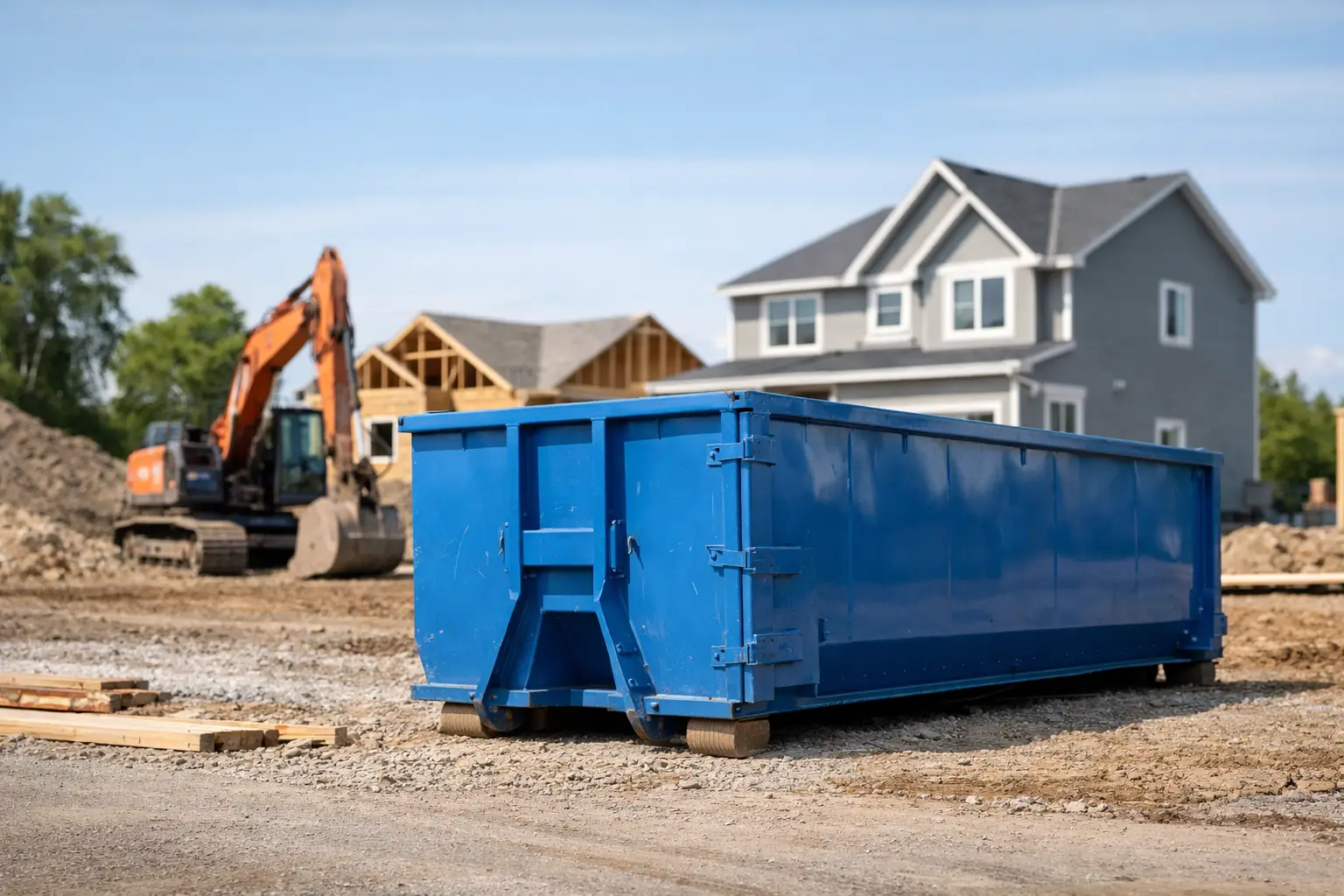
A roll-off bin can make a renovation, cleanout, or job-site cleanup much easier - but only if the delivery truck can place it safely and you can load it without creating a new problem. This roll-off container placement guide covers the decisions that matter before your bin arrives: where it will sit, what needs to be moved, and how to protect access around your property.
The best spot is rarely just the closest open space. It needs to support the container's weight, give the truck room to work, and stay practical for the people carrying debris to it. A few minutes of preparation can prevent delivery delays, driveway damage concerns, blocked garages, and extra handling once your project is underway.
Start With a Firm, Accessible Surface
For most homes, a driveway is the most practical location for a roll-off container. It keeps the bin close to the house, avoids tearing up lawns, and usually gives the delivery truck a clear approach. A level paved driveway is ideal, especially for mixed renovation debris, concrete, or other heavy materials.
Avoid placing a bin on soft ground, loose gravel, wet grass, or an area that has recently thawed or become saturated with rain. A loaded container is heavy. Even a smaller bin can sink into soft soil, while a large container filled with roofing, demolition debris, or clean fill can leave deep ruts or become difficult to retrieve.
If your driveway slopes, placement may still be possible, but it depends on the grade, the size of the bin, and what you plan to load. Let the rental provider know about a steep or narrow driveway when requesting a quote. A quick conversation before delivery is much easier than trying to adjust the plan when the truck is already on site.
Measure More Than the Bin Itself
A container needs room to be delivered, not just room to sit. The truck must back into position and use its rolling system to set the bin down. That means the route to the placement area matters as much as the footprint of the container.
Before booking, check the driveway width, the turning area at the street, and any parked vehicles that could limit access. Move cars out of the driveway and, if needed, arrange for street parking elsewhere on delivery day. The driver needs a clear path from the road to the final placement spot.
Look up, too. Low tree limbs, utility wires, basketball nets, carports, and overhanging roofs can interfere with delivery or pickup. The truck raises the container while loading and unloading it, so vertical clearance is essential. Trim branches ahead of time when possible, but never handle or work near utility lines yourself.
A practical rule is to choose a spot where the bin can sit in a straight, open section of driveway with enough clearance behind and above it. If access is tight, share photos or measurements when you request your rental. Local guidance can help determine whether your preferred spot will work.
Protect Your Driveway Before Delivery
Homeowners often ask whether a roll-off bin will damage a driveway. The honest answer is that any heavy container has some risk, particularly on older asphalt, decorative concrete, pavers, or surfaces with existing cracks. Weight, weather, bin size, and the type of material being loaded all affect the outcome.
Protection under the container helps distribute contact and reduces direct pressure on the driveway. At Forever Green Bin Rental, driveway protection is included with every rental because property care should be part of the service, not an added surprise.
You can also help by clearing the driveway of loose stones, planters, hoses, toys, and other items before the truck arrives. These items can get damaged, shift under the bin, or make it harder to place the container evenly. If your driveway has a weak edge, visible deterioration, or a drainage issue, point it out before delivery so the driver can avoid the most vulnerable area.
Do not place plywood, scraps of lumber, or makeshift supports under the bin unless your provider has advised you to do so. Materials that are too thin, uneven, or poorly positioned may crack, slide, or create an unstable base.
Keep Daily Access in Mind
The closest placement is not always the most useful placement. Think through how you will use the property while the bin is there. If the container blocks the garage, can you park on the street? If it sits near the front door, can family members, tenants, or trades still enter safely? If it is near a gate, will landscapers or contractors need that access?
For a basement cleanout or interior renovation, placing the bin near the main exit can save a lot of carrying. For roofing work, demolition, or a large contractor project, a location that gives workers a direct path without crossing active work areas is often better. Keep children, pets, and visitors away from the loading path, especially when sharp or heavy debris is being moved.
Also consider pickup day before you start filling the bin. The truck will need access to the container again, so do not park vehicles in front of it or stack materials around the outside. A bin that is easy to deliver but blocked at pickup can slow down your project.
Choose Placement Based on What You Are Throwing Away
The material inside the container can change the best placement strategy. General household waste, furniture, drywall, and light renovation debris are usually manageable in a driveway location close to the house. Heavy materials need more thought.
Concrete, asphalt, soil, brick, and clean fill add weight quickly. These materials may require a dedicated bin and specific loading limits. A smaller container on a firm, level area is often the safer choice than a large bin filled beyond its approved capacity. Ask about the correct bin type before delivery rather than assuming all debris can be mixed together.
If you are disposing of mixed materials from a renovation, keep prohibited items out of the bin and separate materials when requested. Hazardous waste, paint, chemicals, propane tanks, batteries, and certain electronics should not be tossed in with general debris. Proper sorting keeps disposal safe and helps avoid unexpected issues at pickup.
Plan for Safe Loading
Once the bin is placed, load it evenly from front to back. Put heavier items at the bottom and spread them across the container rather than creating one overloaded corner. Break down bulky materials when practical so you use the available space efficiently.
Keep all debris below the top rail. Overfilled bins are unsafe to transport, and loose material can shift or fall during pickup. If you expect large pieces of furniture, long lumber, cabinets, or demolition materials, allow room for them rather than filling the bin with small items first.
Do not move the container after it has been placed. Roll-off bins are not designed to be dragged, pushed, or repositioned by hand. If the location is no longer working, call the rental company to discuss safe options.
Check Street Placement and Local Rules
When a driveway is unavailable, a bin may need to be placed on the street. This can work well for narrow lots, busy renovation sites, or properties without off-street parking, but it may require approval depending on the municipality and the road conditions.
Before planning street placement, check local permit requirements and parking restrictions. Keep the proposed location away from intersections, fire hydrants, mailboxes, sidewalks, and driveways. The container should not block sightlines for drivers or interfere with pedestrian access.
For homeowners and contractors in York Region and South Simcoe, local requirements can vary by community. Asking early gives you time to make the right arrangement instead of delaying a cleanup once crews and materials are already on site.
Prepare the Area the Day Before
The easiest delivery is one where the driver can arrive, place the bin, and leave without having to wait for a vehicle to be moved or an obstacle to be cleared. The day before delivery, remove vehicles, confirm the placement area is open, and make sure gates are unlocked if access requires them.
Mark the preferred location if it is not obvious, especially on a large property or an active construction site. Let household members, tenants, or crews know where the bin will be placed and remind them to keep the route clear. If weather has changed the condition of the ground or driveway, contact the provider before delivery.
A well-placed roll-off container does more than hold debris. It keeps your cleanup moving, protects the parts of the property you need to keep using, and gives everyone on the project a safer place to work. Choose the spot with access, surface strength, and pickup in mind, then let the bin do the heavy lifting.