
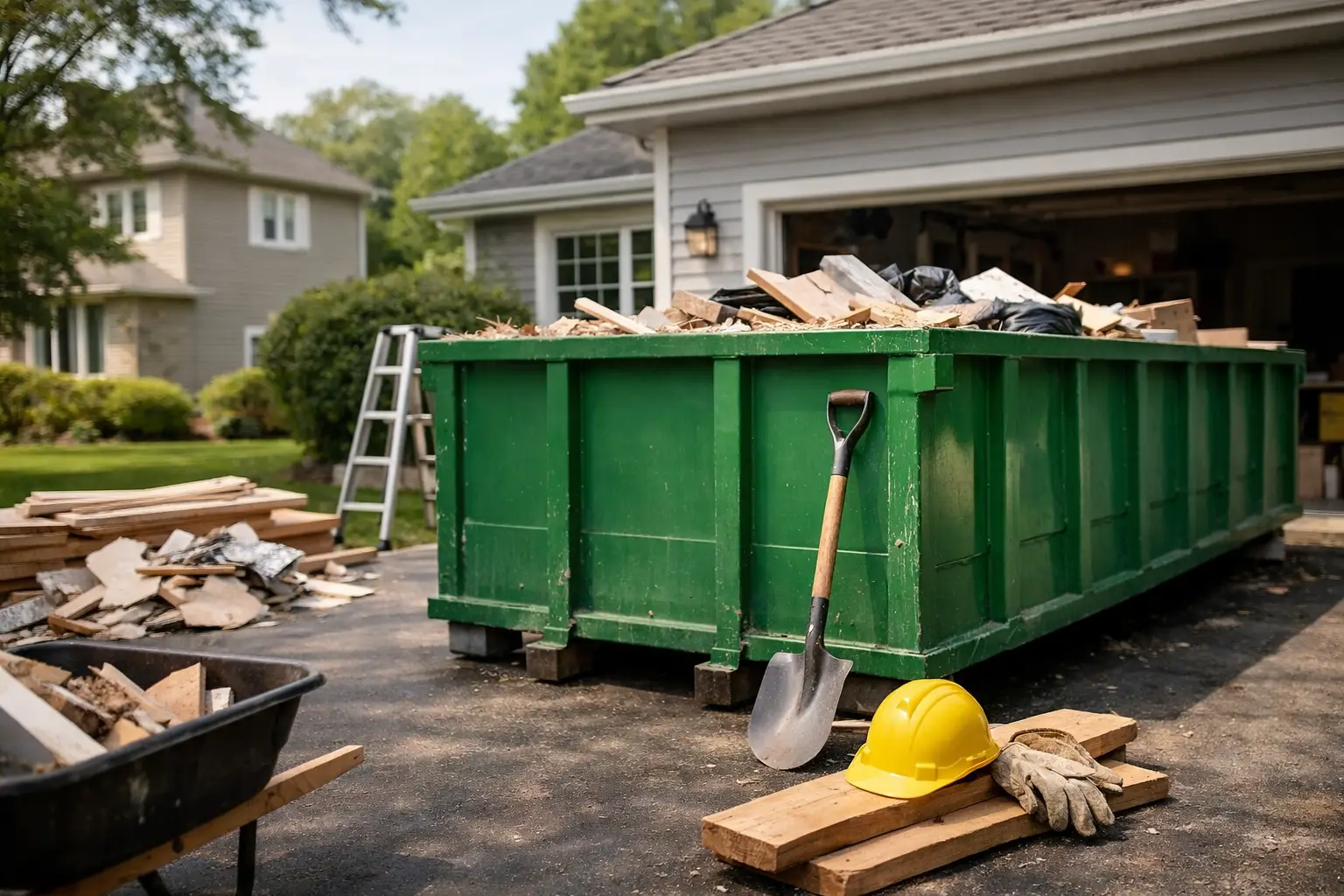
A cleanup project usually starts the same way - one pile in the garage, one stack by the curb, and one moment where you realize your regular trash pickup is not going to handle it. A residential dumpster rental guide helps you make the right call early, before debris slows down the job, takes over your driveway, or turns a weekend project into three weeks of hauling.
For homeowners, the best rental experience is rarely about getting the biggest bin. It is about matching the container to the work, understanding what belongs in it, and booking around your actual timeline. That is where many projects either stay simple or become more expensive than they need to be.
When a dumpster rental makes sense
A dumpster is the practical choice anytime your project creates more waste than your household garbage service can take. That includes basement cleanouts, roofing jobs, deck removals, kitchen remodels, flooring replacement, yard overhauls, and moving prep. If debris will pile up for more than a day or two, having a bin on site usually saves time, labor, and repeat landfill trips.
It also helps keep the project safer. Loose material scattered across a driveway or lawn creates tripping hazards and slows down everyone working around it. A container gives you one place to load as you go, which is especially useful during demolition or renovation work.
There are trade-offs, of course. If you only have a few bulky items, a junk removal service may be enough. If you are tearing out cabinets, drywall, flooring, and old fixtures over several days, a dumpster is usually the better fit because you control the pace.
Residential dumpster rental guide to choosing the right size
Bin size is where most homeowners second-guess themselves. Renting too small means overflow or the need for a second container. Renting too large can mean paying for space you did not need. The right size depends on both volume and material.
A small 5-yard bin works well for light home cleanouts, single-room refreshes, small bathroom tear-outs, and yard debris from minor landscaping. It is often the best starting point when space is tight and the waste is not especially bulky.
Mid-sized bins are a better fit for larger cleanouts, flooring removal across multiple rooms, deck boards, fencing, or moderate renovation debris. These are common choices for homeowners who know the project will generate more than a few pickup loads but not enough to justify the biggest container.
Larger 20-yard to 25-yard bins are often used for major renovations, full basement finishing, roofing, demolition, or heavy-volume cleanup. Bigger is not always better, though. Heavy materials such as concrete, soil, brick, or asphalt can fill weight limits long before the bin looks full. In those cases, a smaller specialized bin is often the smarter and more cost-effective choice.
If you are not sure, describe the project instead of guessing by size alone. A good rental company can usually recommend the right container based on the type of debris, not just the square footage of the room.
What you can throw away - and what needs a separate plan
Most residential projects create general waste that can go into a standard dumpster. That often includes wood, drywall, old furniture, non-recyclable household junk, renovation debris, and yard waste, depending on the material mix and local disposal rules.
The part that trips people up is restricted material. Paint, chemicals, propane tanks, batteries, tires, asbestos, and certain electronics usually need separate disposal. Appliances may depend on the item and whether refrigerants are involved. Mattresses, soil, concrete, and shingles may also require special handling or pricing.
This is one of the biggest reasons to ask questions before delivery. If you load prohibited material into a mixed waste bin, the issue usually shows up later as extra sorting fees, disposal delays, or the need to remove items before pickup. A quick conversation up front avoids that problem.
Placement matters more than most people expect
Where the bin goes affects convenience, property protection, and pickup speed. Most homeowners prefer driveway placement because it keeps the container close to the work area and makes loading easier. But access matters. The truck needs enough room to deliver and remove the bin safely, and overhead wires or tree branches can create problems.
This is also where local experience matters. A company that handles residential deliveries every day will usually flag placement issues before they become scheduling problems. Driveway protection is another detail worth paying attention to. A heavy container can mark or stress certain surfaces, especially when loaded over several days. Built-in protection helps reduce that risk and gives homeowners one less thing to worry about.
Street placement may be possible in some cases, but permits or municipal restrictions can apply. If your driveway is steep, narrow, or already crowded with vehicles, ask about options before booking.
How pricing usually works
A residential dumpster rental guide would not be very useful without talking about cost. Most rentals are priced around a few core factors: bin size, rental period, material type, and disposal weight. Location and access can also affect the quote.
The cheapest option on paper is not always the least expensive in practice. A low base rate can look appealing until overage charges, restricted materials, or an undersized bin force extra costs later. Clear quote-based pricing is often the better route because it reflects the actual job instead of a generic starting number.
Material matters here. General household debris is priced differently from clean fill, concrete, or asphalt because disposal sites handle those loads differently. If you mix heavy material into a general waste bin, you may pay more than expected. Keeping waste streams separated when possible can help control costs.
Timing matters too. If your contractor starts Monday but the bin arrives Thursday, that delay can create a mess and add labor. If the bin is picked up too early, debris ends up sitting on site. Good scheduling is not a small detail. It is part of what makes the rental worth it.
A simple way to book the right bin
For most homeowners, the easiest approach is to think through four questions before requesting a quote. What are you throwing out? How much of it is there? How heavy is the material? And where can the bin go?
You do not need perfect measurements. A clear description of the job usually gets you close. Saying you are removing kitchen cabinets, laminate flooring, and drywall from a 200-square-foot space is more useful than saying you need a medium bin. The more specific you are, the easier it is to get the right recommendation the first time.
It also helps to be realistic about the schedule. Many residential projects take longer than expected, especially when homeowners are doing the work themselves on evenings and weekends. If there is a chance the job will stretch, mention that early so the rental window fits the pace of the project.
Common mistakes that lead to extra cost or frustration
The most common mistake is choosing by price alone and not by material. Heavy debris can change the equation fast. Another is overfilling the bin. If debris sits above the top edge, pickup may be delayed until the load is leveled for safe transport.
A third mistake is waiting too long to book. During busy renovation and landscaping seasons, short-notice availability can tighten up. If you know the project date, booking ahead gives you a better chance of getting the right size exactly when you need it.
Homeowners also underestimate how much cleaner the process feels when the dumpster arrives before demolition starts. Tossing debris directly into the bin saves time, protects the work area, and reduces the temptation to create temporary piles that have to be moved twice.
The best residential dumpster rental guide advice is simple
The right rental should make your project easier, not add another layer of decisions. That usually means getting a bin that matches the material, fits the space, protects the property, and arrives on time. For homeowners in places like Newmarket and surrounding communities, that local, responsive approach matters because cleanup projects move fast and driveway space is limited.
Forever Green Bin Rental is built around that kind of practical service - straightforward quotes, the right bin for the job, and delivery that respects your property and timeline.
If you are planning a cleanup, remodel, or yard project, think less about getting rid of junk and more about keeping the work moving. The right bin gives you room to focus on the project itself, which is usually the part that matters most.