
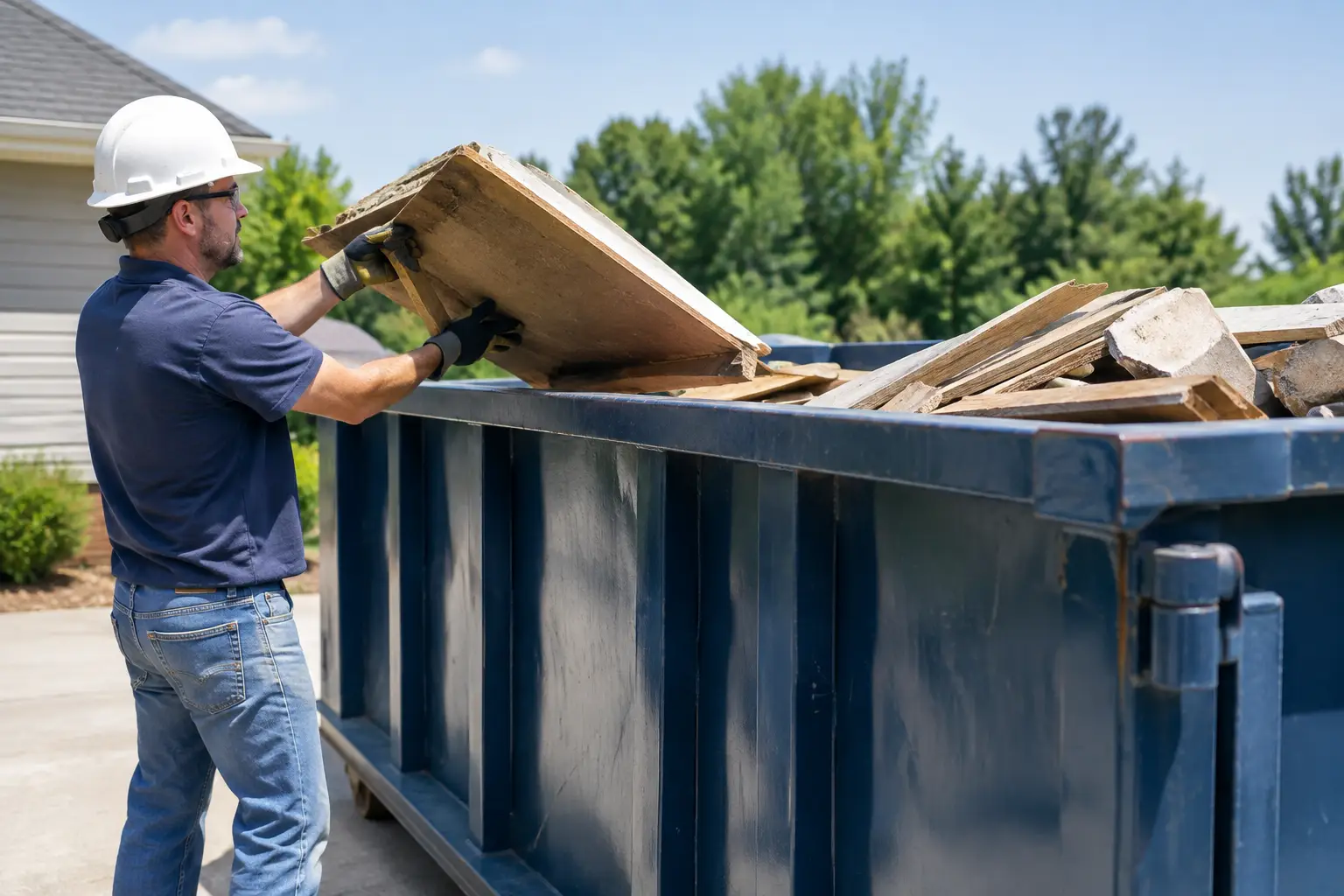
A dumpster can make a renovation, cleanout, or demolition job move much faster - until it is loaded unevenly, filled above the rim, or blocked when pickup day arrives. The phrase "load dumpster safely" may sound simple, but a few smart decisions protect the people doing the work, your property, and the schedule you are trying to keep.
Whether you are clearing out a basement in Newmarket, replacing a deck, or managing debris from a larger job site, safe loading starts before the first item goes into the bin. It comes down to choosing the right container, placing it properly, sorting materials, and loading with the pickup truck in mind.
Start With the Right Bin and Material Type
A bin that is too small leads to overfilling. One that is much larger than the job can make it tempting to toss in materials that need separate disposal. Before delivery, think about the kind of debris you have and how much space it will take once it is broken down.
Small 5-yard bins are often a practical fit for room cleanouts, yard debris, and focused DIY projects. Larger bins can handle renovation waste, bulky furniture, framing lumber, and demolition debris. The right size depends on the material, not only the square footage of the room.
Material type matters just as much. General household and renovation waste may be suitable for a mixed-material bin, while clean fill, concrete, asphalt, and other heavy materials often require a dedicated container. Heavy debris can reach weight limits quickly, even when the bin looks only partly full. Mixing restricted or unsuitable items into a load can also create delays and additional disposal charges.
If you are unsure whether something belongs in the bin, ask before loading it. This is especially useful for paint, chemicals, batteries, electronics, propane tanks, tires, hazardous materials, and appliances with refrigerants. Keeping those items out of the bin is safer for everyone and helps avoid problems at the disposal facility.
Place the Bin Where Loading Is Safe
A good loading plan starts with access. The bin should sit on firm, level ground where workers can approach it without carrying debris across a busy street, steep slope, or slippery path. Leave room around the container for doors to open and for people to move safely while carrying materials.
Avoid placing the bin beneath low branches, utility lines, or overhead structures. The delivery and pickup truck needs clear vertical space, as well as enough room to maneuver. On pickup day, do not park vehicles directly in front of the bin or leave stacks of materials around it.
Driveway protection is worth considering before the bin arrives. Plywood or protective boards can help distribute pressure on certain surfaces, although the best setup depends on the driveway condition and container size. Forever Green Bin Rental includes driveway protection with every rental, giving homeowners one less detail to manage during a busy cleanup.
How to Load a Dumpster Safely From the Bottom Up
The safest, most efficient loads are built in layers. Start with flat, heavy, or dense materials on the bottom. Drywall, lumber, flattened cardboard, broken-down furniture pieces, and bagged debris should be placed in a way that creates a stable base rather than a pile in the center.
Spread weight across the length and width of the bin. A load concentrated on one side can shift during transport, create unsafe footing for workers, and make the bin harder to haul properly. This is especially important with soil, concrete, bricks, shingles, or wet materials.
Place long items lengthwise when possible. Break down cabinets, shelving, bed frames, boxes, and other bulky items before loading them. A few minutes with basic tools can free up significant space and reduce the chance of loose pieces sticking out of the container.
As the load rises, fill open pockets with smaller debris. Bag loose materials that could blow around, such as insulation, packaging, light scrap, or small pieces of renovation waste. Do not climb into the bin to stomp debris down. The sides are high, surfaces may be unstable, and nails, glass, or sharp edges are common in cleanup loads.
For most projects, load from ground level or use the bin door if it is available and safe to operate. Keep hands and feet clear of the door swing area, and make sure children and pets stay away while it is open. If a heavy item requires lifting equipment or several people, plan that move before anyone starts carrying it.
Keep Every Item Below the Fill Line
The top edge of the bin is not extra storage space. Debris that extends above the rim can fall out during transport, catch on obstacles, or prevent the driver from safely securing the load. Pickup may need to be delayed until the bin is brought back to a safe level.
Keep all materials below the top rail, including lumber ends, branches, carpet rolls, and light debris that may shift upward. If your project creates more waste than expected, it is usually safer and more cost-effective to arrange another bin or a swap than to overfill the one on site.
Do not try to solve an overfilled bin by placing boards, tarps, or straps across the top yourself. Hauling requirements vary by load and material, and the driver needs a container that can be transported safely. A level load is the goal.
Use Safe Lifting Habits for Heavy Debris
Most dumpster injuries happen before the debris reaches the bin. Renovation waste is awkward, sharp, and often heavier than it looks. Wear work gloves, sturdy closed-toe footwear, and eye protection when breaking down materials or handling demolition debris.
Lift close to the item, bend at the knees, and keep your back from twisting as you stand. Carry heavy pieces with a clear path in front of you. If you cannot see where you are stepping, the item is too large to move alone.
For concrete, soil, roofing bundles, or other dense materials, use a wheelbarrow, dolly, shovel, or small loads. It takes longer than throwing everything in at once, but it prevents strain injuries and helps distribute weight evenly. Contractors should set a clear rule for the crew: no one-person lifts for items that obviously need two people or equipment.
Sharp materials need extra attention. Put nails, screws, broken glass, and small metal pieces into durable containers or heavy-duty bags before they go in the bin. Bundle loose metal or cut lumber with exposed nails where possible. Never toss sharp debris blindly over the side.
Watch the Weather and the Work Area
Rain, ice, mud, and wind change the way a cleanup site works. Wet wood, drywall, and household contents become heavier. Muddy access routes make wheelbarrows harder to control, while icy driveways and wet leaves create slip hazards around the bin.
During windy conditions, keep lightweight materials bagged or covered until they can be loaded. Pick up any loose debris around the container before it becomes a neighbor's problem or blows into the street. At the end of each workday, clear the immediate loading area so the next day begins with a safe path.
It also helps to keep the bin area organized. Separate materials waiting to be loaded from tools, extension cords, ladders, and equipment. A clean work zone means fewer trips, fewer tripping hazards, and less time searching for what you need.
Prepare for Pickup Before the Driver Arrives
The day before pickup, take a quick walk around the bin. Check that debris is below the rim, the doors are closed and secured, and nothing is leaning against the outside. Remove vehicles, trailers, equipment, and loose materials that could block truck access.
If the project changed and the bin now contains a different material than originally planned, communicate that before pickup. The right waste stream helps keep disposal straightforward and prevents surprises after the job is done.
A properly loaded bin is more than a cleaner job site. It lets your cleanup move forward without unnecessary injuries, delays, or damage. Build the load carefully, keep it level, and leave clear access for pickup - then your dumpster can do exactly what it was rented to do: take the mess off your hands.