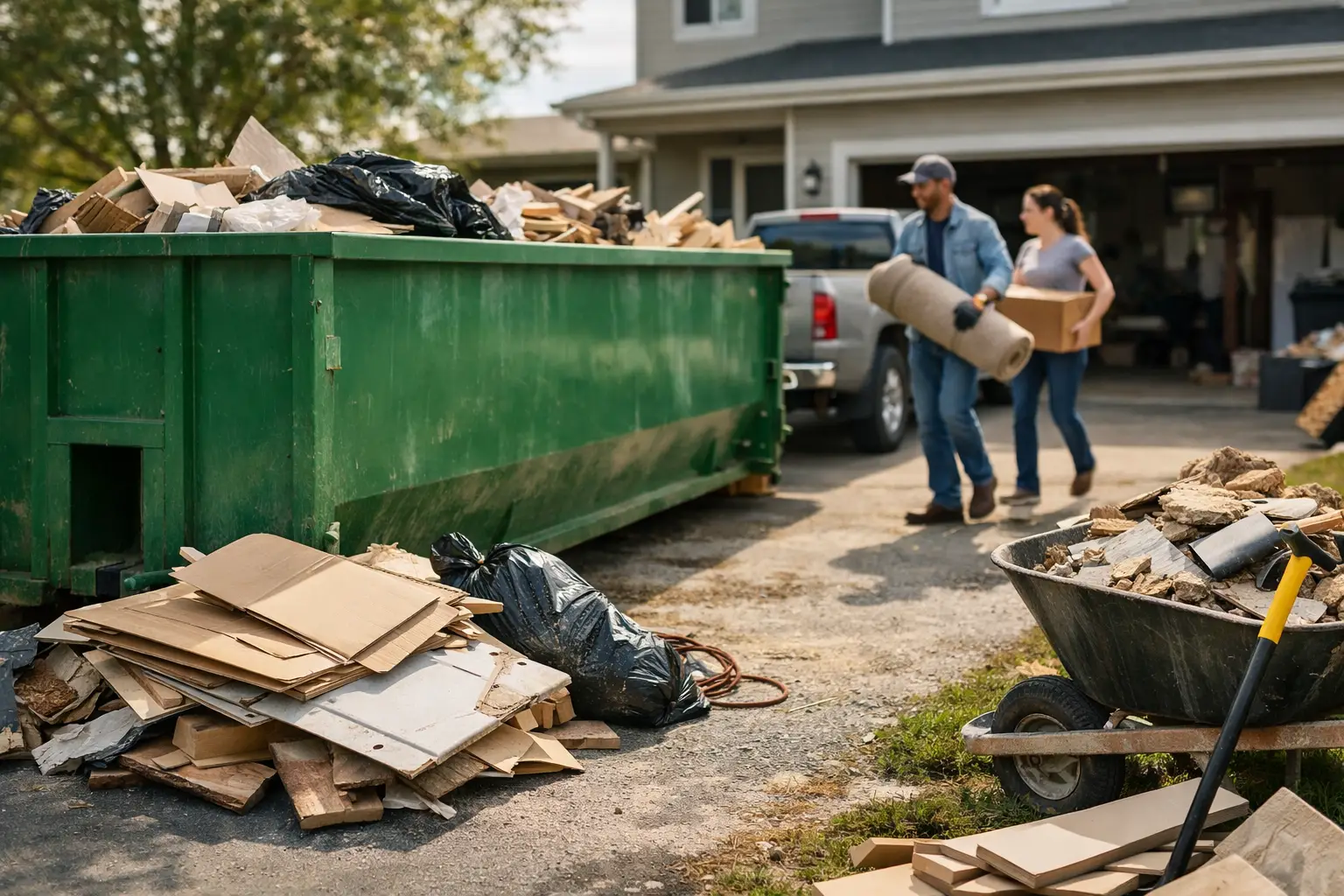
A garage packed with old furniture, a basement full of renovation debris, or a yard project that got bigger than expected can turn into a disposal problem fast. Garbage bin rental gives you one place to load the mess as you work, without filling your vehicle or spending a weekend making landfill runs.
For homeowners, renovators, and contractors, the right bin is less about getting the largest container available and more about matching the bin to the material, access, and pace of the job. A little planning upfront keeps your cleanup moving and helps avoid unexpected disposal issues later.
When a Garbage Bin Rental Makes Sense
A rental bin is a practical choice when debris is too bulky, heavy, or plentiful for curbside pickup. It is especially useful when cleanup is happening over several days and you need to keep the work area clear. Instead of piling materials in the driveway, lawn, or garage, you can load them directly into the bin.
Home cleanouts are a common reason to rent. Old mattresses, worn-out furniture, boxes, household junk, carpet, and broken shelving can take up far more space than most people expect. A 5-yard bin is often enough for a small room cleanout or a focused DIY project, while larger cleanouts may call for more capacity.
Renovations create a different kind of waste stream. Drywall, lumber, cabinets, flooring, insulation, and packaging accumulate quickly, particularly during demolition. Contractors also benefit from having a bin on site because it keeps debris from slowing down the crew or cluttering a customer’s property.
Landscaping and exterior work may require a bin as well. Soil, sod, branches, concrete, and asphalt should not automatically go into a general garbage bin. These materials are heavy, and many need to be handled through a separate disposal stream.
Choose the Right Garbage Bin Rental Size
The best bin size depends on volume, weight, and how efficiently materials can be loaded. People often underestimate volume when they are looking at a single room or a small pile. Once cabinets are removed, drywall is broken down, or loose debris is bagged, the pile usually grows.
A 5-yard bin can be a smart fit for a bathroom update, a room cleanout, small landscaping work, or a limited amount of renovation debris. It is compact enough for projects with tighter space while still saving multiple trips to a transfer station.
A mid-size bin works well for larger basement cleanouts, flooring removal, kitchen renovations, and multi-room projects. If you are replacing cabinetry, tearing out carpet throughout a home, or clearing a rental unit between tenants, it is often worth sizing up rather than trying to compress too much into a small container.
A 20- or 25-yard bin is generally suited to major renovations, construction debris, demolition work, and substantial property cleanups. These bins provide the room needed for bulky materials, but bigger is not always better. Heavy materials such as concrete, asphalt, dirt, and clean fill can make a large bin overweight long before it looks full.
When you are unsure, think about what will go in the bin, not only the square footage of the project. A kitchen demolition produces dense materials. A garage cleanout may produce bulkier but lighter items. Giving the rental company a clear description of the job is the fastest way to receive a useful recommendation.
Match the Bin to the Material
Waste sorting matters because different materials have different disposal requirements and weight limits. Loading everything into one container may seem convenient, but it can create extra charges, rejected loads, or delays at the disposal facility.
General waste bins are appropriate for many common cleanup materials, including household junk, wood, drywall, carpet, furniture, and non-hazardous renovation debris. Mixed material bins can be useful when a project creates several approved waste types that cannot reasonably be separated on site.
Clean fill bins are intended for materials such as soil, clay, sod, and similar uncontaminated earth materials. Concrete and asphalt bins are for heavy hardscape debris. Keeping these loads clean is important. A few pieces of garbage mixed into concrete or fill can change how the entire load must be processed.
Before loading, set aside anything that may require special handling. Paint, chemicals, propane tanks, batteries, fuel, solvents, electronics, and other hazardous materials are usually not suitable for a standard rental bin. Appliances, tires, and mattresses can also have separate rules or fees depending on the disposal facility. If an item is questionable, ask before it goes in the bin.
Plan Delivery Around Access and Timing
A bin only helps if it is placed where your crew can use it safely. Most homeowners choose the driveway because it is accessible and keeps the bin close to the work area. Make sure cars, trailers, and equipment are moved before delivery. Overhead wires, low branches, narrow gates, and tight turns should also be considered.
Driveway protection is not a minor detail. A loaded bin can put significant weight on the surface beneath it, particularly on newer asphalt, decorative concrete, or interlocking pavers. Forever Green Bin Rental includes driveway protection with every rental so customers can focus on the job without treating property protection as an extra add-on.
Timing matters just as much. Book delivery for the point when demolition or cleanup is ready to begin, not after debris has already piled up. For contractors, coordinating delivery before the crew arrives can prevent lost labor time. For homeowners, having the bin delivered before a weekend project makes it easier to work at a steady pace.
If your schedule changes, communicate early. Local service is valuable because a responsive provider can often help you adjust pickup or delivery plans when the project runs longer or finishes ahead of schedule.
Load the Bin Safely and Efficiently
Start with flat, heavy materials on the bottom. Drywall, wood, broken-down boxes, and flooring can be layered to reduce empty space. Break down furniture when practical, and place bulky items along the sides rather than dropping them in the center where they create awkward gaps.
Keep the load level with the top edge of the bin. Overfilled bins can be unsafe to transport and may need to be unloaded before pickup. Avoid stacking materials above the rim, even if the load looks secure from the ground.
For dense materials, load with weight in mind. Concrete, asphalt, soil, and brick can add up quickly. A smaller dedicated heavy-material bin is often more practical than a large bin loaded beyond its allowable weight. This is one of the main cases where choosing a bigger container can cost more rather than save money.
Keep a clear path from the project area to the bin. Loose nails, broken glass, and sharp metal should be contained where possible. If you are working on a shared property or an active job site, designate one person to monitor what goes into the bin so prohibited materials do not slip into the load.
Get a Clear Quote Before You Book
A straightforward quote should reflect the bin size, rental period, material type, delivery area, and included weight allowance. The lowest advertised price is not always the lowest final cost if it does not account for disposal type, overages, or restricted materials.
Be specific when requesting a quote. Mention whether the job is a cleanout, renovation, demolition, landscaping project, or commercial work. Describe the materials you expect to dispose of and flag any heavy items. This helps ensure you receive the right garbage bin rental option from the beginning.
It also helps to ask how long you can keep the bin and what to do if you need an extension. Cleanup projects do not always follow the original plan. Weather delays, permit timing, extra demolition, or a contractor schedule change can all affect pickup needs.
A good bin rental should take pressure off the project, not add another layer of coordination. Choose the container that fits the material, leave enough room for safe placement, and load with care. Then your cleanup can stay focused on the work that matters: getting the property ready for what comes next.