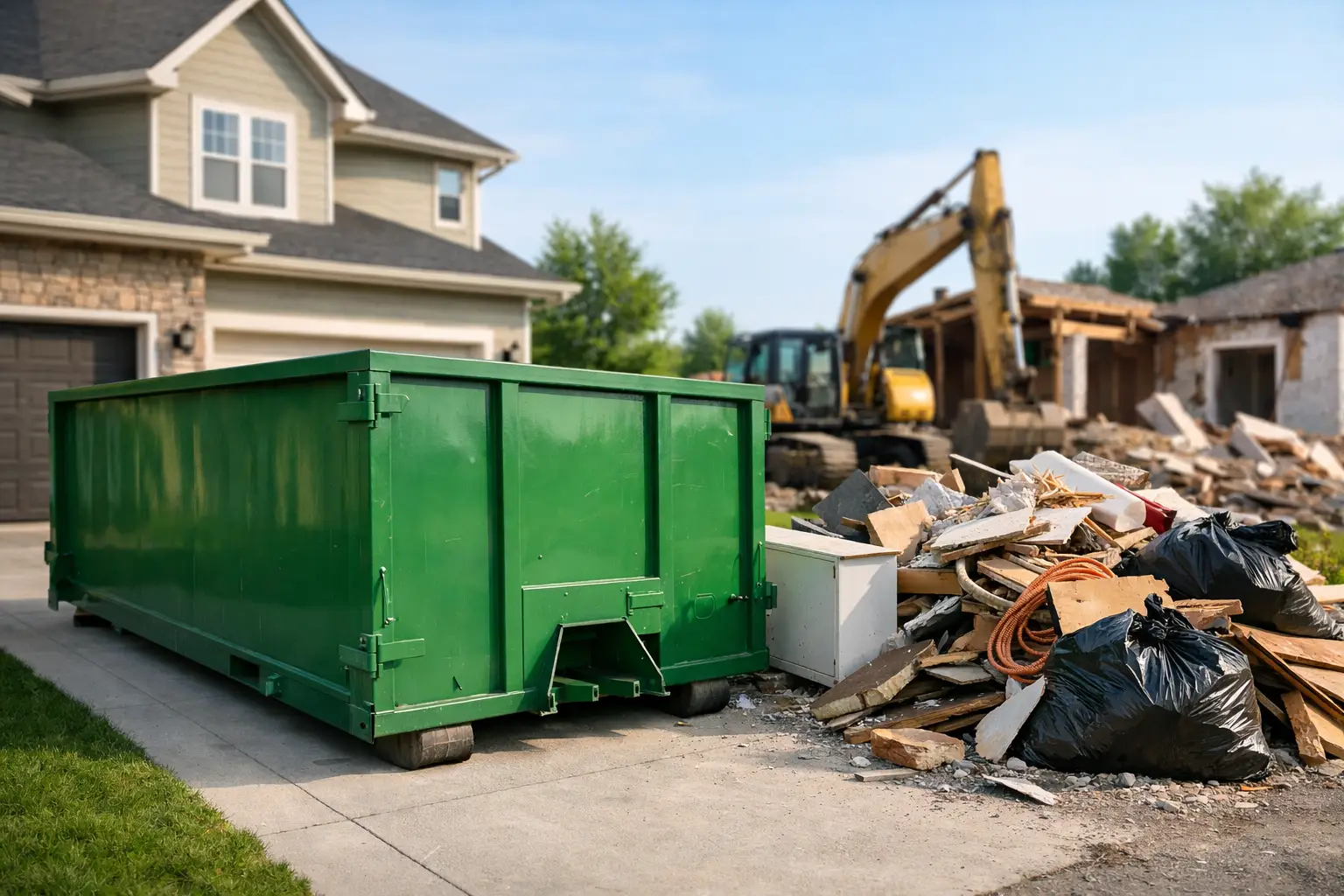
A garage cleanout can fill a pickup truck faster than expected. A kitchen renovation can create piles of drywall, cabinets, flooring, and packaging before the first week is over. With dumpster bin rental Aurora homeowners and contractors can keep that debris in one place, avoid repeated landfill runs, and focus on the work that actually needs their attention.
The right bin is not simply the biggest one available. It needs to suit the material, the amount of debris, the space available for delivery, and the pace of the project. A little planning before booking helps prevent overfilled bins, unnecessary costs, and delays at pickup.
Start With the Type of Cleanup
The best place to begin is with what is coming out of the property. General household junk, renovation debris, clean soil, broken concrete, and asphalt may look like one big pile during a cleanup, but they often need different disposal handling. Separating materials early is usually easier and more cost-effective than sorting them after they are loaded.
For a room cleanout, basement purge, moving project, or light landscaping cleanup, a general waste bin is often the practical choice. These projects tend to involve furniture, old shelving, boxes, carpeting, household items, and mixed non-hazardous debris.
Renovation and construction jobs need a closer look. Drywall, lumber, insulation, cabinets, tile, and flooring can usually go into a mixed material or general waste bin when accepted together. Heavy materials are different. Concrete, brick, asphalt, and clean fill can add weight quickly, so a dedicated bin is often the better fit. Putting a small amount of concrete at the bottom of a large mixed-waste bin can still create a weight problem.
Before booking, set aside items that commonly require separate disposal. These can include:
- Paint, solvents, fuels, and other chemicals
- Propane tanks, batteries, and electronics
- Tires and appliances with refrigerants
- Medical waste, asbestos-containing materials, and other regulated items
If there is any uncertainty about an item, ask before it goes in the bin. That quick question can prevent a rejected load or an extra disposal charge later.
Dumpster Bin Rental Aurora: Choosing a Size
Bin size is usually described in cubic yards, which measures volume rather than weight. A 5-yard bin can be a smart option for a small bathroom tear-out, a single-room cleanout, or a compact DIY project. It provides a contained place for debris without taking up more driveway space than necessary.
For larger projects, the difference between sizes matters. A 10-yard or 14-yard bin may suit a basement renovation, deck removal, or several rooms of household clutter. A 20-yard or 25-yard bin is better suited to major remodeling, roofing-related debris where accepted, demolition work, estate cleanouts, or ongoing construction waste.
The temptation is to book small and save money upfront. That works when the scope is truly limited. But if the project is likely to expand, a second bin delivery and pickup can cost more time than choosing a slightly larger container from the start. On the other hand, oversized bins are not always the answer. Heavy debris has weight limits, and a larger bin does not mean it should be filled with concrete or soil.
A useful rule is to estimate by the largest items first. Old cabinets, couches, mattresses, and long pieces of lumber create empty pockets in a bin. If those bulky items are part of the load, allow extra room. Break down boxes, stack flat materials, and load heavier items evenly across the bottom to make better use of the space.
Plan the Delivery Spot Before the Bin Arrives
A bin rental should make a cleanup easier, not turn the driveway into another project. Choose a flat, accessible location that gives the delivery truck enough room to back in, set the container down, and leave safely. Driveways are usually the most convenient placement, especially for homeowner projects, but curbside placement may involve local requirements.
Move vehicles, trailers, basketball nets, and other obstacles before delivery. Look up as well as around. Low branches, utility lines, and tight gates can affect where a roll-off bin can be placed. Contractors should also consider how close the bin is to the work area. A bin placed too far from a demolition zone leads to more carrying, slower crews, and more mess across the property.
Driveway protection should be part of the conversation, particularly on newer asphalt, decorative concrete, or interlocking surfaces. Forever Green Bin Rental includes driveway protection with every rental, so customers can manage debris without treating their property as an afterthought. It is a practical detail that matters when a heavy container is being delivered to a home or job site.
Load for Safety and an Easier Pickup
A bin is most useful when it stays organized through the project. Start with dense, flat, or heavy material on the bottom. Then add lighter material and bulky items while keeping the load distributed. Do not pile debris above the top edge of the container. The truck needs to tarp and transport the bin safely, and overfilled loads can require material to be removed before pickup.
Keep walkways clear around the bin. This is especially helpful on active renovation sites, where nails, broken tile, and loose debris can become a hazard. If several trades are working at once, make it clear which materials belong in the bin and which need to be kept separate. One load of clean fill can lose its value if it gets mixed with wood, plastic, or general garbage.
Timing matters, too. Booking delivery before demolition starts keeps debris from accumulating in the garage, on the lawn, or in a work area. For projects with changing schedules, communicate pickup needs as soon as possible. A local bin provider can be more responsive when it has a clear picture of the project timeline.
Know What Affects the Final Cost
A straightforward quote should account for bin size, rental period, material type, delivery location, and disposal weight or limits. The lowest advertised number is not always the lowest final cost if it leaves out important details. Ask what material is accepted, what happens if the weight allowance is exceeded, and whether driveway protection or delivery charges are included.
Material separation can make a meaningful difference. Clean concrete, asphalt, and soil may be handled differently from mixed renovation debris. Keeping them separate can support proper disposal and may help avoid paying mixed-waste rates for a load that could have been processed more efficiently.
The rental period should also match the job. A weekend cleanout has different needs than a month-long renovation. It is better to book with a realistic timeline than rush to load a bin before pickup or leave it sitting longer than needed. If weather, inspections, or subcontractor schedules could affect the work, build in a little room where possible.
A Better Fit for Aurora Cleanup Projects
Aurora properties range from established homes with tight driveways to larger renovation sites that generate a steady stream of debris. That is why one-size-fits-all waste service rarely works well. A homeowner clearing out a basement needs a different setup than a contractor removing a kitchen, replacing a deck, or managing a commercial refresh.
The most reliable approach is to describe the job clearly when requesting a quote: the materials involved, the approximate amount, the preferred delivery area, and the expected timeline. That information makes it easier to recommend a bin that fits the project instead of guessing based on a photo or a vague estimate.
When the bin matches the material and arrives when the work begins, cleanup stops being the part of the project everyone puts off. It becomes a simple routine: load safely, keep materials sorted, and leave room for the work ahead.