
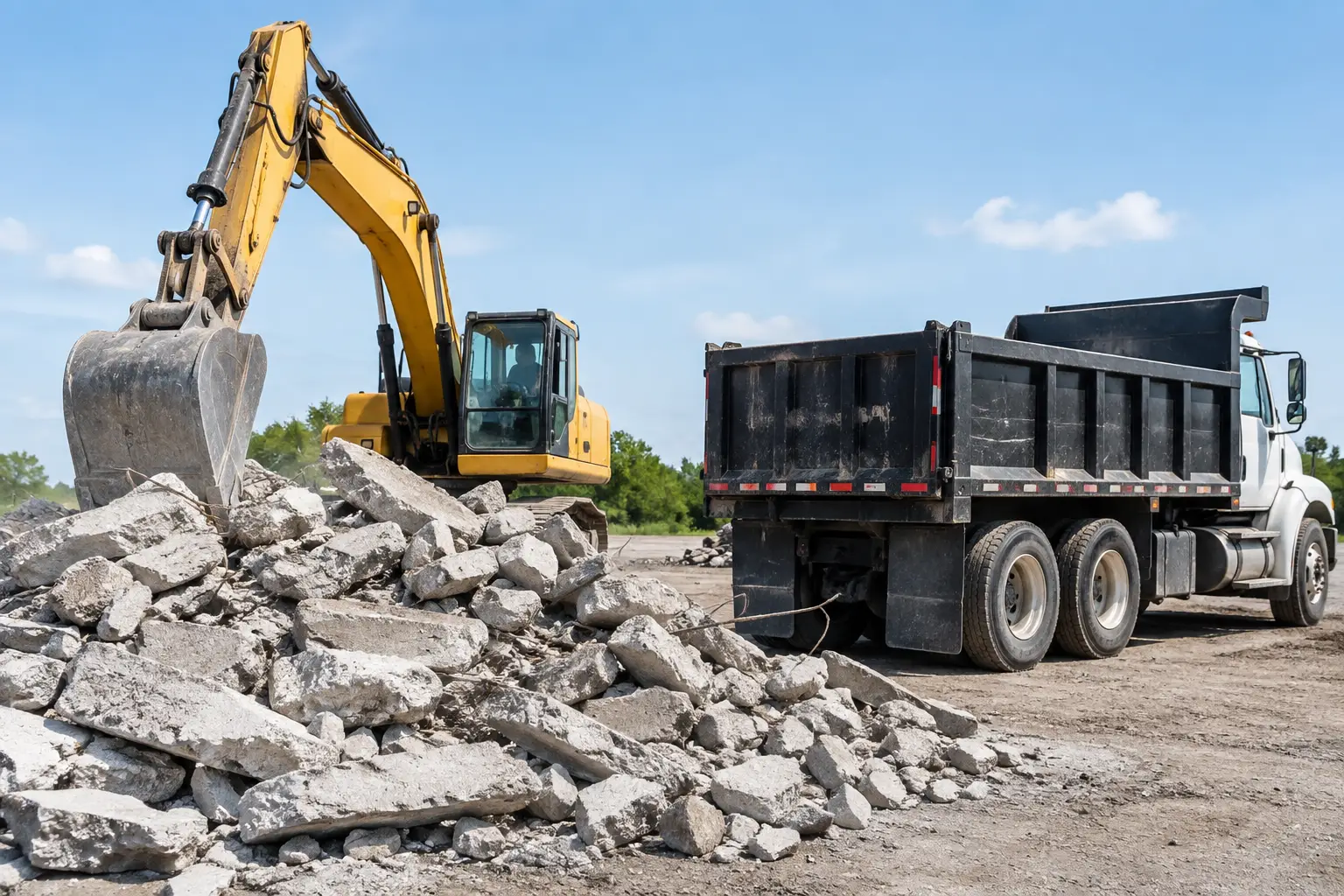
A broken concrete patio can look manageable until it is piled beside the driveway. Then the weight, sharp edges, and limited vehicle space turn a weekend project into a disposal problem. The right Aurora concrete disposal options let homeowners and contractors clear heavy material without repeated landfill runs or mixing it with waste that belongs in another stream.
Concrete is one of the most recyclable materials from a renovation or demolition project, but only when it is kept reasonably clean. That changes how you plan removal. Before loading a bin, separate the concrete from household junk, wood, insulation, and other renovation debris. A little sorting at the start can prevent extra handling, rejected loads, and avoidable disposal costs later.
Aurora Concrete Disposal Options That Fit the Job
For most projects, a dedicated concrete or clean-fill bin is the practical choice. It is delivered to the property, loaded at your pace, and picked up when the work is done. This works especially well for driveway tear-outs, old walkways, patio slabs, garage floors, landscape curbs, and small demolition jobs.
The key is choosing a container that matches both the material and the amount. Concrete is dense. A bin that looks only partly full can already be near its safe hauling limit. That is why concrete bins are often smaller than general waste bins used for furniture, drywall, or light construction debris.
If your project produces only a few manageable pieces, hauling them yourself may be an option. It can make sense when you already have a suitable truck or trailer, know where the material will be accepted, and have time for the trip. For a full patio or driveway section, however, the loading, transportation, and multiple trips can quickly outweigh the savings.
A mixed debris bin can work when concrete is only one small part of a broader renovation cleanup. It is not always the best value for heavy material, though. Mixed loads require more sorting and can cost more to process. When most of the debris is concrete, booking the correct material-specific bin is usually the cleaner, more economical route.
Choose the bin based on weight, not just volume
A common mistake is estimating concrete the way you would estimate household waste. A pile of broken slab may take up little space, but it weighs far more than the same volume of lumber or cardboard. Thickness matters too. Four-inch sidewalk slabs, six-inch driveway concrete, and reinforced garage pads do not produce the same weight per square foot.
Measure the length and width of the area being removed, then note the slab thickness. If the concrete will be broken into pieces before loading, expect the pile to spread out more than the original slab footprint. Share those details when requesting a quote. A local bin provider can help match the container to the job rather than sending a bin that is too large to haul safely once loaded.
Do not load concrete above the top edge of the bin. Overfilled containers can create transportation issues and may need to be unloaded before pickup. Keeping heavy material level also makes the site safer for everyone working around the bin.
What Can Go in a Concrete Bin?
Clean concrete is generally the simplest load to manage. That includes broken driveway slabs, sidewalks, patio concrete, curbs, concrete steps, and similar masonry material. Small amounts of attached wire mesh or rebar may be acceptable in some cases, but this depends on the recycling facility and the condition of the material.
Before booking, explain what you are removing. A clean load is different from a demolition pile that includes lumber, plastic sheeting, soil, brick, and old landscaping fabric. Being specific upfront helps avoid surprises at pickup.
In many cases, concrete loads should not include:
- Household garbage, furniture, or bagged trash
- Wood, drywall, insulation, or shingles
- Paint, chemicals, fuel containers, or other hazardous materials
- Large amounts of soil, sod, roots, or organic yard waste
- Excess asphalt unless the bin is intended for concrete and asphalt
Brick and block may be accepted with concrete depending on the disposal stream, but it is better to confirm than assume. The same goes for reinforced concrete, ceramic tile, natural stone, and asphalt. These materials may look similar during demolition, yet the facility handling the load may have different requirements for each one.
Keep asphalt separate when possible
Asphalt is common on older driveways and parking areas, especially where repairs were made over several years. It can often be recycled, but it should not automatically be treated as the same material as concrete. If your project involves both, ask whether they can be placed in the same bin or whether separate disposal is required.
This is one reason a quick project conversation matters. A few photos, rough measurements, and a clear description of the material can prevent a bin from arriving that does not suit the load.
Plan the Bin Location Before Demolition Starts
Where the bin sits affects how efficiently you can work. Place it as close as practical to the demolition area while keeping enough room to operate safely. Every extra wheelbarrow trip adds time, especially when hauling dense chunks of concrete.
At the same time, consider access for the delivery truck. The driver needs a clear approach, overhead clearance, and enough space to place and retrieve the container. Move vehicles, trailers, and portable equipment before the scheduled delivery window. If the bin needs to sit on the street, check whether local parking or permit rules apply to your specific location.
Driveway protection is also worth asking about. Concrete disposal is hard enough on a property without worrying about unnecessary marks from a heavy container. Forever Green Bin Rental includes driveway protection with every rental, which gives homeowners a more practical setup for cleanup work at home.
Make Loading Safer and Faster
Concrete removal is physical work, and rushing it leads to injuries or damaged property. Break slabs into pieces that can be lifted and controlled safely. Use the right equipment for the job, whether that means a demolition hammer, skid steer, wheelbarrow, or a crew with lifting tools.
Load the bin evenly from front to back. Start with larger, flatter pieces at the bottom and fill gaps with smaller pieces. Avoid dropping heavy chunks from a height, which can damage the bin or cause pieces to bounce back toward workers. If the material includes long rebar, do not leave it sticking above the container edge.
For larger demolition jobs, it may be more efficient to load with equipment rather than by hand. That decision depends on site access, slab thickness, and how much material needs to move. A tight backyard patio may call for wheelbarrows, while a full driveway replacement may justify machinery and a larger crew.
When a Concrete Bin Is Better Than Self-Hauling
Self-hauling can appear cheaper on paper, but the full cost includes more than the facility fee. Consider fuel, trailer capacity, loading time, cleanup, vehicle wear, and the number of trips required. There is also the risk of overloading a pickup or trailer with material that becomes dangerously heavy very quickly.
A dedicated bin is usually the better choice when the project involves more than a small patch repair, when you do not have proper hauling equipment, or when your crew needs to stay focused on the renovation itself. Contractors also benefit from scheduled pickup because debris does not sit on-site blocking access or slowing the next phase of work.
Timing matters. Book delivery before demolition begins, especially for projects tied to contractor schedules, concrete pours, landscaping work, or property turnover dates. If the work may take several days, plan where the bin will remain without interfering with deliveries, parking, or neighbors.
Get the Details Right Before You Book
A straightforward quote starts with four details: the type of material, approximate amount, desired bin location, and rental timeline. Mention whether the concrete is clean, reinforced, mixed with brick, attached to soil, or combined with asphalt. These details help ensure the bin and disposal method match the actual project.
If you are unsure whether a material belongs in the concrete bin, ask before loading it. That one step protects your budget and keeps recyclable concrete out of the wrong waste stream.
A clean, properly sized bin turns concrete removal from a pile of heavy rubble into a scheduled part of the job. Once the material is separated and the pickup is arranged, you can put your attention back where it belongs: finishing the project and enjoying the space you cleared.