
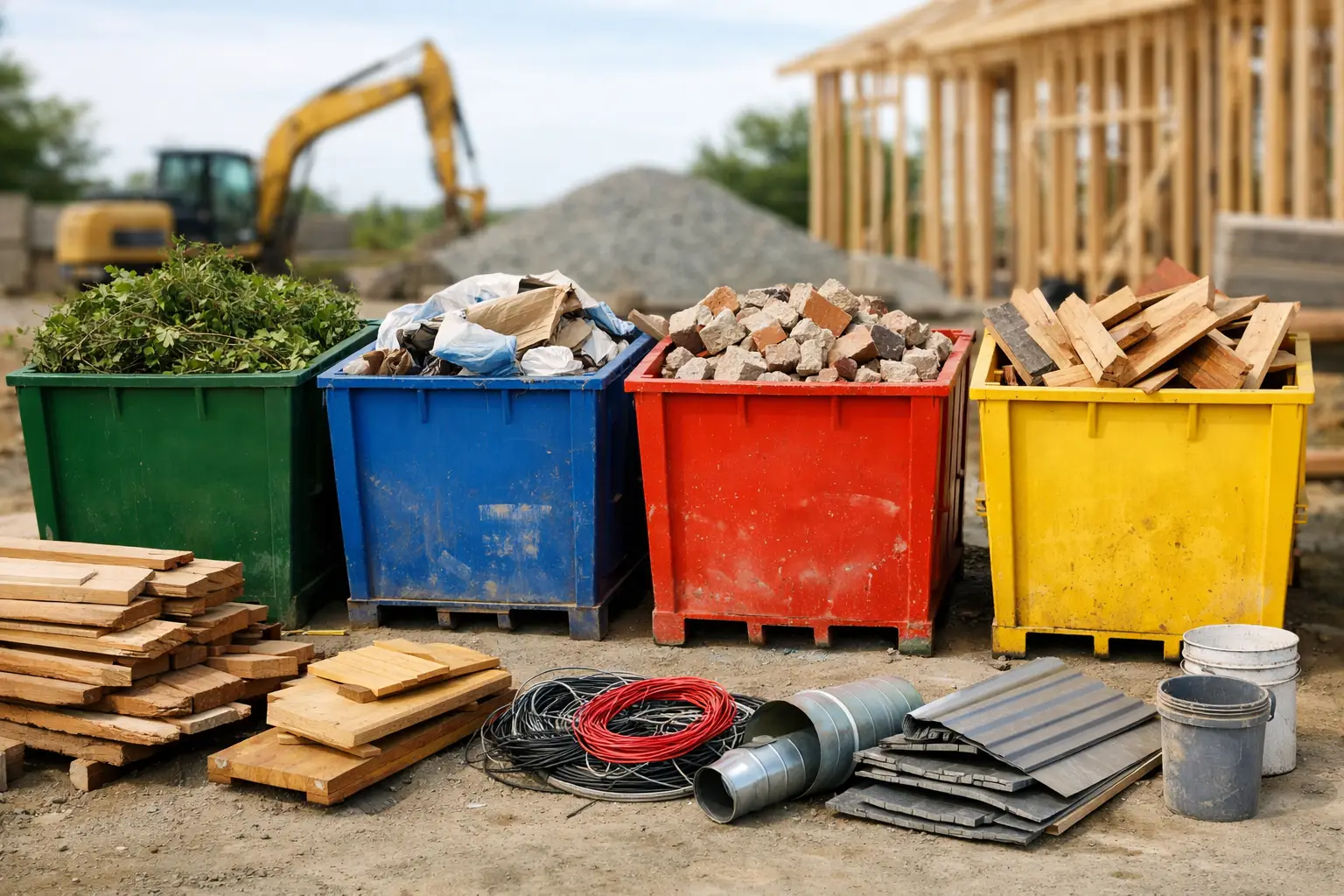
A renovation can look like one big pile of debris at the end of the day, but disposal sites do not see it that way. Broken concrete, soil, lumber, old drywall, packaging, and household junk often follow different handling rules and carry different disposal costs. Knowing which materials require separate bins before delivery helps you avoid a rejected load, added sorting fees, or a pickup delay when your project is ready to move forward.
For most home cleanouts and renovation jobs, a mixed material bin is the practical answer. But dense materials such as concrete, asphalt, and clean fill usually need their own container. Items that are hazardous or restricted should never be placed in a rental bin at all. The right setup depends on what you are removing, how much of it there is, and whether the material can be processed cleanly after pickup.
Why separating materials matters
Separate bins are not just a landfill preference. They make recycling and recovery possible. Clean concrete can be crushed and reused as aggregate. Clean soil may be reused or processed. When those materials are mixed with wood, garbage, insulation, or plastic, that recovery option can disappear.
Weight is another major reason. Concrete, soil, brick, and asphalt are much heavier than typical household or construction debris. A bin that is appropriate for a kitchen tear-out can become overweight quickly if it is filled with concrete slabs. Using a designated heavy-material bin helps keep hauling safe, legal, and predictable.
There is also the cost factor. Disposal facilities charge based on material type, contamination, and weight. A load that was quoted as clean fill but arrives with lumber, garbage, or drywall may be reclassified as mixed waste. That can change the disposal cost. Sorting at the job site is usually faster and less expensive than sorting a full container later.
Which materials require separate bins?
The exact rules can vary by disposal facility and by the condition of the material, but a few categories almost always deserve separate planning.
Clean fill: soil, dirt, sand, and similar material
Clean fill typically includes uncontaminated soil, dirt, sand, clay, and sometimes sod. It must be clean. That means no garbage, wood, plastic, roots, construction debris, painted material, or other foreign items mixed in.
A landscaping project may produce a surprisingly large amount of fill. Removing a patio, regrading a yard, digging for drainage, or excavating for a shed can create more soil than a homeowner expects. Because it is heavy and often reusable, clean fill belongs in its own bin rather than a general waste container.
Not all dirt is automatically clean fill. Soil from older properties, commercial sites, fuel-storage areas, or locations with unknown history may need additional review. If there is any concern about contamination, do not assume it can go into a clean fill bin. Describe the material clearly when requesting a quote so the correct disposal route can be arranged.
Concrete, brick, and block
Concrete is one of the most common materials that requires a separate bin. Driveway removals, broken patios, garage floors, curbs, and old walkways generate dense debris that should not be combined with household waste.
In many cases, clean concrete can include concrete, brick, block, and small amounts of rebar, depending on the receiving facility's requirements. The key word is clean. Keep lumber, soil, drywall, plastic, garbage, and insulation out of the load. If concrete is attached to a large amount of other debris, it may need to be treated as mixed waste instead.
For a small repair, it can be tempting to toss concrete into a general bin. The problem is weight. Even a few wheelbarrow loads can add up fast. A dedicated concrete bin is usually the safer choice when concrete is a meaningful part of the job.
Asphalt
Asphalt should generally be kept separate from concrete and general construction debris. Old driveway asphalt, parking-lot material, and roofing-related asphalt products are not always processed the same way. Clean asphalt from a driveway removal can often be handled as a recyclable aggregate material, while shingles and other roofing waste follow a different waste stream.
If your project includes both concrete and asphalt, ask whether they can share a bin. Some facilities accept them together, while others require separate loads. This is one of the situations where a quick question before booking can prevent a costly surprise later.
Mixed construction and renovation waste
Mixed material bins are designed for projects with several common non-hazardous materials. A bathroom remodel, basement cleanout, kitchen renovation, or interior demolition often produces a blend of wood, drywall, flooring, cabinets, trim, carpet, furniture, cardboard, and general household junk.
This is the right option when separating every board, box, and fixture would slow the project down without creating a clean, recyclable material stream. It is convenient, but it is not a catch-all bin. Heavy materials and prohibited items still need to be kept out unless they were specifically approved for that container.
A practical rule: if the load is mostly standard renovation debris with only small incidental amounts of different materials, use a mixed material bin. If one dense or recyclable material makes up most of the load, give that material its own bin.
Recyclable materials and metal
Cardboard, scrap metal, appliances, and certain plastics may be recyclable, but whether they need a separate bin depends on the volume and the local facility's acceptance rules. For a few boxes or a single appliance, it may make more sense to use a local recycling program or arrange a dedicated drop-off. For a larger commercial cleanup or demolition project, separating metal can reduce the amount of material sent as mixed waste.
Appliances require extra attention. Refrigerators, freezers, air conditioners, and dehumidifiers may contain refrigerants that must be removed properly before disposal. Do not place them in a bin unless the rental provider has confirmed they are accepted and prepared correctly.
Materials that should not go in a rental bin
Some items require specialized disposal, not a separate roll-off bin. Paint, solvents, fuel, propane cylinders, pesticides, batteries, chemicals, and other hazardous products can create fire, environmental, and safety risks. These materials should be taken to an approved household hazardous waste program or handled by a qualified service.
Electronics may also need a dedicated recycling stream. Televisions, computers, monitors, printers, and similar devices contain components that are not suitable for a standard waste bin. Tires, medical waste, and pressurized containers are other common items that should be confirmed before disposal.
If you are clearing an estate, garage, workshop, or commercial space, check shelves and cabinets before loading the bin. A single overlooked can of paint or propane tank can contaminate an otherwise acceptable load and hold up pickup.
How to choose the right bin setup
Start by looking at the material that will make up the largest portion of the load. If it is soil, concrete, or asphalt, plan for a dedicated heavy-material bin. If it is a mix of household and renovation debris, a general or mixed material bin is often the better fit.
Next, consider the order of your work. On a demolition project, it may be easier to place concrete in one area and wood or interior debris in another as you remove it. This keeps the crew from having to sort a pile twice. For tight driveways or smaller properties, one bin at a time may be more practical than placing multiple containers at once.
Bin size matters too. Bigger is not always better with heavy materials. A smaller container loaded correctly can be safer and more cost-effective than a large bin filled beyond weight limits. For homeowners and contractors in York Region and South Simcoe, Forever Green Bin Rental can help match the bin type and size to the material before delivery, with driveway protection included.
A cleaner load keeps the job moving
The best time to think about waste separation is before the first wall comes down or the first shovel hits the ground. Set aside a space for heavy debris, keep hazardous items out of the work pile, and tell your bin provider what you expect to load. A few minutes of planning gives your cleanup a clearer path from job site to proper disposal, without avoidable delays at the end of the project.