
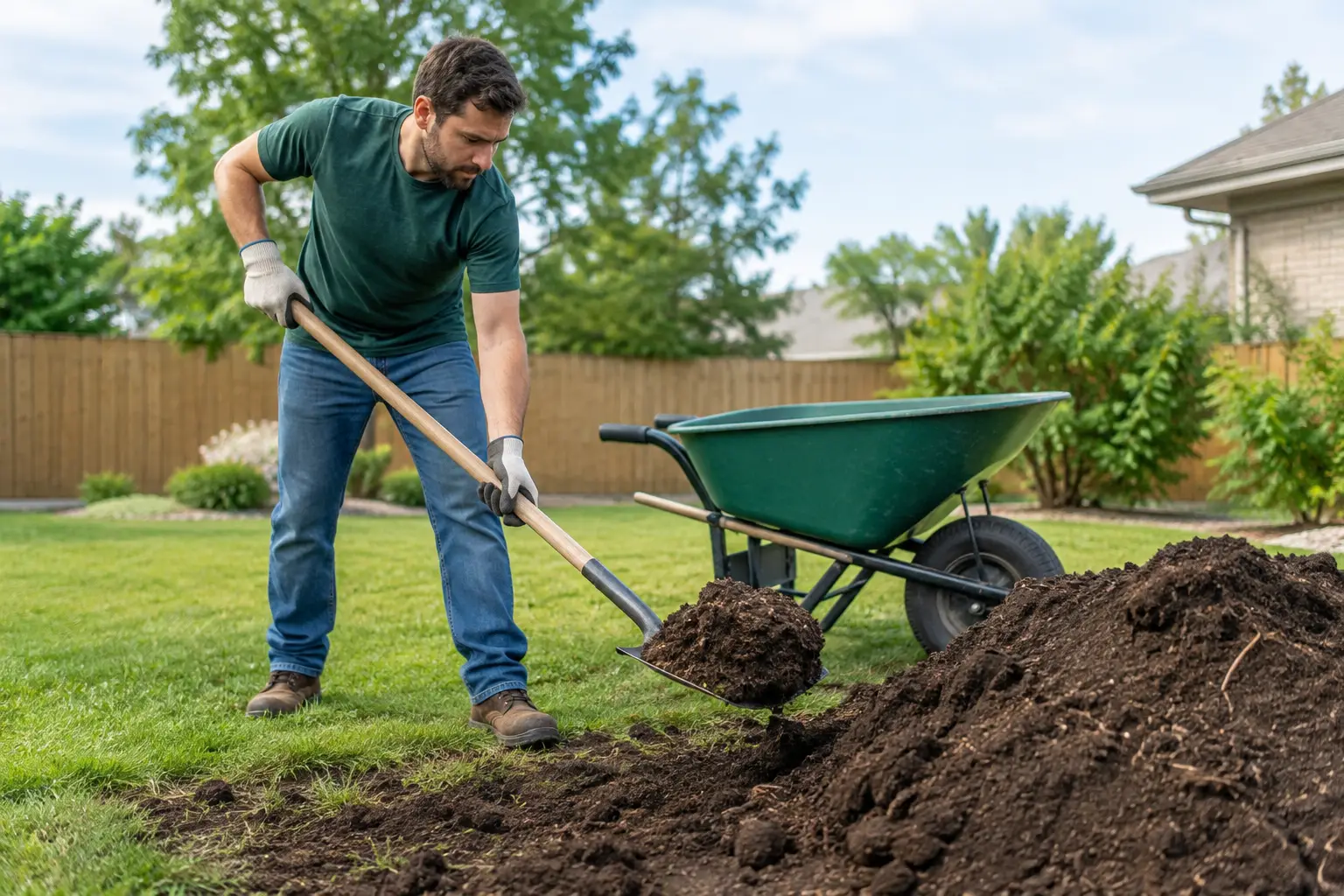
A backyard excavation can look manageable until the first pile of dirt starts spreading across the lawn. Whether you are digging for a patio, grading a wet area, removing a garden bed, or preparing for a new addition, the way you remove backyard soil safely affects your property, your schedule, and where that material can legally go.
Soil is heavy, often messy, and not always accepted as clean fill. A little planning before the digging begins helps you avoid overloaded bins, damaged driveways, utility strikes, and a pile of material with nowhere to go.
Start by Identifying What You Are Removing
Not all dirt is the same in the disposal world. Clean fill generally means natural, uncontaminated soil, clay, sand, or gravel with no garbage, construction debris, roots, wood, plastic, or other mixed materials. It may be accepted at facilities that cannot take general waste, but the rules can vary by disposal site.
Topsoil from a garden area may look clean but still contain landscaping fabric, edging, sod, roots, stones, mulch, or old pavers. Once those materials are mixed in, the load may no longer qualify as clean fill. Separating material as you work is usually faster and less expensive than sorting a large pile later.
Be more cautious if the soil comes from near an old shed, a driveway, a fence line, a burned area, or a place where fuel, paint, chemicals, or other products may have been stored. Soil with an unusual odor, oily appearance, discoloration, ash, or buried debris should not be treated as ordinary fill. Stop work and get guidance on proper testing or disposal before loading it into a bin.
Plan the Excavation Before the First Shovel
The safest soil removal jobs are organized around the digging area, the pile location, and the bin placement. Mark the area you plan to excavate, then decide where workers, wheelbarrows, equipment, and the bin will travel. Repeated trips across soft grass can leave deep ruts, especially after rain.
Before digging deeper than a shallow garden project, arrange for underground utilities to be located. Gas, electric, water, communications, and drainage lines are not always where you expect them to be. A utility locate is not a delay - it is a basic part of protecting everyone on the property.
Watch for overhead obstacles as well. Tree branches, low wires, eaves, and narrow gates can affect where a roll-off bin can be delivered and picked up. Give the rental company a clear picture of the access point, driveway width, and project scope when requesting a quote. That makes it easier to choose a bin that fits the space and the material.
Keep soil away from drains and sidewalks
Place excavated soil on a tarp or in a contained area if it will sit for more than a day or two. Loose dirt can wash into storm drains during rain, spread onto sidewalks, and create a slippery mess on the driveway. Keep the pile back from property lines and away from the street.
If rain is in the forecast, cover the pile when practical. Wet soil weighs much more than dry soil, turns into mud quickly, and is harder to load safely. It can also make a yard inaccessible for equipment.
Choose a Bin Based on Weight, Not Just Volume
A common mistake is choosing a large bin because there is a large pile of soil. Soil is dense. A bin that looks mostly empty can already be too heavy for safe hauling once it is filled with dirt, clay, concrete, or wet fill.
For backyard soil removal, a smaller clean fill bin is often the better choice. It allows the load to stay within hauling limits and makes disposal simpler when the material is truly clean. Large bins are useful for bulky, lightweight renovation debris, but they are not automatically the right answer for excavation material.
Ask about weight limits before booking. Give an honest estimate of the depth and size of the excavation, and mention whether the soil is dry, wet, rocky, mixed with sod, or combined with other debris. A reliable bin provider can help match the container to the material instead of sending a bin that creates a problem at pickup.
Do not fill a bin above the top edge. Overfilled containers can spill during transport and may not be safe to haul. If your project produces more soil than expected, arranging a second load is safer than trying to force everything into one container.
Separate Clean Fill From Mixed Debris
A clean work area saves time at the end of the job. Make separate piles for soil, sod and organic material, concrete or asphalt, and general construction waste. Even a few pieces of wood, plastic pipe, insulation, shingles, or household trash can change how a soil load must be handled.
This matters most when you are removing old landscaping. A backyard project can uncover landscape fabric, railroad ties, treated lumber, metal stakes, broken planters, gravel, and discarded materials from previous owners. Do not bury or blend those items into the dirt pile.
If you are removing concrete patio sections or asphalt from a driveway edge, keep those materials separate from soil whenever possible. Concrete and asphalt often require their own disposal stream, while clean fill has different handling requirements. Separation protects your budget and helps prevent delays when the bin is collected.
Protect Your Driveway and Yard During Bin Delivery
A roll-off bin is a practical way to handle soil removal, but delivery should be planned with your driveway in mind. Choose a firm, level placement area with enough clearance for the truck. Avoid placing a bin on soft ground, steep slopes, or a spot that blocks vehicles, garage access, or emergency access.
Driveway protection should be part of the conversation, especially for newer asphalt, decorative concrete, interlock, or surfaces that may be weakened by heat or age. Boards or protective materials placed beneath the bin help distribute contact points and reduce the chance of surface damage.
Keep children, pets, and bystanders away during delivery and pickup. The truck needs room to maneuver, and the bin shifts as it is loaded and unloaded. Once the container is in place, close any walk path that would require someone to climb over loose soil or reach across the bin.
Load Soil With Control
Use the right tools for the size of the job. For small projects, a shovel and wheelbarrow may be enough. For larger excavation work, use equipment only if the operator has clear sight lines and a stable route to the bin. Never let people stand between machinery and the container.
Load evenly rather than building one tall mound at the front or back. An uneven load can be harder to tarp and transport. Break up large clumps when possible, but do not add water to make dry soil easier to move. Added water increases the total load and can turn a manageable bin into an overweight one.
Wear sturdy boots with good traction, gloves, and eye protection when handling rocky soil or debris. If you are working near a trench or deeper excavation, keep loose soil and equipment back from the edge. Soil can shift without warning, particularly after rain.
Know When Soil Needs Extra Attention
Most backyard projects involve ordinary soil, but some situations call for a pause. Stop and seek direction if you find buried tanks, drums, sharp metal, suspected asbestos-containing material, animal remains, chemical containers, or soil with a strong petroleum or chemical smell.
Older properties can also contain unexpected fill from past construction. Bricks, glass, coal ash, painted wood, and demolition debris may be buried beneath a lawn that looks perfectly normal from the surface. Do not assume it can go into a clean fill bin just because it came out of the ground.
For property managers and contractors, documenting what was found and keeping material streams separate protects the project from surprise disposal costs. For homeowners, a quick call before loading questionable material is far easier than dealing with a rejected load afterward.
Make Pickup Easy When the Job Is Done
Before scheduled pickup, check that nothing is sticking above the bin walls and that the area around the container is clear. Move vehicles, tools, wheelbarrows, and stacked materials out of the truck's path. If access conditions have changed because of mud, snow, parked cars, or a new pile of debris, communicate that early.
Take a final look at the load. If clean soil has been mixed with garbage or construction waste, say so before pickup. Straight answers allow the disposal plan to be adjusted properly and help avoid unnecessary delays.
Backyard excavation is hard work, but disposal does not have to slow the project down. With a utility locate, proper material separation, a weight-appropriate bin, and protected placement, you can keep the yard safer and the cleanup moving. For local projects that need practical guidance and driveway-conscious delivery, Forever Green Bin Rental can help you plan the load before the dirt starts piling up.