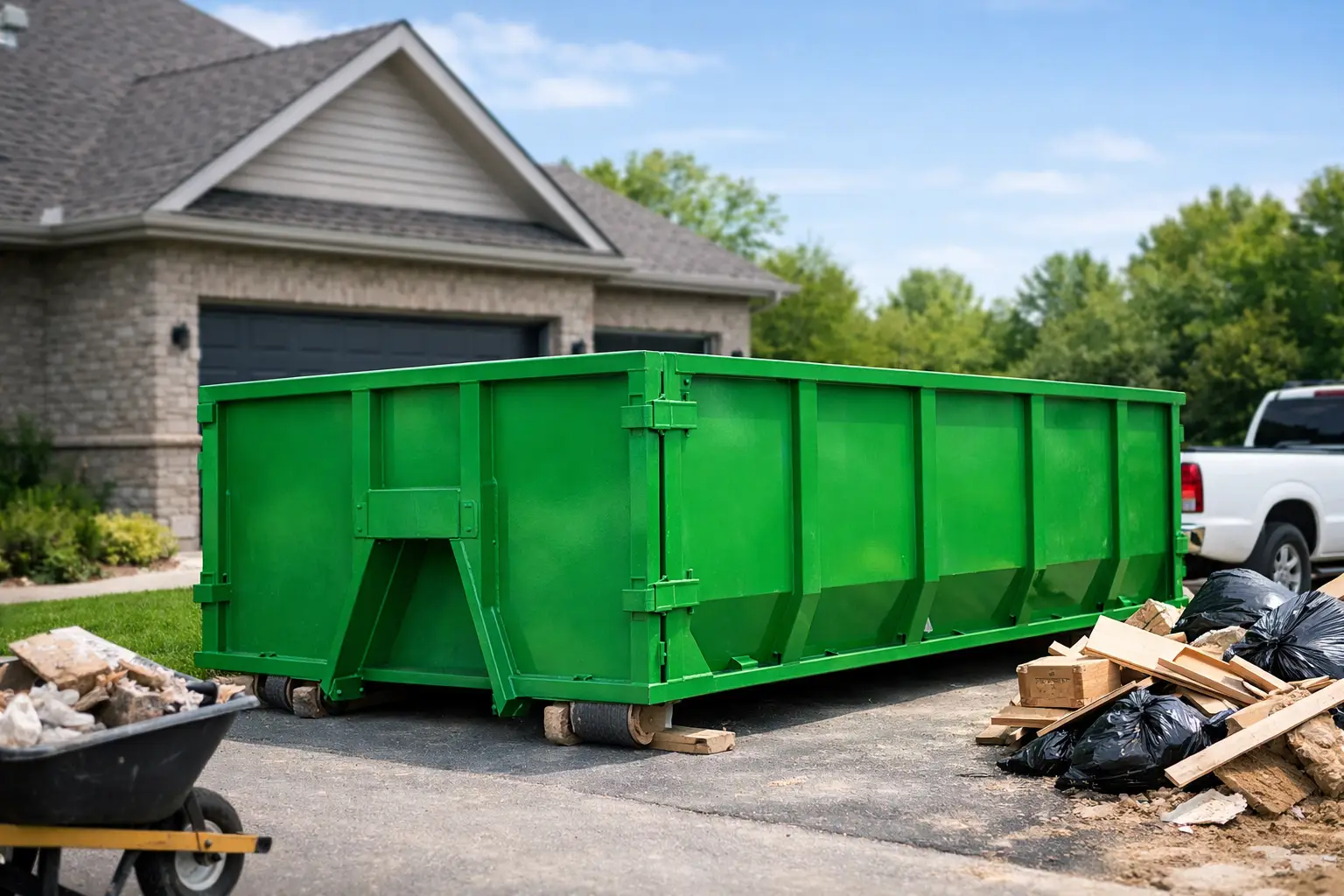
A renovation can fill a driveway faster than most people expect. Old cabinets, drywall, flooring, packaging, and demolition debris are difficult to manage with curbside pickup alone. A garbage bin rental Newmarket homeowners and contractors can rely on gives that material one place to go, so the job stays safer, cleaner, and on schedule.
The right bin is not simply the biggest one available. It needs to fit the scope of your project, the materials you are throwing out, and the space available on your property or job site. A little planning before delivery can prevent overfilling, extra handling, and delays when it is time for pickup.
Start With the Type of Cleanup
A bin for a garage cleanout is not necessarily the right choice for a concrete removal project. Before choosing a size, look at what will actually go into the container. This is the quickest way to get a useful quote and avoid mixing materials that need separate disposal.
General waste bins are a practical fit for most household cleanouts, renovations, roofing-related debris, old furniture, wood, drywall, insulation, and mixed construction waste. They are often the best option when a project creates several kinds of non-hazardous debris.
Clean fill is different. Soil, clay, sod, and other approved clean earth materials may need their own bin so they can be handled properly. Concrete and asphalt also require separate containers because these heavy materials can be recycled or processed differently from general garbage. If you are unsure whether your load qualifies as clean fill, ask before booking. A few bags of mixed debris can change the disposal route for an entire bin.
Some materials should not go into a rental bin at all. Hazardous waste, chemicals, paint, batteries, propane tanks, tires, and certain electronics commonly have separate disposal requirements. Keeping those items out of the bin protects the driver, prevents disposal issues, and helps ensure pickup goes as planned.
Choosing the Right Bin Size in Newmarket
Bin size is usually measured in cubic yards. That number can feel abstract until you picture the work involved. The goal is to choose enough capacity without paying for empty space you do not need.
Small projects: 5-yard bins
A 5-yard bin works well for focused jobs where debris builds up quickly but the total volume remains manageable. Think of a small bathroom update, a room cleanout, yard debris, a shed purge, or the leftover materials from a DIY project. It is also a sensible choice when driveway space is limited.
Small bins can still hold a surprising amount, but dense materials change the equation. Concrete, soil, shingles, and wet drywall weigh far more than loose furniture or cardboard. For heavy material, a smaller dedicated bin is often safer and more cost-effective than trying to fill a larger general waste bin.
Mid-size bins: renovation and cleanup work
For basement finishing, kitchen remodeling, flooring removal, larger cleanouts, and rental property turnover, a mid-size bin often gives homeowners and renovators the flexibility they need. These projects create bulky waste in stages. There may be demolition debris on the first day, packaging and cutoffs later, then old fixtures and final sweep-up material near the end.
A mid-size option can reduce the temptation to pile debris beside the bin. That matters because material outside the container cannot be safely hauled away with it. Keeping waste contained makes the site easier to work around and simpler to clean when the project is done.
Large projects: up to 25-yard bins
A 25-yard bin is built for major renovations, demolition work, construction debris, estate cleanouts, and commercial projects with a steady stream of waste. Contractors often benefit from the larger capacity because it keeps crews from stopping work to make landfill runs.
Bigger is not always better, though. A large bin needs enough access for delivery and pickup, and it should match the debris type. If your work involves mostly concrete, asphalt, or clean fill, weight limits may matter more than volume. Discuss the material upfront so the bin is sized for the real job, not just the visible pile.
Plan the Delivery Spot Before Booking
A bin only helps if it is placed where your crew can load it efficiently. For most residential projects, the driveway is the natural location. Choose a flat, accessible area that leaves room for vehicles, workers, and the delivery truck. Move cars, trailers, basketball nets, and other obstacles before the scheduled arrival time.
Think about the loading path, too. A bin placed close to the work area saves time and keeps people from carrying heavy debris across the property. At the same time, avoid blocking garage access if you will need to use it during the rental period.
Driveways deserve attention. Heavy bins and truck movement can put pressure on paved surfaces, especially during warm weather or when the ground is soft. Forever Green Bin Rental includes driveway protection with every rental, helping customers keep cleanup practical without overlooking their property. Still, it is smart to point out any tight turns, slopes, overhead wires, or delicate landscaping when requesting a quote.
Load the Bin Safely and Efficiently
Good loading habits make a noticeable difference. Start with flat, heavy items along the bottom and break down bulky pieces whenever possible. Doors, shelving, cardboard boxes, and cabinets take up less space when they are dismantled. Place lighter material on top and fill gaps as you go instead of creating one large mound in the center.
Keep all debris below the top edge of the bin. Overfilled containers are unsafe to transport, and loose items can create a pickup delay. If the project is producing more waste than expected, it is better to arrange another bin or pickup than to force material above the rim.
It also helps to keep prohibited items separate from the beginning. Do not assume a small can of paint or a battery will not matter. Waste facilities have rules for good reasons, and a quick check before loading is easier than sorting through a full container later.
Time Your Rental Around the Work, Not Just the Start Date
Many people book a bin for demolition day, then realize the cleanup continues through installation, packaging removal, and final touch-ups. Consider the entire project timeline. A kitchen renovation may need the bin before demolition begins and through the arrival of new appliances or materials. A property cleanout may be finished in a day, while a contractor may need ongoing waste support across several phases.
If your schedule is tight, local responsiveness matters. A dependable rental company should make it easy to request delivery, explain what you are disposing of, and arrange pickup when the bin is ready. Quote-based booking is useful because it accounts for the bin size, material type, location, and timing instead of relying on a one-size-fits-all price.
For contractors, clear communication also protects the schedule. Let the rental provider know if access changes, the bin will be filled sooner than expected, or the job shifts from general waste to heavy material. Those details help prevent a waste issue from becoming a work stoppage.
A Better Cleanup Starts With One Clear Decision
Whether you are clearing a garage, remodeling a home, or managing a busy job site, the best bin rental is the one that matches your material, your space, and your timeline. Be specific about the work, choose a size with room to load safely, and keep materials sorted from the first day. With the right plan in place, the mess leaves the property without taking over the project.