
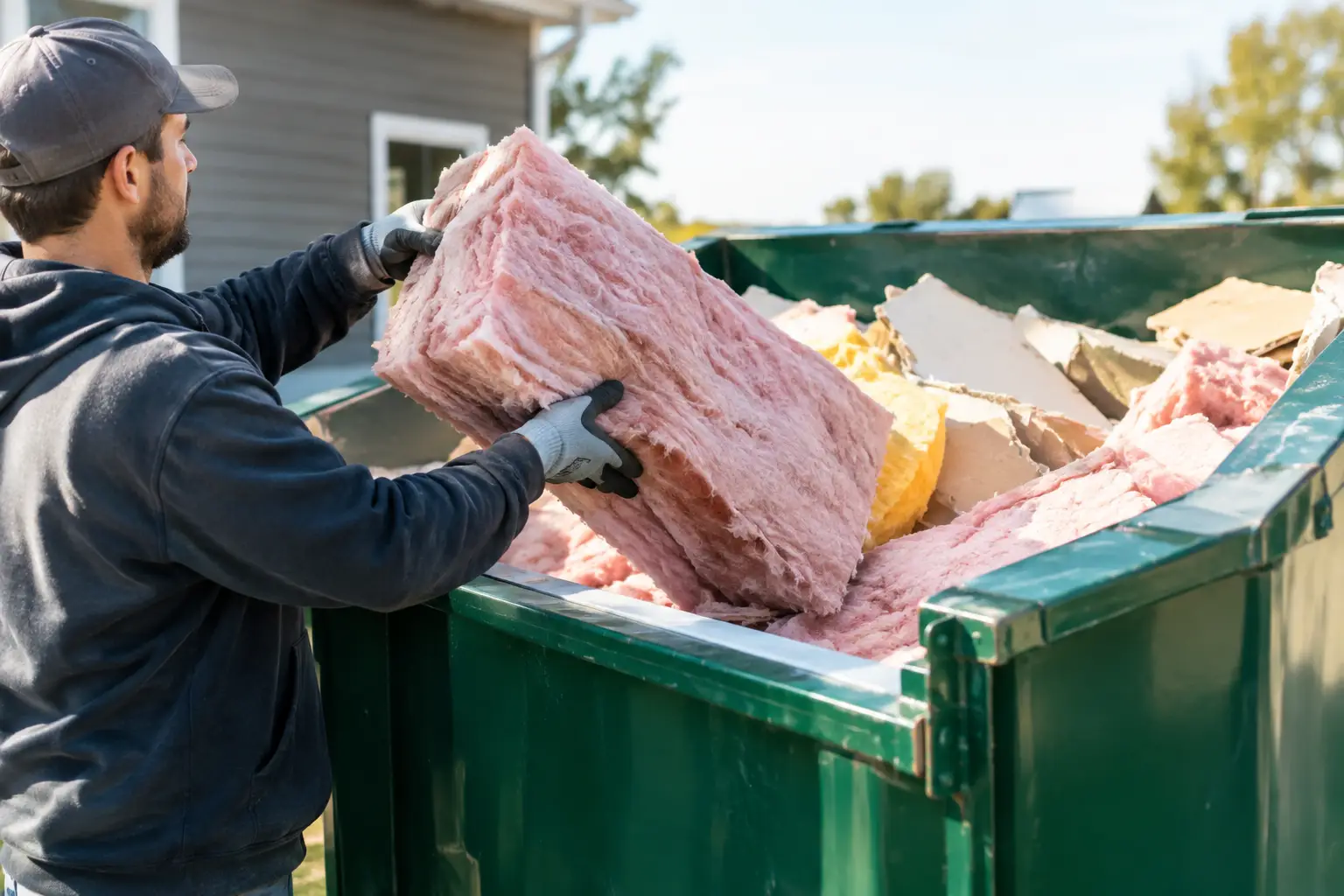
A basement tear-out can fill up faster than most homeowners expect. Once old drywall comes down, insulation often follows - and it is not always as simple as tossing it into the same bin as lumber and flooring. If you are asking, do bins accept insulation, the practical answer is: sometimes, but only when the material, condition, and local disposal rules allow it.
Insulation can be accepted in a general waste or mixed-material bin in some situations. In others, it needs to be bagged, separated, taken to a specific facility, or handled by a qualified professional. Asking before delivery helps avoid a rejected load, extra sorting time, or disposal charges that were not part of the original plan.
Do Bins Accept Insulation From Renovation Projects?
Many rental bins can accept common renovation insulation, particularly clean fiberglass batt insulation removed during a small remodel, room cleanout, or demolition project. However, acceptance depends on the disposal site and what is mixed in with the insulation.
A bin company cannot simply decide that every kind of insulation belongs in a container. Landfills, transfer stations, and recycling facilities set their own rules for materials that can create dust, contaminate recyclable loads, or raise health and safety concerns. That is why the right answer starts with identifying what you have.
Clean, dry fiberglass insulation from a recent renovation may be accepted with general construction debris. Wet insulation, moldy material, insulation mixed with animal waste, or debris from a fire or flood can be treated differently. The same goes for insulation that may contain hazardous material.
For homeowners and contractors, the best approach is to describe the insulation when requesting a quote. Mention the type, the approximate amount, whether it is bagged, and what other materials will be going into the bin. A quick conversation before booking is much easier than dealing with a problem after pickup.
The Type of Insulation Makes a Difference
Not all insulation is handled the same way. Knowing the material helps you choose the right disposal plan and keeps workers safe during loading.
Fiberglass batts and loose-fill fiberglass
Fiberglass is the pink, yellow, or white material commonly found in walls, attics, and ceilings. It is widely used and may be accepted in a general waste bin when it is dry, contained, and free of hazardous contamination.
Because loose fibers can irritate skin, eyes, and lungs, fiberglass should not be thrown loosely into a bin. Wear gloves, long sleeves, eye protection, and a proper dust mask or respirator while removing it. Place it in durable bags, seal them well, and load them carefully so they do not tear open in the container.
Cellulose insulation
Cellulose insulation is often gray or brown and may look like shredded paper. It is commonly blown into attics and wall cavities. While it is not automatically hazardous, it can be dusty and difficult to contain.
Whether cellulose can go in a rental bin depends on its condition and local disposal requirements. If it is dry and bagged, it may be accepted as general waste. If it is damp, moldy, contaminated by pests, or mixed with other questionable material, separate handling may be required.
Foam board and spray foam
Rigid foam board, expanded polystyrene, and cured spray foam are common in newer insulation and exterior renovation work. These materials can be accepted in some mixed-waste loads, but disposal options vary more than people expect.
Foam is lightweight, bulky, and can break into small pieces that blow around during transport. Bag smaller pieces where possible, keep the bin load below the top edge, and do not assume foam can be recycled through a standard construction debris program. If you have a large volume of foam board, ask about it specifically before loading.
Vermiculite insulation
Vermiculite deserves extra caution. It is usually a loose, pebble-like material found in some older attics. Certain vermiculite products may be associated with asbestos contamination, which means they should never be handled as ordinary renovation debris.
Do not sweep it into bags, load it into a bin, or disturb it without guidance. Have the material assessed by a qualified professional before moving forward. This is one situation where trying to save a few hours on cleanup can create a serious safety issue.
When Insulation Should Not Go in a Rental Bin
Insulation should not be placed in a standard bin if it is known or suspected to contain asbestos. Materials contaminated with mold, sewage, chemicals, fuel, or animal waste may also require special disposal. The same applies to insulation from a fire-damaged building, where soot and other contaminants can change how the load must be handled.
Older homes need particular care. Age alone does not mean insulation is hazardous, but it is a reason to slow down and identify the material before demolition begins. If you are unsure what is behind a wall or above a ceiling, avoid ripping it out first and asking questions later.
A good rule is simple: if the insulation looks unusual, has been exposed to contamination, or comes from an older area of the home, pause and confirm the proper disposal route. A bin is a practical tool for cleanup, not a substitute for hazardous-material handling.
How to Load Insulation Safely and Keep the Bin Usable
Even when insulation is accepted, loading it properly matters. Insulation can take up a surprising amount of space, especially when it is not bagged or compacted. A few bags of fiberglass are manageable. An attic full of loose-fill insulation can use most of a bin before heavier debris is even loaded.
Bag insulation in sturdy contractor bags and seal each bag before putting it in the container. Avoid overfilling bags, since they can split when lifted. Keep bags away from sharp metal, broken tile, and exposed nails that could tear them open.
If your project includes drywall, lumber, flooring, cabinets, and insulation, load dense materials evenly across the bottom. Place sealed insulation bags on top or in areas where they are less likely to be punctured. Do not pack material above the bin rim. Overfilled bins can be unsafe to transport and may need to be unloaded before pickup.
It also helps to keep insulation separate from materials that have their own disposal stream, such as clean fill, concrete, asphalt, or large quantities of metal. Separating materials can make disposal simpler and may help you avoid paying to dispose of recyclable or clean material as mixed waste.
Choose the Bin Size Around the Whole Job
Insulation should be part of your bin-size calculation, not an afterthought. A small bathroom renovation that produces a few bags of insulation may fit comfortably in a smaller container. A full basement renovation, roof repair, or interior demolition can generate far more volume than expected.
For projects with light but bulky debris, consider the container's volume rather than only the weight of the material. Insulation, carpet, packaging, and drywall can fill a bin quickly. Meanwhile, concrete, soil, brick, and asphalt are heavy materials that typically need their own bin and loading limits.
At Forever Green Bin Rental, clear details at booking help match the bin to the job. Tell the team whether insulation is part of the load, what kind it is, and whether you are also disposing of demolition debris. That makes it easier to recommend a practical option and avoid surprises at pickup.
Questions to Ask Before You Book
Before arranging bin delivery, confirm whether your insulation is accepted, whether it must be bagged, and whether there are limits on the amount in a mixed load. Also ask what materials cannot be combined with it. These details vary by disposal facility, so a straightforward quote request is the right time to get clear answers.
If you suspect asbestos or another hazardous issue, ask about next steps before any material goes into the bin. Do not rely on appearance alone, and do not let a tight renovation schedule push you into unsafe handling.
A clean, well-planned bin load keeps your project moving and protects everyone involved. Identify the insulation first, contain it properly, and get disposal guidance before the first bag goes into the container.