
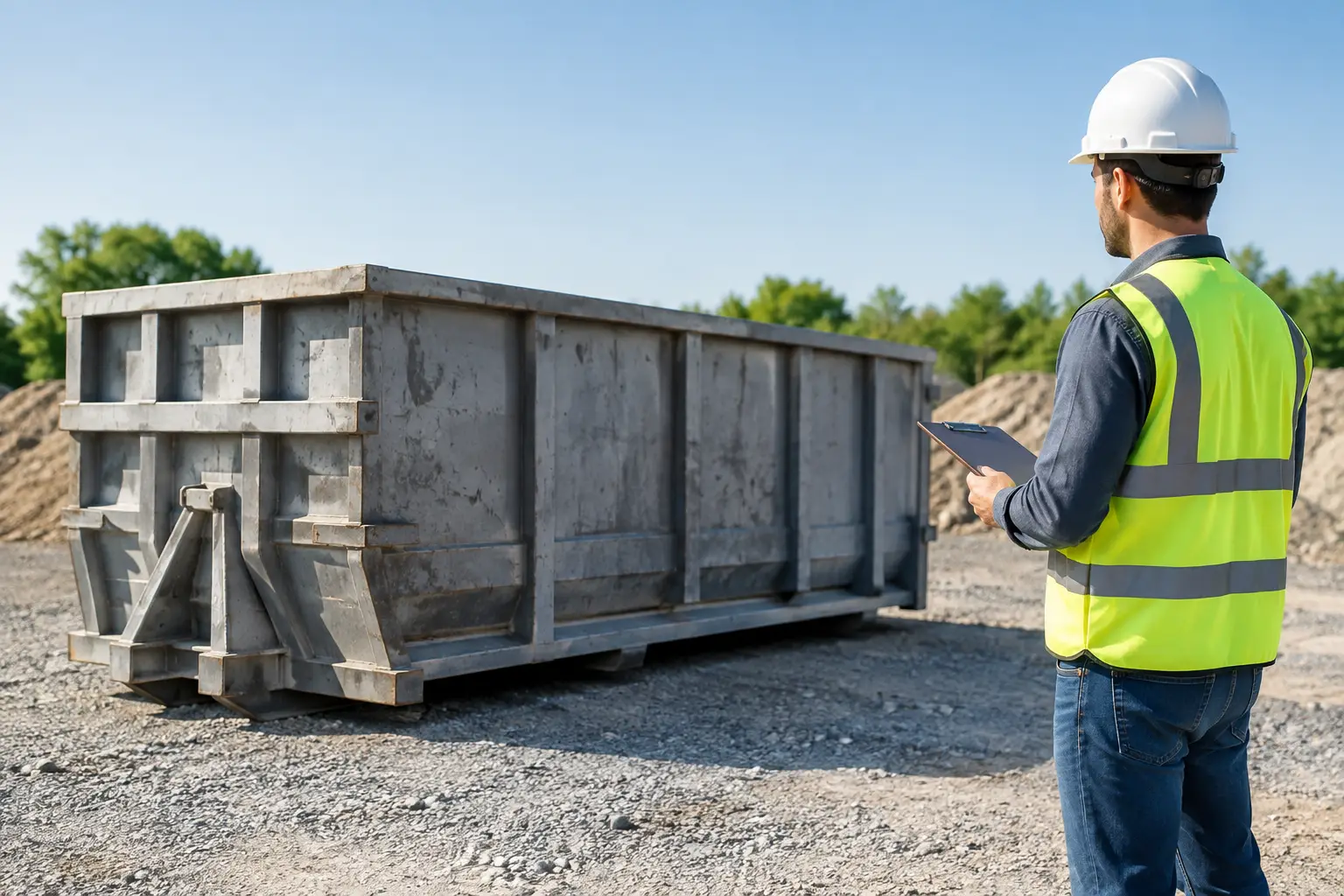
A concrete bin can save a homeowner or contractor from a long, expensive series of landfill runs, but only when the material in it is actually clean concrete. This concrete bin review looks at where these bins work best, what can turn a simple rental into a problem, and how to book the right container for a real job site.
Concrete is dense. A small pile from an old patio, walkway, shed pad, or broken curb can weigh far more than it looks. That changes the rental decision. The goal is not simply to get the biggest bin available. It is to use a container sized for the volume and weight of your material, then keep the load clean enough for the correct disposal stream.
What a Concrete Bin Is Designed to Handle
A concrete bin is intended for heavy, clean masonry material. It is a practical choice when a project produces broken concrete slabs, driveway sections, sidewalk pieces, patio blocks, curbs, or similar concrete debris. In many cases, concrete can be processed separately from general construction waste, which is why keeping the load clean matters.
The key word is clean. A concrete-only load should not become the catch-all bin for renovation debris. Wood, drywall, insulation, household garbage, plastic, carpet, soil, and yard waste can change how the material must be handled. The same is true of mixed construction debris hidden under a layer of concrete.
Before loading, ask a straightforward question: Is this bin for concrete alone, or is the job producing several types of waste? If demolition includes framing, cabinets, roofing, or drywall along with the concrete, a mixed-material bin may be the better fit. Separating materials can take more effort up front, but it often prevents surprises at pickup.
Concrete, Asphalt, and Clean Fill Are Not Always the Same
Concrete, asphalt, and clean fill are all heavy materials, but they are not automatically interchangeable. A driveway removal may produce both broken concrete and asphalt. A landscaping project may create soil, sod, stone, and concrete edging. Each material can have different disposal requirements and weight considerations.
Do not assume that dirt is acceptable in a concrete bin or that asphalt can be added without checking first. Describe the material when requesting a quote, including whether the load contains rebar, wire mesh, brick, stone, dirt, or asphalt. A clear description helps the rental provider recommend the right bin and price the job accurately.
Concrete Bin Review: Where This Rental Option Shines
For the right project, a concrete bin is one of the most efficient waste solutions available. It keeps heavy debris contained in one place, reduces clutter around the work area, and eliminates repeated loading and unloading of a pickup truck. That matters when the job has a firm deadline or limited labor.
A concrete bin is especially useful for a small driveway section replacement, a patio tear-out, a pool-deck repair, a walkway upgrade, or removal of an old garage pad. Contractors also benefit when they need a dedicated container for masonry debris rather than mixing it with general construction waste.
The biggest advantage is job-site control. Broken slabs do not need to sit in a growing pile while the crew waits for a disposal run. Pieces can go directly into the bin as they are removed, leaving a safer and more organized work area.
There is also a practical cost benefit. Multiple trips to a disposal facility use fuel, labor, truck space, and time. For a homeowner doing demolition on weekends, those trips can stretch a one-day cleanup into several days. A bin keeps the disposal step simple: load it correctly, schedule pickup, and move on to the next phase of the project.
That said, a concrete bin is not always the best value for a very small amount of material. If there are only a few pavers or a handful of broken blocks, a rental container may be more capacity than the job needs. The right answer depends on the quantity of debris, access to the property, available labor, and whether other materials need disposal too.
Choosing the Right Bin Size for Heavy Material
When people rent a bin for household junk, they often think in terms of how much space the waste takes up. Concrete requires a different approach. Weight is usually the limiting factor long before the bin looks full.
A smaller container is commonly the safer choice for concrete because it helps prevent overloading. A 5-yard bin may be appropriate for many small demolition jobs, while larger projects need a size recommendation based on the type and estimated amount of material. Bigger is not automatically better with dense debris.
Try to estimate the project before booking. Measure the length, width, and thickness of the slab or surface being removed. A thin patio and a thick driveway section can have similar square footage but very different total weight. If you are unsure, share the dimensions and material details when requesting your quote.
Keep the bin level as you load it. Do not pile broken concrete above the container walls or place large pieces so they stick out. Overfilled bins create a safety issue during transport and can delay pickup while the load is corrected. Breaking oversized slabs into manageable pieces also makes loading safer and uses the bin space more evenly.
The Most Common Mistakes to Avoid
The most expensive mistake is treating a concrete bin like a general cleanup bin. It may be tempting to toss in old lumber, garbage bags, demolition scraps, or landscaping waste as the project progresses. That convenience can create a mixed load that requires different handling and additional charges.
Another common issue is underestimating how much material is on the ground. Concrete looks manageable when it is still a slab. Once it is broken into chunks, the pile grows quickly. Plan for the real amount of debris, not just the surface area you see before demolition starts.
Access deserves attention too. The delivery truck needs a clear, safe path to place the bin. Move vehicles, keep gates open, and identify overhead obstacles such as branches and wires. If the bin will sit on a driveway, confirm the placement area before delivery. Driveway protection should be part of the conversation, especially on finished asphalt, interlock, or decorative concrete surfaces.
Finally, do not wait until the last minute to arrange pickup. If concrete removal is holding up excavation, framing, paving, or landscaping, the full bin can become the bottleneck. Booking with a local provider that can communicate clearly about delivery and pickup timing helps the project stay on track.
Questions to Ask Before You Book
A good quote begins with accurate information. Tell the rental company what material you are removing, whether it is clean concrete only, the approximate quantity, and when you need the bin. Mention any rebar, asphalt, soil, brick, or mixed debris before the container arrives.
It also helps to confirm the rental period, included weight allowance, pickup process, and any restrictions on what can go in the bin. Transparent answers make it easier to compare options without guessing at the final cost.
For jobs in York Region and South Simcoe, Forever Green Bin Rental can help match the container to the material and provide driveway protection with the rental. That kind of local guidance is valuable when a project has little room for delays or a driveway worth protecting.
The best concrete bin rental is the one that fits the material, the space, and the pace of your project. Keep the load clean, size it for weight rather than empty volume, and give your provider a clear picture of the job. Then the broken concrete stops being a pile you have to manage and becomes one less thing standing between you and a finished property.