A cleanup gets easier the moment you stop guessing about disposal. If you're asking what can go in a dumpster rental, the short answer is most common household, renovation, and construction debris - but the right answer depends on the material, the bin type, and the local disposal rules.
That matters whether you're clearing out a garage in Newmarket, tearing out an old bathroom, or keeping a job site moving on schedule. Put the right material in the right bin, and pickup is simple. Mix in the wrong items, and you can run into extra fees, rejected loads, or delays you did not plan for.
What can go in a dumpster rental for most projects?
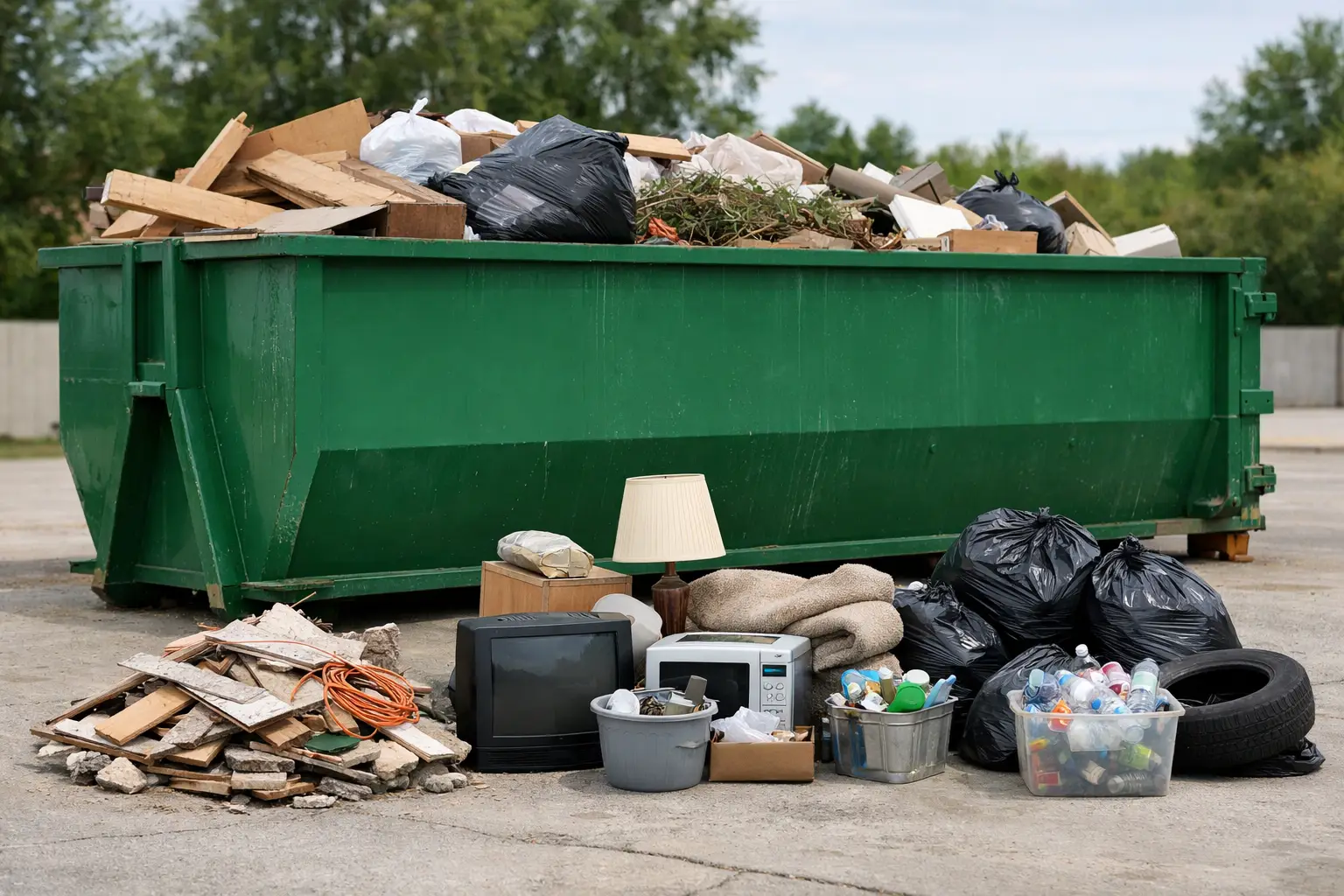
For a standard general waste bin, most non-hazardous solid waste from residential and commercial cleanups is acceptable. That usually includes furniture, wood, drywall, flooring, trim, cabinetry, cardboard, packaging, yard debris, toys, clothing, and general junk from basements, garages, attics, and sheds.
For renovation work, a dumpster rental can usually take torn-out materials like carpet, laminate, old vanities, shelving, doors, sinks, and non-contaminated demolition debris. Contractors also commonly use bins for roofing shingles, lumber offcuts, tile, plaster, and site waste generated during remodeling.
The key detail is that not every bin is meant for every material. Heavy debris such as concrete, asphalt, brick, and clean soil often needs its own container. Mixed loads are convenient, but they are not always the most cost-effective option if a large portion of the material is dense and heavy.
The easiest way to know what goes where
Think in categories instead of individual items. That is usually the fastest way to decide what belongs in a bin and what needs a separate plan.
General household junk
This is the material most homeowners are dealing with during a cleanout. Old furniture, broken shelving, boxes of clutter, kids' items, small non-electronic household goods, and worn-out décor are usually fine for a general dumpster rental. If it is dry, non-hazardous, and not restricted, it will often fall into this category.
Mattresses can be allowed in some cases, but they may carry separate disposal charges depending on the facility. The same goes for box springs and oversized upholstered pieces. It is always better to ask before loading them instead of assuming they count as regular junk.
Renovation and demolition debris
This is one of the most common uses for roll-off bins. Drywall, wood, trim, flooring, tiles, cabinets, insulation, and non-hazardous demolition material are generally accepted. If you are gutting a kitchen, finishing a basement, or removing old built-ins, a dumpster rental is usually the most practical disposal option.
There is a trade-off here. Mixed renovation debris is convenient, but certain materials can add weight quickly. Tile, plaster, mortar, and roofing shingles can push a bin to its weight limit sooner than many people expect.
Yard and outdoor cleanup waste
Branches, brush, leaves, garden waste, fencing, and small landscape debris are often acceptable. Dirt, sod, concrete, and stone may also be accepted, but usually not in the same container as general household waste. Those materials are heavier, handled differently, and may require a clean fill bin or a dedicated heavy-material bin.
If you are doing a yard overhaul, the smartest move is to separate clean natural material from mixed outdoor junk like old patio furniture, plastic edging, or broken planters. Separation can make disposal more efficient and help avoid overloading the container.
Construction materials
Wood scraps, drywall, packaging, non-hazardous job site debris, and some roofing materials usually belong in a dumpster rental. For builders and trades, the more important question is not just what is allowed, but whether the debris should be kept separate.
Concrete, asphalt, and clean fill are good examples. These materials are often accepted, but usually in bins intended specifically for them. Putting heavy masonry into a general waste bin can create problems with hauling weight, landfill sorting, and disposal cost.
What usually cannot go in a dumpster rental
This is where people get caught off guard. Many restricted items are banned not because a rental company wants to be difficult, but because transfer stations and landfills have environmental and safety rules that apply to everyone.
Hazardous waste is the big category. That usually includes paint, solvents, oils, gasoline, propane tanks, pesticides, pool chemicals, asbestos, and other flammable, toxic, or reactive materials. These items need special handling and should never be tossed into a standard bin.
Electronics may also be restricted depending on the item and the disposal facility. Televisions, computer monitors, and certain appliances often need separate recycling. Refrigerators, freezers, air conditioners, and dehumidifiers can be especially tricky because they may contain refrigerants that require regulated removal.
Tires, batteries, medical waste, and explosives are also commonly prohibited. In some cases, mattresses, box springs, and large appliances are allowed but charged separately. It depends on the disposal rules in your area and the type of load being hauled.
Why bin type matters more than people think
A lot of disposal problems start with a simple assumption: if it fits, it ships. That is not always true.
A general waste bin is built for mixed debris from cleanouts and renovations. A clean fill bin is meant for uncontaminated material such as soil, brick, concrete, or stone. Concrete and asphalt bins are even more specific, since those materials are dense, recyclable in many cases, and handled differently from general garbage.
If you mix wood, plastic, food waste, and metal into a load of clean concrete, that load may no longer qualify for the lower-cost disposal stream it was meant for. The result can be re-sorting charges, rejected pickup, or a higher final invoice. For homeowners, that means surprise costs. For contractors, it can mean unnecessary delays.
Weight matters just as much as volume
People tend to focus on how big a bin looks, but weight is often the limit that matters first. A small amount of concrete can outweigh a large pile of furniture. Drywall, roofing shingles, dirt, and tile are common examples of debris that can fill a bin by weight long before it looks full.
That is why the right answer to what can go in a dumpster rental is sometimes yes, but not all in the same load. If your project includes both bulky household junk and heavy demolition debris, splitting materials into separate bins can be the safer and more affordable choice.
This is especially useful for larger remodeling jobs. One bin for mixed construction waste and another for heavy material may keep the site cleaner and reduce the chance of overage charges.
A few common project examples
For a basement cleanout, you can usually load old shelving, toys, boxes, furniture, carpet, and general junk into a standard dumpster rental. If you also have old paint cans or electronics, those should be set aside for proper disposal.
For a kitchen remodel, cabinets, countertops, drywall, flooring, wood trim, and general demolition debris are usually acceptable. If the job includes a refrigerator or stove, ask in advance whether appliances are accepted and whether extra charges apply.
For a concrete patio removal, the broken concrete can often go in a bin, but it should usually be a dedicated concrete or clean fill container rather than a mixed junk bin. That keeps the load compliant and easier to process.
For roofing work, shingles are often accepted, but they are heavy. That means the right bin size is not always the biggest bin available - it is the bin that matches the expected weight of the material.
How to avoid problems before delivery day
The best approach is simple. Tell the rental company what you are throwing out before the bin arrives. Not just the project type, but the actual materials if you know them. A bathroom tear-out and a landscaping job may both sound small, yet the disposal requirements can be completely different.
It also helps to stage questionable items separately. If you are not sure about paint cans, propane cylinders, batteries, or old electronics, do not toss them in and hope for the best. Ask first. A quick check upfront is easier than unloading a bin later.
If your driveway matters to you, placement matters too. A local company that understands residential service often plans for that with proper bin positioning and surface protection, which makes the cleanup easier on the property as well as the schedule.
When the answer is, it depends
Some items fall into a gray area. Appliances, mattresses, treated wood, stumps, and mixed soil loads are common examples. They may be allowed in one situation and restricted in another based on local disposal rules, contamination, weight, or the type of bin booked.
That is why clear guidance matters more than a generic yes-or-no list. The right dumpster rental should fit the material, the timeline, and the site itself. That is the practical side of good waste removal - less guessing, fewer delays, and a cleanup that stays on track from the first load to final pickup.
When you are planning a project, the smartest move is not to memorize every disposal rule. It is to get the right advice before you start loading, so the bin on your driveway or job site works exactly the way you need it to.