A pile of excavated soil can look like one simple material until a few pieces of lumber, sod, plastic, or broken concrete end up mixed in. That is why knowing how to sort clean fill materials before booking a bin matters. Proper sorting helps keep disposal costs predictable, prevents rejected loads, and makes pickup easier when your landscaping, excavation, or renovation work is ready to move forward.
Clean fill disposal is not a catch-all option for anything that came out of the ground. It is a specific waste stream with strict expectations. A little planning before the bin arrives can save you from having to re-sort a full container later.
What Counts as Clean Fill Materials?
Clean fill generally means natural, uncontaminated earth materials that can be reused, graded, or processed. The most common examples are clean soil, sand, clay, gravel, stone, and small amounts of clean aggregate. These materials are handled separately from general waste because they may be suitable for reuse rather than landfill disposal.
The key word is clean. Material should be free of garbage, construction debris, organic waste, hazardous substances, and anything else that changes the load from reusable fill to mixed waste. Requirements can vary by receiving facility, so it is always smart to describe the material clearly when requesting a quote.
A backyard excavation is a common example. If you are removing plain soil to install a patio, pool, retaining wall, or new drainage, that soil may qualify as clean fill. If the same pile contains old landscape fabric, pressure-treated wood, roots, bricks, and plastic edging, it needs a different disposal plan.
Why Sorting Clean Fill Materials Saves Money
Clean fill bins are priced and processed differently from mixed debris bins. A load of separated soil or aggregate can go to a facility equipped to handle that material. A contaminated load may need extra sorting, be redirected to a different facility, or be charged at a mixed-waste rate.
That difference is not just about rules. Soil is heavy. One small bin can reach a weight limit quickly, especially after rain. Adding demolition debris or household junk creates a load that is both harder to process and more expensive to dispose of correctly.
For homeowners, sorting early avoids a frustrating surprise after a weekend project. For contractors, it helps protect the job schedule. When the bin is filled with the right material, pickup is faster and the crew does not have to stop work to deal with a rejected load.
Start With One Material Pile
The easiest way to keep a clean fill load clean is to create a dedicated pile before delivery. Do not place excavation material beside a general cleanup pile and assume it will stay separate. Wind, rain, foot traffic, and busy job sites have a way of mixing everything together.
Choose a clear area for soil, sand, gravel, or stone. Keep it away from demolition debris, packaging, yard waste, and household items. If machinery is being used, make sure the operator knows which pile goes into the clean fill bin.
This matters even more on renovation sites where several trades are working at once. A bin sitting near a drywall crew or a landscaping crew can quickly collect the wrong material. A simple sign reading “clean fill only” can prevent a costly mix-up.
Remove These Items Before Loading
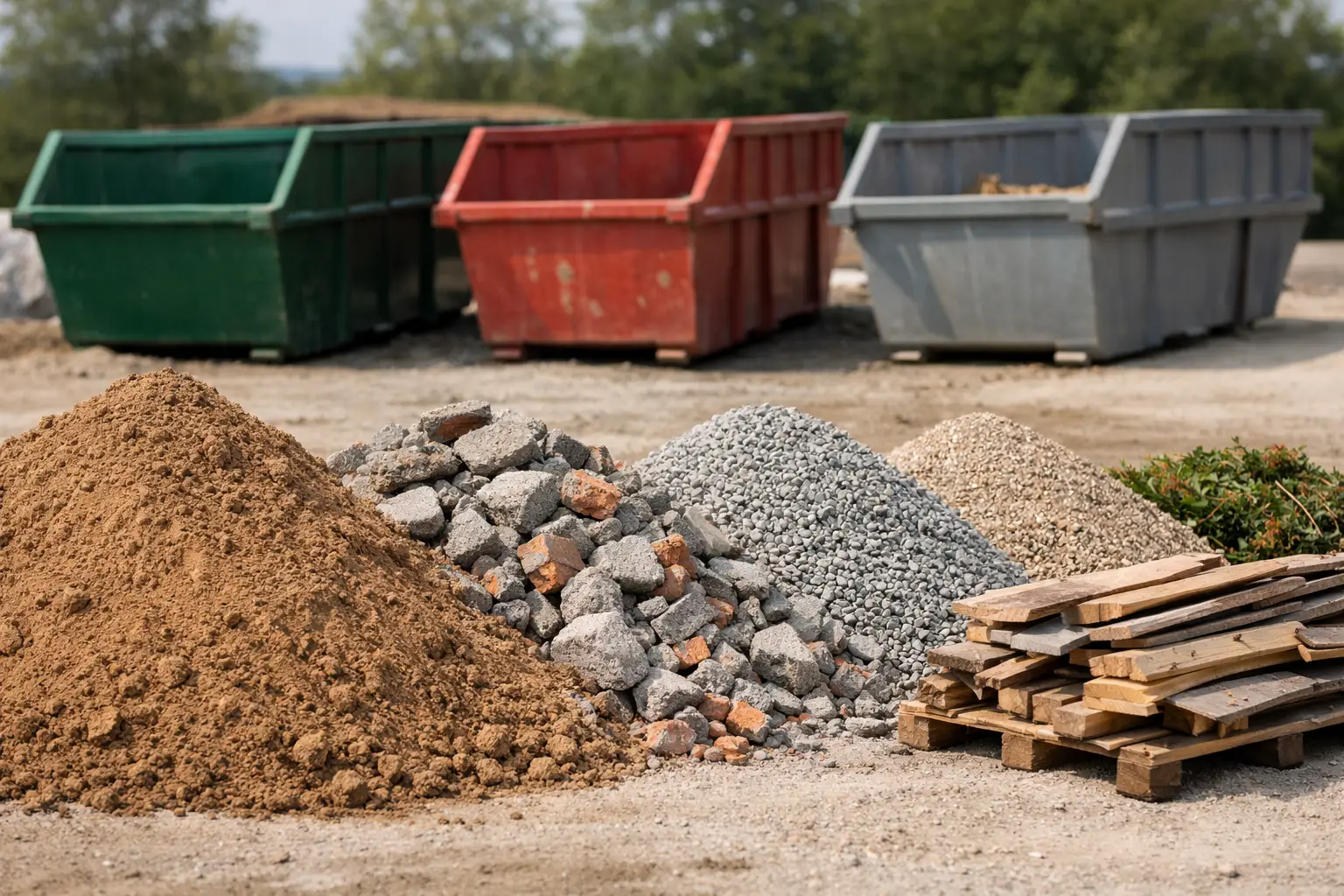
Clean fill should not include visible foreign materials. Before loading, pull out wood, lumber, branches, sod, roots, leaves, landscape fabric, plastic, metal, glass, cardboard, and garbage. Bricks, concrete, asphalt, and pavers also should not be assumed acceptable in a soil-only bin.
Some materials deserve special attention. Painted soil, soil with an unusual odor, oil-stained earth, or material from a property with a known contamination issue may require separate assessment. Do not bury questionable material in the middle of the load. Explain what you have before booking so the right disposal option can be arranged.
Concrete and asphalt are often recyclable, but they typically belong in their own designated bin or load. Keeping them separate from soil helps both material streams stay usable.
Watch for Sod, Roots, and Yard Waste
This is one of the most common points of confusion. Sod may look like clean soil, but it contains grass, roots, and organic matter. The same goes for topsoil full of roots, plants, leaves, and mulch. Depending on the facility, these materials may be treated as yard waste, organics, or mixed fill rather than clean fill.
If you are stripping a lawn before a landscaping project, separate the sod from the underlying soil as much as possible. Put sod and root-heavy material in a separate pile until you confirm the best bin type. That extra step can keep a large soil load from being classified as contaminated.
Small traces of organic matter may be unavoidable in some excavation work. The issue is the overall condition of the load. A mostly clean pile of soil is very different from a bin that is half soil and half uprooted shrubs.
Keep Different Aggregate Materials Separate When Possible
A project may produce more than one type of fill material. For example, you may have excavated soil from a trench, clean gravel from an old base layer, and broken concrete from a removed walkway. They are all heavy materials, but they are not necessarily processed the same way.
When space allows, make separate piles for soil, gravel or stone, concrete, and asphalt. This gives you more options when arranging disposal. It may make sense to use one bin for clean fill and another for concrete or asphalt, particularly on larger projects.
There is a trade-off. Multiple bins are not always necessary for a small job, and limited driveway or job-site space can make separation difficult. The practical answer depends on the material volume, the bin size, and the disposal rules for your area. A clear description of the project usually gets you to the right setup faster than guessing.
Choose a Bin Size With Weight in Mind
Do not choose a clean fill bin the same way you would choose a bin for old furniture or light renovation debris. Soil, sand, gravel, concrete, and asphalt add weight fast. A container that looks only partly full can already be near its safe hauling limit.
For this reason, smaller bins are often the better choice for dense materials. They are easier to load within weight limits and safer to transport. A large bin may be useful for bulky, lightweight waste, but it is not automatically the best option for excavated earth.
Before delivery, estimate how much material you have and whether it is dry or saturated. Wet soil is significantly heavier than dry soil. If rain is expected, cover loose material when practical and avoid filling the bin beyond the top edge. Loads must be safe for transport, and overfilled bins can delay pickup.
Load the Bin Carefully
Place the bin where equipment and wheelbarrows can access it without damaging the property or blocking the work area. Forever Green Bin Rental includes driveway protection with each rental, but the loading area still needs a clear approach and stable ground.
Load heavy material evenly from front to back. Do not create one tall mound at the rear or stack material above the container rails. Even loading helps the hauler transport the bin safely and makes it easier to confirm that the load contains the approved material.
If you uncover something unexpected while digging, stop and separate it. Old pipe, buried plastic, concrete chunks, roofing material, or treated wood can turn up during excavation. Keeping those items out of the fill bin is easier than correcting a contaminated load after it is full.
Ask the Right Questions Before Booking
A quick conversation before delivery can prevent most clean fill problems. Be ready to explain whether your material is soil, clay, sand, gravel, sod, concrete, asphalt, or a mixture. Mention whether it came from landscaping, a foundation excavation, a driveway removal, or another type of project.
It also helps to know if the material is visibly clean, root-heavy, wet, or mixed with demolition debris. Photos can be useful when the pile is difficult to describe. The goal is not to make bin rental complicated. It is to match the container and disposal stream to the material from the start.
For projects in Newmarket and nearby communities, local service and a clear quote can make a real difference when your schedule is tight. Booking the correct bin once is easier than arranging a second pickup because the first load was mixed.
A clean fill bin works best when it is treated as part of the project plan, not as a last-minute place to put dirt. Keep the pile clean, load only approved material, and ask before mixing anything questionable in. That small amount of organization keeps your site moving and your disposal costs under control.