A garage cleanout can fill a pickup truck faster than expected. A kitchen renovation can create piles of drywall, cabinetry, flooring, and packaging before the first week is over. Knowing how to rent a garbage bin ahead of time keeps that waste from taking over your driveway, work area, or schedule.
A bin rental is straightforward when you match the container to the material, allow enough room for delivery, and get clear answers about pricing and pickup. The goal is not to rent the biggest bin available. It is to get a bin that fits the job, protects your property, and keeps cleanup moving without surprises.
Start With the Cleanup You Are Actually Doing
Before requesting a quote, take a quick inventory of what is leaving the property. The type of debris matters as much as the amount. General household waste, renovation debris, clean soil, concrete, and asphalt are often handled differently because they have different disposal requirements and weight limits.
For example, a room cleanout may include furniture, boxes, old clothing, toys, shelving, and non-hazardous household junk. A bathroom renovation may include tile, drywall, fixtures, lumber, and flooring. A landscaping project may produce sod, soil, branches, or interlock. These materials do not always belong in the same bin.
Be specific when you speak with a local bin provider. Saying you have “construction waste” is a useful starting point, but it helps to mention if the load includes heavy concrete, clean fill, roofing material, or mixed renovation debris. That information helps the provider recommend the correct bin and quote the job accurately.
Choose the Right Bin Size
Bin sizes are measured in cubic yards, which can feel abstract until you picture the project. A 5-yard bin is often a practical choice for a small room cleanout, a bathroom update, or a DIY project with limited debris. It takes up less driveway space while still holding far more than a few vehicle loads.
Mid-size bins are useful for larger cleanouts, basement finishing, deck removal, and moderate renovation work. For major renovations, demolition, contractor jobs, or large-volume debris, a 20- or 25-yard bin may be the better fit.
Choosing too small can cost time. Once a bin is full, you may need it emptied and returned before the work can continue. Choosing too large can mean paying for space you do not need. If you are between sizes, think about bulky items. Old couches, cabinets, mattresses, and broken-down materials can consume volume quickly, even when they are not especially heavy.
Do Not Overfill the Bin
Every bin has a maximum fill line. Debris should stay level with or below that line so it can be transported safely and legally. Material piled above the top may require removal before pickup, especially if it could shift or fall during transport.
Break down cardboard boxes, dismantle lightweight furniture when practical, and place flat materials carefully. These small steps make better use of the space. Heavy material should be spread across the bottom rather than piled in one area.
Match the Bin to the Waste Stream
One of the most common rental mistakes is treating every type of waste as interchangeable. A general waste bin is suitable for many household and renovation materials, but heavy materials can change the equation quickly.
Concrete, asphalt, soil, brick, and clean fill are dense. A bin that looks only partly full can already be near its weight capacity. For those projects, a dedicated clean fill or concrete and asphalt bin is usually the safer, more cost-effective choice. Keeping these materials separate can also support proper recycling and disposal.
Mixed material bins are useful when a project produces several approved waste types, such as wood, drywall, flooring, fixtures, and general debris. However, not everything can go in a rental bin. Hazardous materials, chemicals, paint, fuel, propane tanks, batteries, and certain electronics often require separate disposal methods. Ask before loading anything questionable.
It is better to confirm an item in advance than to find out at pickup that it cannot be transported in the bin. A dependable provider will tell you what is accepted, what needs separate handling, and whether a specific material affects the price.
How to Rent a Garbage Bin: Plan Delivery Access
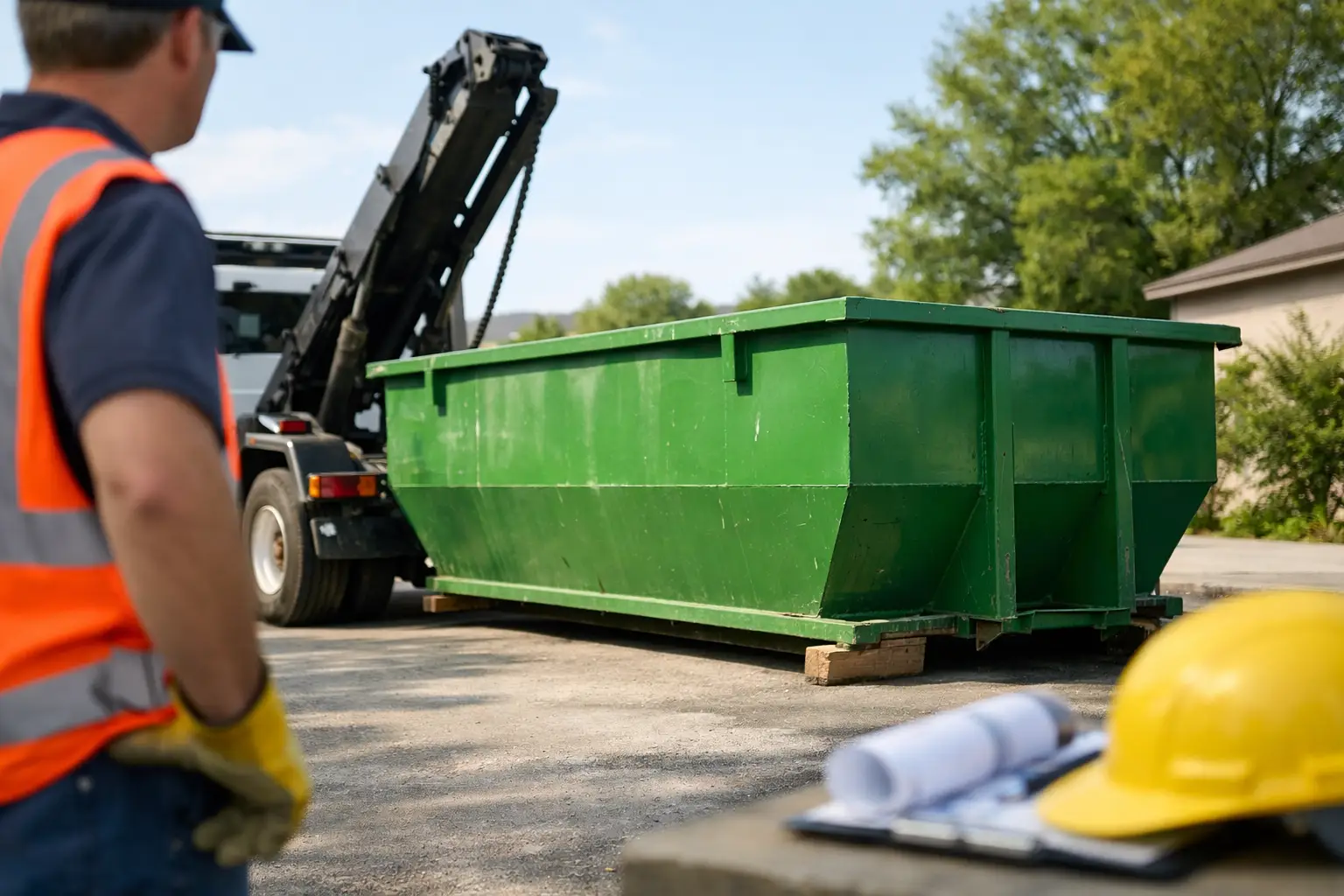
The bin needs a clear, safe place to sit. Most homeowners choose the driveway because it is accessible for delivery and close to the work area. Before booking, measure the available space if your driveway is narrow, short, or shared. Consider parked vehicles, gates, low branches, overhead wires, basketball nets, and construction materials.
You should also think about how the debris will get into the bin. A location near the garage or renovation entrance can reduce carrying time. But the truck still needs enough access to place and retrieve the container safely.
Driveway protection should be part of the conversation. A loaded bin is heavy, and the placement surface matters. Forever Green Bin Rental includes driveway protection with every rental, helping homeowners manage cleanup without adding unnecessary risk to the property beneath the bin.
If a bin must be placed on a street, check local rules before delivery. Permit requirements vary by municipality, and a driveway placement may be the simpler option. Contractors should also make sure the planned location does not interfere with crew access, deliveries, or neighboring properties.
Ask What the Quote Includes
A low advertised starting price does not tell the whole story. The best rental quote clearly explains the bin size, rental period, delivery, pickup, included weight, disposal costs, and any charges that may apply if limits are exceeded.
Ask how long you can keep the bin. Some projects are finished over a weekend, while others need several days or more. A realistic rental period is usually better than rushing to fill the bin before the work is complete. If your timeline changes, ask whether an extension is available and what it costs.
Weight is another key detail. Lighter household debris may stay well within an included allowance, while shingles, soil, concrete, and wet materials can add weight fast. The quote should make clear what happens if the load exceeds the included amount.
Transparent quote-based booking is especially valuable for renovation and construction work, where the waste plan can affect the project budget. You should know the expected cost before the truck arrives, not after the bin has been hauled away.
Book Early When Your Timeline Matters
If you have demolition scheduled for Monday or movers arriving on the weekend, do not wait until the last minute to arrange waste removal. Booking ahead gives you a better chance of getting the size you need on the day you need it.
When requesting service, provide the delivery address, preferred delivery date, bin size if known, type of material, and expected rental length. A short description of access conditions is also helpful. For example, mention a steep driveway, a tight turnaround, or a jobsite with active trades.
Local service makes a difference when plans shift. Homeowners and contractors in York Region and South Simcoe often need fast delivery, a pickup adjustment, or straightforward advice when a load turns out heavier than expected. Working with a responsive local provider can prevent a small disposal issue from holding up the entire job.
Load Smart and Keep the Worksite Safe
Once the bin arrives, load it steadily rather than waiting for one exhausting cleanup day. Put large, flat items along the sides or bottom, then fill gaps with smaller debris. Keep walkways clear and avoid leaving loose material around the bin where someone could trip.
Do not move the bin after it has been placed. Roll-off containers are positioned with specialized equipment, and shifting one can damage the surface or create a safety issue. Keep children and pets away from the loading area, and do not allow anyone to climb into the bin.
For contractor sites, designate one person to monitor what goes into the container. This helps prevent prohibited items, keeps clean fill separate from general debris, and avoids the costly mistake of filling a mixed-waste bin with material that needs its own disposal stream.
Arrange Pickup Before the Bin Becomes a Problem
When the work is done, make sure the area around the bin is accessible. Move vehicles, tools, and material piles out of the truck’s path. Check that the load is below the fill line and that no debris is hanging over the sides.
If you finish early, request pickup rather than letting the bin occupy valuable space. If the project runs long, contact the provider as soon as possible. Clear communication is usually the easiest way to keep your rental on track.
A garbage bin should make a cleanup feel manageable, not create another task to solve. With the right size, the right waste stream, and a clear quote, you can spend less time thinking about disposal and more time getting the property ready for what comes next.