
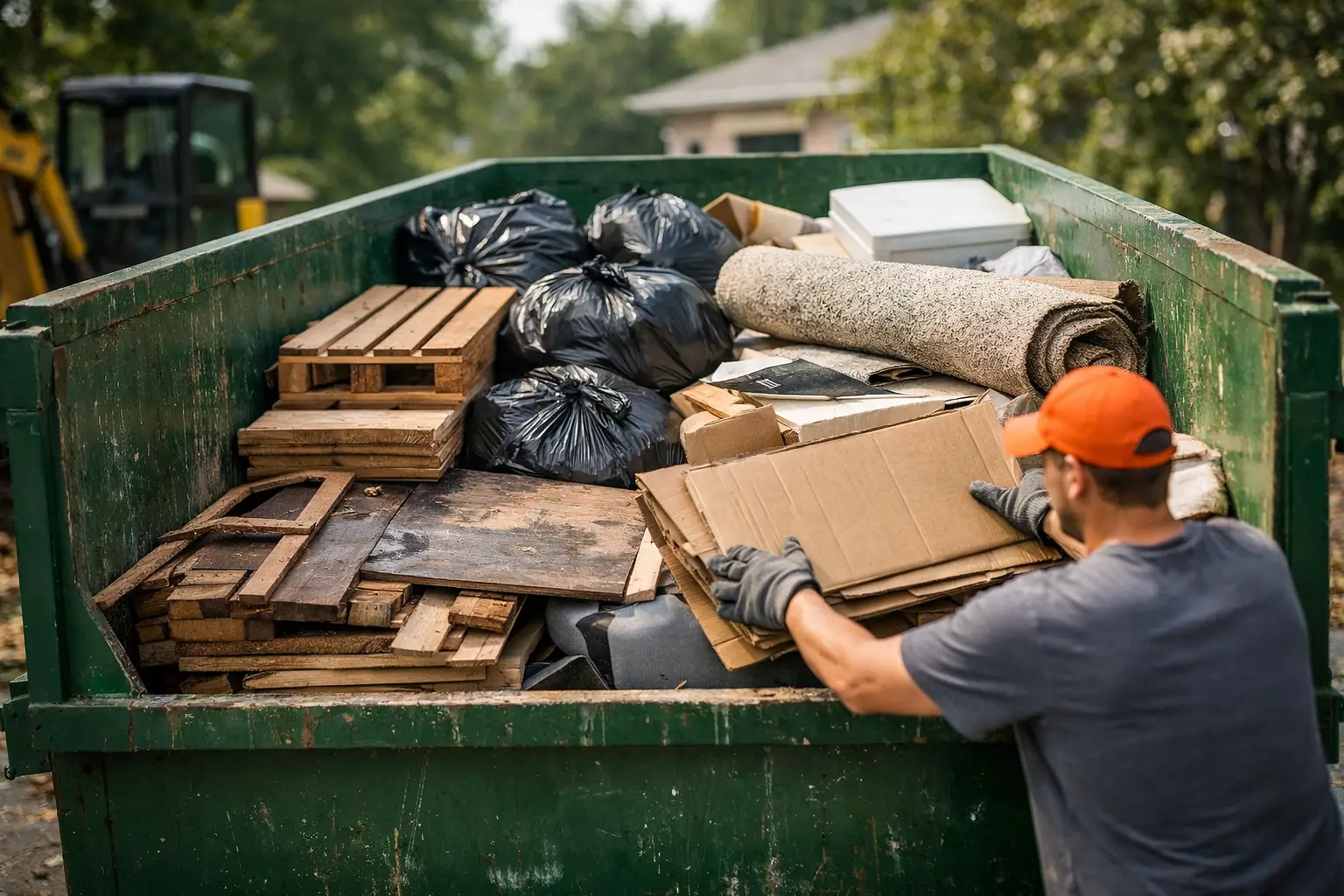
A rental dumpster can make a renovation, cleanup, or property turnover much easier - unless the bin fills up before the job is done. Knowing how to load a rental dumpster properly helps you fit more material, keep the pickup on schedule, and avoid the frustration of an overloaded container.
The goal is not to pack every inch as tightly as possible. It is to load safely, keep materials within the container, and use the available space in a way that works for both your crew and the truck that hauls the bin away.
Start With a Clear Loading Plan
Before anyone starts throwing debris in the bin, take five minutes to look at what needs to go. Separate heavy materials from light, bulky materials. Set aside anything that may need special disposal, such as paint, chemicals, batteries, propane tanks, tires, or electronics. These items often cannot go in a general waste dumpster and can create delays at pickup.
If your project includes concrete, brick, asphalt, soil, or clean fill, do not assume it can be mixed with general renovation debris. Heavy materials require the right bin type and usually need to be loaded differently because weight adds up quickly. A container that looks half full can still be too heavy to haul safely.
For a basement cleanout or kitchen renovation, your plan may be simple: heavy items first, then flat materials, then loose debris. For a larger demolition or construction project, create separate piles before the bin arrives. That keeps the loading area organized and prevents workers from having to dig through waste later.
Load Heavy Materials First and Keep Them Low
The first rule of how to load a rental dumpster is simple: put dense, heavy debris on the bottom. Concrete pieces, bricks, roofing shingles, lumber, drywall, and large furniture frames should go in before lighter materials such as cardboard, insulation, plastic, and bagged household clutter.
Distribute weight across the floor of the container rather than building one heavy pile near the door or one sidewall. An uneven load can make the bin harder to transport and may cause material to shift when it is lifted onto the truck.
With especially heavy waste, less is often more. A smaller bin filled with concrete may be a better choice than a large mixed-waste bin loaded with too much dense material. If you are unsure whether your material needs a dedicated concrete, asphalt, or clean fill bin, ask before booking. Getting that detail right can prevent a costly reload or disposal issue.
Break Down What You Can
Air is expensive when you are paying for container space. Break down boxes, dismantle lightweight furniture, and remove table legs, cabinet doors, and shelving when practical. A couch or mattress may need to stay intact, but a bulky entertainment unit can often be taken apart in minutes.
Flatten drywall scraps and stack them in layers. Lay lumber flat whenever possible, alternating directions to reduce gaps. Place long pieces along the bottom or sides of the dumpster, but do not let them stick out over the top edge.
This does not mean every item needs to be reduced to pieces. Time matters on a job site, and there is a point where extra labor is not worth the space you save. Focus on the items that create the biggest voids: cardboard, cabinets, wood framing, shelving, and awkward furniture.
Use the Empty Spaces Deliberately
Once the large, flat, and heavy items are in place, fill the gaps with smaller debris. Bags of insulation, loose trim, small wood scraps, and boxed items can fit between larger pieces without creating unstable piles.
Avoid tossing small debris into the bin first. When loose material lands on the bottom, it can make it harder to stack larger items flat later. Think of the dumpster like a moving box: large, solid pieces create the base; smaller items fill the open pockets.
Keep All Debris Below the Top Rail
A dumpster is not considered safely loaded just because the material is mostly inside. Nothing should extend above the top rail or hang out of the sides or rear of the container. Overfilled bins can be unsafe to cover, unsafe to transport, and subject to extra handling before pickup.
It can be tempting to add one more mattress, a few more bags, or a final pile of siding after the bin looks full. That last layer is where problems usually start. Material can shift in transit, fall onto the road, or prevent the driver from securing the load.
If you are approaching the top edge, stop and assess the remaining debris. Depending on the amount and material, it may make more sense to schedule another bin, arrange an additional pickup, or save a small load for a separate disposal plan. A level load is almost always easier and safer than trying to force extra material into an already full container.
Load From the Back and Work Forward
Most roll-off dumpsters have a rear door that allows you to walk heavy items into the container instead of lifting them over the side. When the door is available for loading, start at the far end of the bin and work your way back toward the door. This helps prevent an unusable pile from forming at the entrance.
Place heavy items carefully rather than dropping them from a height. Dropping concrete, appliances, or demolition debris can damage the bin, create dangerous ricochet, or make the load uneven. Use a dolly, wheelbarrow, or a second set of hands for items that are difficult to control.
As the bin fills, leave yourself enough room to exit safely. Do not climb on unstable debris to reach an open corner. If you cannot place an item securely without stepping onto a shifting pile, it is time to change the loading approach.
Protect the Driveway and the Work Area
The dumpster company should place protective boards under the container where appropriate, but customers can still help protect the property during the rental. Keep sharp debris, exposed nails, and broken glass contained inside the bin rather than scattered around the loading area. Sweep regularly, especially after demolition work or when loading from a wheelbarrow.
Leave clear access around the dumpster. A pile of debris blocking the door makes loading harder, while parked vehicles, trailers, or equipment can interfere with pickup. The truck needs enough room to safely reach, lift, and remove the container.
In neighborhoods throughout Newmarket and surrounding communities, driveway space can be limited. Planning the placement before delivery gives you a better path for moving debris and helps avoid loading everything from the far side of the property.
Do Not Hide Prohibited Materials in the Load
A general waste dumpster is designed for ordinary renovation and cleanup debris, not every material found around a home or job site. Hazardous or regulated items can affect where a load is accepted and how it must be handled.
Before loading, confirm the rules for items such as paints and solvents, fuel containers, batteries, fluorescent bulbs, chemicals, propane cylinders, tires, electronics, and appliances containing refrigerants. The right answer depends on local disposal requirements and the type of bin you rented.
It is also worth checking whether the project produces recyclable materials in significant quantities. Clean concrete, asphalt, metal, cardboard, and clean wood may have different disposal options than mixed debris. Separating them can keep the job cleaner and may be the most practical choice for larger projects.
A Full Bin Should Still Be Ready for Pickup
Before pickup day, take one final walk around the dumpster. Make sure the load is level with or below the top rail, the rear door is closed and secured, and no materials are leaning outside the container. Remove anything placed on the ground near the bin that could block truck access.
If weather is expected, cover lightweight material if you can do so safely. Rain can make drywall, cardboard, and other absorbent debris heavier. Wind can carry loose insulation, packaging, and plastic out of an open container.
A well-loaded bin keeps cleanup moving instead of creating another task at the end of the project. Load the heavy material low, stack flat items with intention, keep the top clear, and ask questions before mixing waste streams. That little bit of planning gives you more usable space and a smoother pickup when the work is done.