
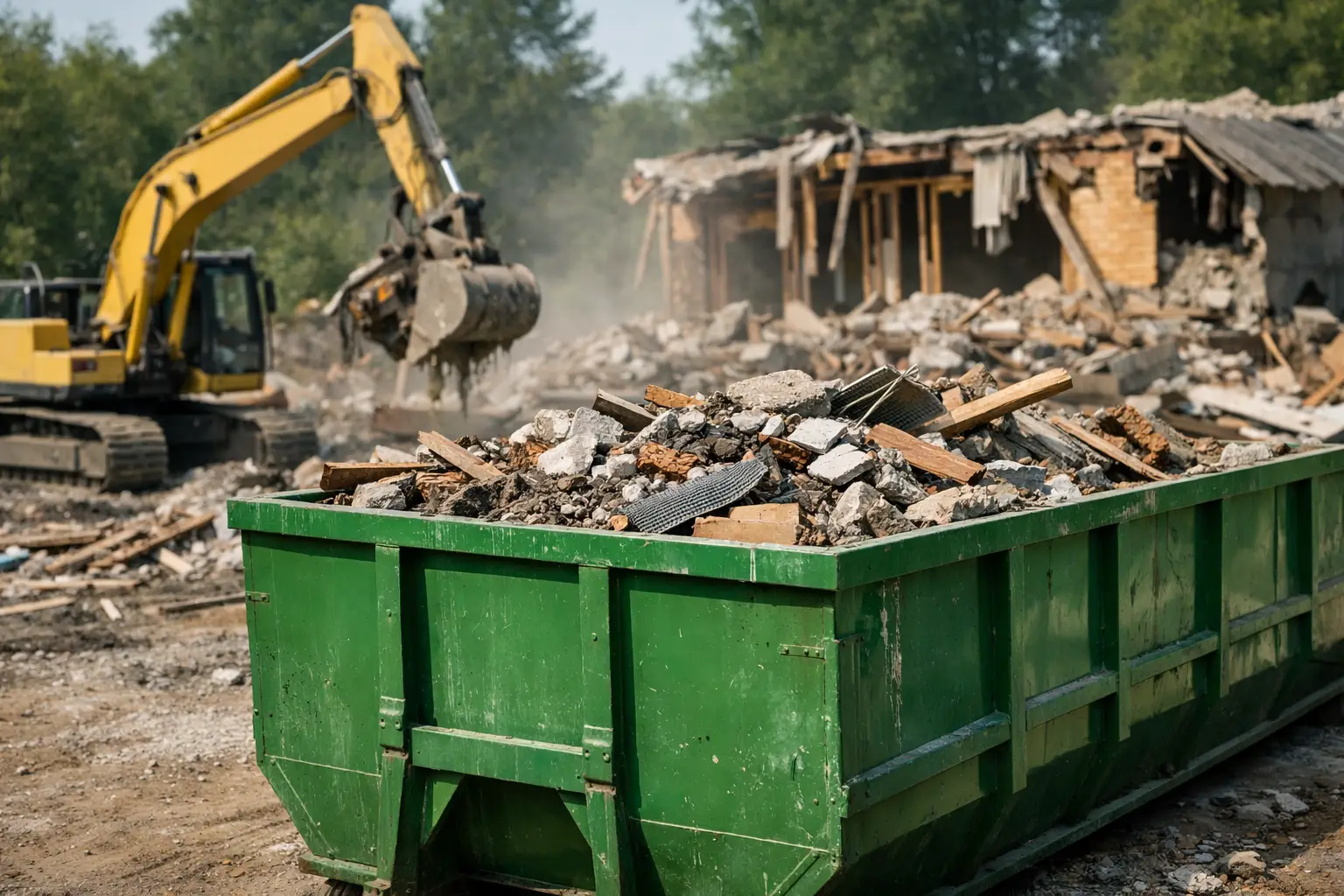
Tearing out a kitchen, removing a deck, or gutting a basement gets messy fast. A dumpster rental for demolition debris keeps that mess contained from day one, which matters more than most people expect once wood, drywall, flooring, insulation, and broken fixtures start piling up.
For homeowners, that usually means fewer trips to the dump and a safer driveway or yard. For contractors, it means less downtime, cleaner job sites, and a better shot at staying on schedule. The right bin makes demolition cleanup simpler, but only if you match it to the material, the volume, and the pace of the job.
Why dumpster rental for demolition debris matters
Demolition waste is not like everyday household junk. It is heavier, bulkier, sharper, and often more mixed than people expect. One room demo can create a surprising amount of material in a short time, especially once cabinets, tile, drywall, trim, and subfloor come out together.
Without a plan for disposal, debris tends to spread. It ends up stacked in the garage, filling a trailer, blocking walkways, or sitting exposed to weather. That slows the job down and creates safety issues for everyone on site.
A dedicated dumpster gives the project one place for waste from the start. That sounds simple, but it changes how efficiently a demo runs. Crews spend less time moving piles around, homeowners keep the property more organized, and pickup can happen as soon as the bin is full.
Choosing the right dumpster size for demolition debris
Size is one of the biggest decisions, and it is where many projects either save money or create avoidable headaches. If the bin is too small, you may need an extra haul or a second container. If it is too large, you may pay for more capacity than you need.
A smaller bin often works for bathroom demos, small flooring removal jobs, or single-room tear-outs. Mid-size bins are a common fit for kitchen renovations, basement demos, and deck removals. Larger bins make more sense for full interior gut jobs, major renovation debris, and heavier mixed demolition materials.
The tricky part is that volume is only half the story. Weight matters just as much. Drywall, plaster, tile, concrete, brick, and roofing can fill a bin quickly by weight even if the container does not look packed to the top. Lighter materials like wood framing or insulation take up more space but may stay within weight limits more easily.
That is why quote-based booking helps. A local bin rental company can ask the right questions about the project before recommending a size. If you are removing a shed, old fence, and broken patio stones, the best option may be different than if you are just demoing a finished rec room.
Mixed debris or separated materials?
This is where demolition projects can get more specific than many customers expect. Some jobs create mixed waste, while others involve a large amount of one material, such as concrete, asphalt, soil, or clean fill.
If your debris is mostly general demolition material, a mixed waste bin is often the most practical choice. It lets you load common renovation waste into one container without overcomplicating the job. That is a good fit for many home remodels and light commercial tear-outs.
If the project includes heavy masonry, concrete slab removal, asphalt, or clean fill, a dedicated material bin may be the better route. These materials are dense, and disposal requirements can be different. Trying to treat everything as mixed demolition debris can raise costs or cause delays if the load is not acceptable for that waste stream.
It depends on the job. A contractor doing a clean concrete breakup has different disposal needs than a homeowner tearing out a bathroom with tile, vanity, drywall, and old fixtures all mixed together. Getting that call right early avoids problems later.
What can usually go in a demolition dumpster
Most demolition bins are built to handle common construction and renovation waste. That usually includes wood, drywall, flooring, trim, cabinets, doors, sinks, toilets, insulation, shingles, siding, and similar job site debris.
Some materials may need special handling or may not be accepted in the same bin. Items like paint, solvents, chemicals, asbestos-containing materials, propane tanks, batteries, and certain electronics often fall into separate disposal rules. Appliances can also depend on the item and local handling requirements.
This is one area where guessing can cost you time. If a questionable item ends up in the bin, pickup may be delayed until it is removed. A quick check before delivery is a lot easier than sorting through a loaded container later.
Placement matters more than people think
A demolition bin should be convenient, but it also needs to be placed where loading is safe and practical. The ideal spot usually gives easy access from the work area while keeping enough room for delivery and pickup.
For residential projects, the driveway is often the best choice. It keeps the bin close, reduces wheelbarrow travel, and avoids tearing up lawns. Property protection matters here. A company that includes driveway protection helps prevent surface damage and gives homeowners more confidence when placing a heavy container on finished pavement.
For contractor jobs, bin placement should support the flow of the site. Too far away and labor time gets wasted. Too close to active work zones and it can interfere with trades, material deliveries, or safe movement around the property.
Street placement may be possible in some situations, but it can involve local rules or permits. That is another reason to sort logistics out before the demo starts instead of after the debris begins piling up.
Timing your rental the smart way
The best time for dumpster delivery is usually just before demolition begins. Too early, and the bin may sit unused while eating into the rental window. Too late, and debris starts collecting on the ground, in trailers, or inside the structure.
For short, focused jobs, having the dumpster onsite at the start keeps cleanup moving in real time. For larger projects, timing may depend on how the work is phased. Some crews want a bin for initial teardown, then another later for finishing waste.
If the project timeline is tight, fast local delivery makes a real difference. That responsiveness matters most when demolition expands beyond the original plan, which happens often. A simple powder room demo can turn into subfloor replacement. A deck removal can uncover damaged framing. Once that happens, waste volume changes quickly.
Common mistakes that lead to extra costs
Most dumpster rental problems come from a few predictable issues. One is underestimating the amount of debris. Another is mixing restricted items into the load. A third is overloading the container with heavy material.
There is also the tendency to choose based only on the lowest upfront price. That can backfire if the rental does not fit the material type, weight, or project schedule. A cheaper bin that requires a second haul is not really the cheaper option.
Communication helps here. If you explain what you are demolishing, how much material you expect, and whether the debris is mixed or heavy, the recommendation is usually much more accurate. That is especially useful on renovation jobs where both bulky and dense materials are involved.
Dumpster rental for demolition debris for homeowners and contractors
Homeowners usually want a rental process that feels simple. They need to know what size to get, where the bin can go, and what they are allowed to toss inside. They also want to avoid damage to the driveway and avoid wasting weekends on landfill runs.
Contractors tend to look at the same service through a different lens. They need dependable drop-off and pickup, clear material guidance, and pricing that makes sense for repeat jobs. They also need a local company that answers the phone and understands how quickly conditions can change on an active site.
That is why a practical, local approach works well for demolition cleanup. Forever Green Bin Rental serves projects like these with straightforward bin options, fast delivery, and property protection built into the rental. For both homeowners and trades, that kind of service removes friction from a part of the job that can otherwise become a bottleneck.
The best dumpster rental is not just the one that holds the debris. It is the one that fits the material, arrives when you need it, and gets out of the way so the work can keep moving.