A landscaping job can look simple until the pile starts growing. One day it is a few wheelbarrows of soil, broken patio stone, and leftover gravel. By the weekend, you are staring at a driveway full of heavy material and wondering where any of it is supposed to go. That is where clean fill dumping Newmarket property owners and contractors ask about most often becomes a practical question, not just a disposal detail.
Clean fill is one of those terms people hear all the time during excavation, grading, and hardscaping work, but it is often misunderstood. If the material is truly clean, disposal can be more straightforward and more cost-effective than mixed waste. If it is not, the load can be rejected, delayed, or priced differently. Getting that part right early saves time, protects your schedule, and helps you book the right bin the first time.
What clean fill dumping in Newmarket usually means
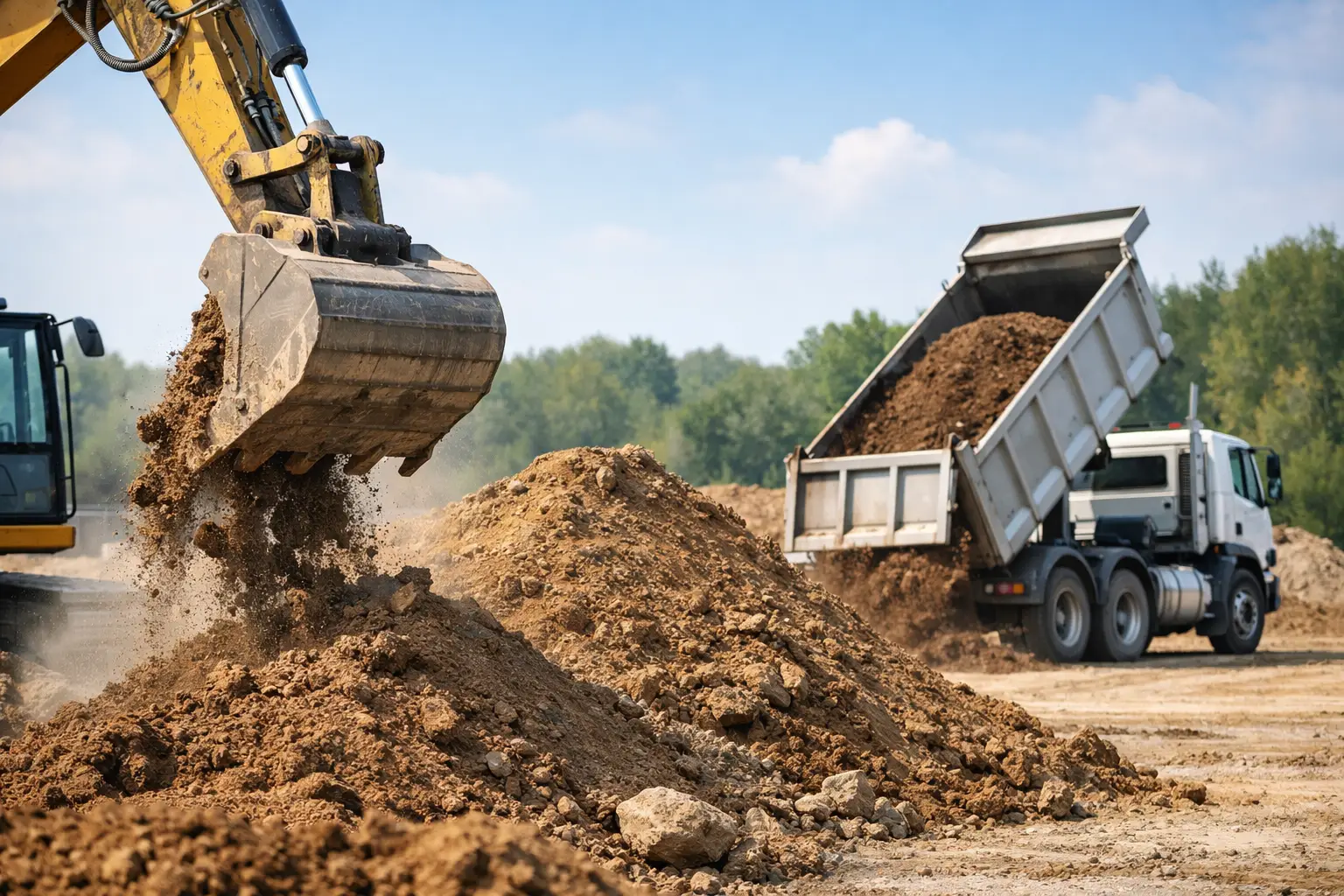
Clean fill generally refers to inert material that is free from garbage, organic waste, and contamination. In most real job-site situations, that means soil, clay, sand, gravel, stone, and similar earth-based material. It may also include small amounts of sod depending on the disposal site, but that is not something to assume.
The key point is that clean fill is not just "stuff from the ground." It has to be separated from mixed debris. If your pile includes plastic, wood, roots, insulation, household junk, asphalt shingles, painted material, or demolition waste, it usually stops being clean fill.
This matters because disposal sites sort by material type for a reason. Clean fill can often be handled differently from general construction debris, but only when the load is actually clean. A mixed pile slows everything down and usually costs more to manage.
What can go into a clean fill bin
For most residential and contractor projects, clean fill bins are meant for heavy, dense material that comes from digging, grading, or surface removal. Typical accepted material includes dirt, clay, sand, gravel, rocks, and unpainted concrete or stone if the provider offers separate handling for those loads.
There is always some job-specific judgment involved. For example, a backyard leveling project may produce mostly soil and sod. A patio replacement may create dirt, screening, and chunks of interlock base. A trenching job may produce clay mixed with small stones. Those can still be workable loads, but only if the material stays within the provider's accepted stream.
That is why asking first is better than guessing. Heavy material is not forgiving. Once it is loaded into the wrong bin, changing course becomes expensive and time-consuming.
What does not belong in clean fill
The biggest problems come from contamination. Even a small amount of the wrong material can change the entire load. Pressure-treated wood, plastic wrap, metal scraps, garbage bags, food waste, drywall, and carpet are obvious no-go items. Less obvious problems include roots, brush, topsoil with a lot of organics, and soil mixed with construction debris.
Concrete and asphalt also deserve special attention. Some companies handle them in dedicated bins because they are recyclable and very heavy. That does not make them interchangeable with clean fill. If your project includes broken driveway sections or asphalt removal, that usually belongs in a separate material stream.
Why the right bin matters for clean fill dumping Newmarket jobs
Heavy material changes the math fast. A bin that works for a garage cleanout is not automatically right for excavation spoil. Soil, gravel, and broken concrete add weight long before they fill up visible space. That is why clean fill bins are often smaller than general waste bins. The limit is usually about weight, not volume.
For homeowners, this is where many projects go off track. A person sees a moderate-sized pile and assumes a large bin is best. In reality, a smaller container may be the safer and smarter choice because it can handle the material without overloading. For contractors, the issue is usually efficiency. The goal is to match the bin size and waste stream to the scope of work so crews can keep moving without sorting the pile twice.
There is also a property protection piece. Heavy bins need careful placement, especially on residential driveways. A local provider that includes driveway protection helps reduce the risk of scraping, cracking, or pressure damage during delivery and pickup. That detail matters more with clean fill than with lighter household debris.
Common projects that need clean fill disposal
Clean fill dumping is rarely a one-size-fits-all service because the source material varies by project. Still, there are a few common situations where it comes up.
Backyard grading is a big one. If you are reshaping a yard, cutting out a slope, or removing excess soil after drainage work, the material adds up quickly. Basement or foundation excavation also produces large volumes of dirt and clay. The same goes for fence post drilling on a bigger site, trenching for utilities, and landscaping upgrades that involve removing old base layers.
Hardscape jobs can be a little more complicated. A patio tear-out may create a mix of stone, gravel, sand, and soil. If the materials stay separated, disposal is easier and usually more economical. If they get blended with wood, packaging, or household junk, the cleanup becomes a mixed-load problem.
How to avoid extra costs and delays
The easiest way to keep a clean fill job simple is to sort at the source. That means setting aside soil and earth-based material from the start instead of tossing everything into one pile. It sounds basic, but it is the difference between straightforward disposal and a rejected load.
It also helps to be honest about what is in the material. If you are not sure whether a pile contains roots, broken asphalt, or demolition scraps, say so when you book. A good bin provider would rather steer you to the correct option than have your project stalled later.
Access matters too. Clean fill is heavy, so bin placement should be planned before delivery. Make sure the drop area is clear, stable, and easy for the truck to reach. On residential properties, that usually means checking driveway space, overhead clearance, and where the material will be loaded from. A bin placed too far from the work area creates unnecessary labor. A bin placed badly can slow pickup or create safety issues.
It depends on the material and the timeline
Not every clean fill job should be handled the same way. If you have only a small amount of dense material, a dedicated small bin may make the most sense. If you are doing phased work over several days, timing your swap or pickup matters just as much as choosing the initial size. And if your material is partly clean fill and partly concrete or asphalt, separate bins may be the better value.
That is where local service has a real advantage. A provider that works these projects every day can help you choose based on weight, access, and pickup timing, not just a generic chart.
When to ask questions before booking
If your project includes any uncertainty, ask before the bin arrives. That includes soil with visible roots, fill from an older property, mixed hardscape debris, or material that may contain contaminants. The same goes for commercial sites where the source material is less predictable.
A quick conversation upfront usually clears up the biggest issues: what qualifies as clean fill, whether concrete or asphalt needs its own bin, how much weight the container can safely carry, and where the bin should be placed. That is the practical side of good service. It keeps your project on schedule and prevents surprises on pickup day.
For homeowners and contractors in the area, working with a local company like Forever Green Bin Rental can make that process easier because the guidance is based on real job conditions, not a call center script.
Clean fill disposal is one of those parts of a project that feels minor until it holds everything up. If you keep the material separated, choose the right bin for the weight, and ask about anything questionable before loading, the whole job gets easier from there.