If you are tearing out a concrete pad, digging up a section of yard, or removing old interlock, the wrong bin can slow the whole job down. A clean fill bin rental is meant for heavy materials that can be separated from general waste, and that separation matters more than most people expect. It affects disposal costs, pickup timing, and whether your load can be accepted as planned.
For homeowners, that usually shows up as confusion at the driveway. For contractors, it shows up as downtime, reloading, or added charges. The good news is that clean fill is straightforward once you know what belongs in the bin and what does not.
What a clean fill bin rental is for
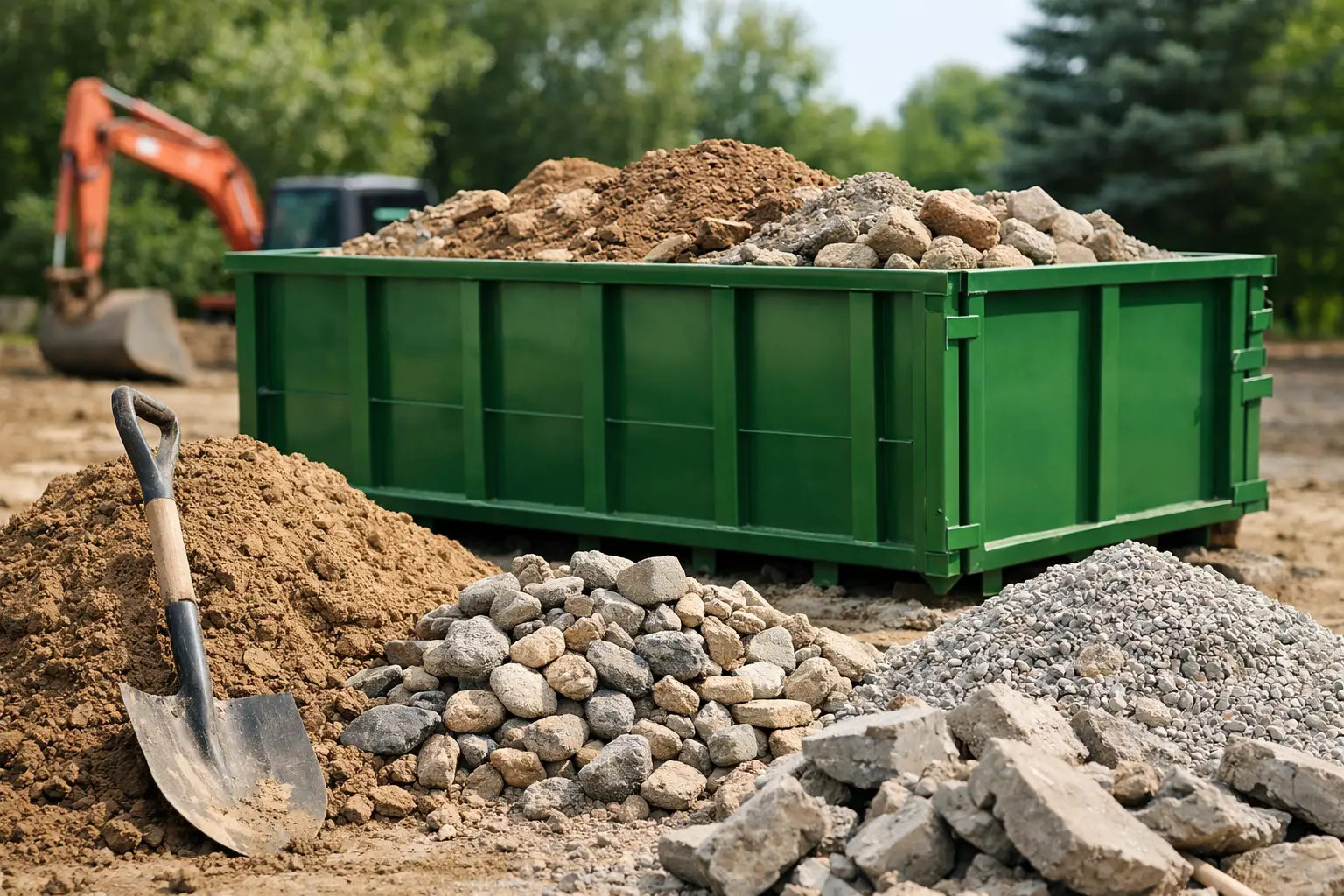
A clean fill bin rental is designed for inert material from excavation, hardscape removal, and similar cleanup work. In plain terms, this usually means soil, dirt, clay, sand, gravel, concrete, asphalt, brick, stone, and similar heavy debris that is not mixed with household garbage or renovation waste.
The key word is clean. That does not mean washed or spotless. It means the load is free from contamination. A few scraps of wood, plastic wrapping, insulation, food waste, or general trash can change how the material has to be handled. Once that happens, the load may no longer qualify as clean fill.
That is why this bin type is often the right fit for landscaping work, driveway removal, pool removal prep, grading projects, patio tear-outs, and excavation jobs. These projects create dense material that needs a bin built for weight and a disposal plan built for separation.
What can go in a clean fill bin
The easiest way to think about it is this: if the material came from the ground or is a hard, heavy building material with no mixed trash attached, it may belong in a clean fill bin. Soil is one of the most common examples. So are clay, sand, gravel, and small rocks.
Concrete and asphalt are also common, especially during demolition of walkways, garage floors, curbs, and driveways. Brick, patio stone, and interlock often qualify too, depending on how mixed the load is and whether other waste has been thrown in with it.
Sometimes customers assume sod, roots, pressure-treated wood, fencing, or bagged yard waste count as clean fill because they came from outside. Usually, they do not. Organic debris and mixed site waste can contaminate the load. If your project includes both excavation material and general debris, it may make more sense to use separate bins instead of trying to force everything into one.
What should stay out of the bin
This is where mistakes happen. A clean fill bin should not be treated like a catch-all for whatever is left on site. Drywall, lumber, metal scraps, household junk, shingles, carpet, insulation, packaging, and demolition debris from interior renovations do not belong there.
The same goes for materials that may require special handling, such as paint cans, chemicals, fuel containers, or anything hazardous. Even if those items are only a small part of the load, they can create disposal issues and delay pickup.
There is also a gray area with materials that look harmless but still cause problems. Concrete with heavy rebar, large mixed chunks of soil and garbage, or asphalt full of loose debris may need different handling. This is one reason a quick conversation before delivery can save time later.
Why separating clean fill saves money
Heavy bins are priced differently for a reason. Dirt, concrete, and asphalt weigh far more than household junk or light renovation debris. A bin that looks half full can already be carrying a serious load. That affects hauling, disposal, and safe transport.
When material is truly clean and sorted correctly, disposal is usually more efficient. That can help keep pricing more predictable. When loads are mixed, the material may have to be redirected, sorted differently, or treated as general waste. That is where extra costs often appear.
For smaller residential projects, this matters because one wrong choice can turn a simple weekend cleanup into an expensive redo. For contractors, it matters because the job estimate depends on getting the right waste stream into the right bin the first time.
When a clean fill bin rental makes the most sense
Not every outdoor project needs this type of bin. If you are cleaning out a shed, removing old furniture, or doing a basement renovation, a general waste bin is usually the better choice. Clean fill bins make the most sense when the material is heavy, uniform, and mostly inert.
A few common examples are removing a cracked driveway, digging out soil for a retaining wall, tearing up a concrete walkway, or replacing a patio. It is also a practical option when a landscaping crew is generating a steady amount of dirt, stone, or broken hardscape over several days.
In areas like Newmarket, Aurora, Bradford, and surrounding communities, a lot of residential work involves driveways, grading, backyard upgrades, and exterior demolition. Those are the kinds of jobs where correct bin selection keeps the site cleaner and the schedule tighter.
Size matters more with heavy material
People often focus on volume when choosing a bin, but with clean fill, weight matters just as much. Heavy material fills up the allowable weight quickly, sometimes long before the container looks full. That is why smaller bins are often the right answer for dirt, concrete, and asphalt.
A larger bin is not always better. It might seem more convenient, but overloading heavy debris creates problems for safe pickup and transport. A smaller container can actually be more efficient if it matches the density of the material.
This is where local guidance helps. A straightforward quote based on your material, job type, and timeline is usually better than guessing based on bin size alone.
Common mistakes that cause delays
One of the biggest mistakes is mixing materials after the bin arrives. A crew starts with soil, then someone tosses in wood, plastic, or demolition scraps because there is extra room. That small shortcut can change the whole load classification.
Another common issue is underestimating how much weight a project will generate. A short section of concrete or a pile of wet soil can add up fast. If the bin is loaded too high or too heavy, pickup may need to be adjusted.
Placement is another factor people forget. Heavy material bins should go where the truck can access them safely and where the load can be removed without damaging surrounding surfaces. This is also why built-in driveway protection is not a small detail. It helps protect the property while keeping delivery practical.
How to book the right bin without overthinking it
You do not need to memorize disposal rules before calling. What helps most is being clear about the project. Say whether you are removing soil, concrete, asphalt, brick, or a mix of materials. Mention whether the load is clean or whether there may be roots, garbage, or renovation debris mixed in.
It also helps to estimate the scope honestly. Is this a small backyard dig-out, a full driveway replacement, or a multi-day contractor job? The more accurate the description, the easier it is to match the right container and avoid surprises.
At Forever Green Bin Rental, that practical approach is the point. Fast local delivery, quote-based booking, and driveway protection make the rental process simpler, but the real value is getting the right bin for the material so the job keeps moving.
A clean fill bin rental works best when the load stays clean
That sounds obvious, but it is the whole decision. If your debris is mostly soil, concrete, asphalt, brick, or stone, a clean fill bin rental is often the most efficient option. If your project also creates lumber, drywall, packaging, or household waste, separate that material early instead of dealing with problems later.
The best cleanup jobs are not the ones with the biggest bins. They are the ones where the material is sorted properly, the bin is sized for the weight, and pickup happens without any last-minute fixes. If you are not sure what your project needs, ask before the bin is dropped off. A five-minute conversation can save you a full day of cleanup trouble.