A contractor bin rental service is not just a place to put debris. On an active renovation, demolition, or build site, the right bin keeps work areas safer, crews productive, and materials moving out before they become a problem. The wrong bin size, a late pickup, or unclear disposal rules can create delays that cost more than the rental itself.
For contractors, the best rental experience is simple: the right container arrives when it is needed, sits where it can be loaded safely, and is removed without disrupting the next phase of work. That requires more than choosing the biggest bin available. It means matching the bin, waste stream, delivery timing, and site conditions to the job.
What a Contractor Bin Rental Service Should Handle
A dependable bin provider should make cleanup logistics easier, not add another task to your list. Before booking, you should be able to explain the project, the materials involved, and the expected timeline, then receive a clear recommendation on bin size and type.
This matters because construction debris is rarely all the same. A kitchen renovation may produce cabinets, drywall, flooring, packaging, and small amounts of lumber. A driveway removal project may involve heavy concrete or asphalt. A landscaping project may generate soil, sod, brush, or clean fill. Each material has different hauling, sorting, and disposal requirements.
A good contractor bin rental service asks the practical questions upfront. What is going into the bin? How much material is expected? Is the material heavy, bulky, or mixed? Where will the truck place the container? When will the bin need to be exchanged or picked up? Clear answers early prevent surprises later.
Choose the Bin Type Before You Choose the Size
Size matters, but material type comes first. A large bin is useful for light, bulky debris, while dense material can reach a legal hauling weight limit long before the container looks full.
General Waste and Mixed Debris
General waste bins work well for many renovation and cleanup projects. They are commonly used for lumber, drywall, old fixtures, carpeting, household debris, cardboard, and other non-hazardous materials. Mixed loads are convenient when a job produces several types of debris, but they may cost more to process than separated materials.
For a full interior renovation, a mixed-material bin is often the practical choice. It gives the crew one place to put debris as work progresses. The trade-off is that prohibited items must still stay out of the bin, and loads should not be packed above the top edge.
Clean Fill Bins
Clean fill bins are intended for uncontaminated soil, dirt, clay, and similar materials. They are useful for excavation, grading, pool work, and certain landscaping projects. Clean fill is only valuable when it is actually clean. Mixing in garbage, wood, plastic, roots, construction debris, or other contaminants can turn an inexpensive disposal option into a more complicated load.
If there is any doubt about what is being excavated, discuss it before delivery. Material from older properties, commercial sites, or areas with visible debris may require a different disposal plan.
Concrete and Asphalt Bins
Concrete, asphalt, brick, and block are heavy, so they generally need a dedicated bin. These materials can often be recycled when kept separate from garbage and other debris. That is good for disposal efficiency and can keep the job more organized.
Do not assume that a large container is the best option for heavy loads. A smaller bin may be safer and more appropriate because hauling limits apply. Your provider should help determine a size that works for both the amount of material and the weight of the load.
Match Bin Size to How the Job Will Actually Run
Contractors often estimate bin size based on the total scope of the project. That is a starting point, but the work sequence matters just as much. A larger bin can reduce the need for exchanges, but it also takes up more space and can be harder to position on a tight driveway or job site.
A 5-yard bin can be a smart fit for small demolition work, bathroom renovations, room cleanouts, or dense materials in limited quantities. Mid-size bins suit many kitchen renovations, basement projects, roofing cleanups, and moderate construction debris. Larger 20- or 25-yard bins are better for major interior gut jobs, framing debris, large cleanouts, and demolition waste that is bulky rather than extremely heavy.
Think about the disposal pace, not only the final volume. If demolition is completed in two days but framing starts immediately afterward, schedule pickup or exchange around that transition. Leaving a full bin on site for a week can block access, create clutter, and tempt other people to add materials that do not belong.
For longer projects, planned exchanges are often more efficient than trying to make one bin serve every stage. This is especially true when the waste stream changes from demolition debris to packaging, offcuts, and general construction waste.
Plan Delivery Around Access and Property Protection
The delivery location can affect the entire job site. A bin needs enough room for the truck to back in, place the container, and leave safely. Before booking, look for low branches, overhead wires, narrow gates, parked vehicles, soft ground, steep grades, and other obstacles.
Driveway placement is common for residential work, but it should be planned carefully. The bin should be close enough for efficient loading without blocking garage access, pedestrian paths, or deliveries. It should also be placed on a stable surface where it can be loaded safely.
Property protection should not be an afterthought. Boards or protective materials under the bin can help reduce contact pressure on paved surfaces. Forever Green Bin Rental includes driveway protection with every rental, which is a practical detail for contractors working at occupied homes where the condition of the property matters as much as the cleanup.
If placement on a street is necessary, check local permit requirements before the bin arrives. Rules can vary by municipality, street type, and rental duration. Handling that question early avoids a rushed decision on delivery day.
Keep Prohibited Materials Out of the Bin
The fastest way to complicate a bin rental is to load materials that require separate handling. Hazardous waste, chemicals, fuels, propane cylinders, batteries, paint, solvents, tires, and certain electronics are commonly restricted. Appliances, mattresses, refrigerants, and other special items may also have separate disposal rules or additional fees.
Do not rely on a crew member's guess when an item is questionable. Set aside uncertain materials and confirm how they should be handled. This is particularly important on renovation jobs where old paint, adhesives, insulation, lighting, or mechanical equipment may appear during demolition.
It also helps to assign one person to monitor the bin during busy phases of the project. On open residential sites, neighbors, passersby, or subcontractors may add unauthorized material. A quick check before pickup can prevent a surprise disposal charge and keep the load within accepted guidelines.
Get a Clear Quote and Ask About Timing
Price matters, but the lowest initial number is not always the lowest project cost. A useful quote should explain the bin size, rental period, included weight or disposal allowance where applicable, delivery and pickup expectations, and potential charges for extra weight, restricted items, or extended rental time.
Ask how much notice is needed for delivery, pickup, and bin exchanges. During busy construction periods, same-day service may not always be available, so it is wise to schedule around known demolition dates and inspection milestones. Local providers can often be more responsive when plans shift, but clear communication is still the best way to protect your schedule.
For recurring work, use the same waste plan across similar jobs whenever possible. Once you know which bin size works for a bathroom remodel, a deck tear-out, or a basement renovation, booking becomes faster and estimates become more accurate.
Make the Bin Part of the Job Plan
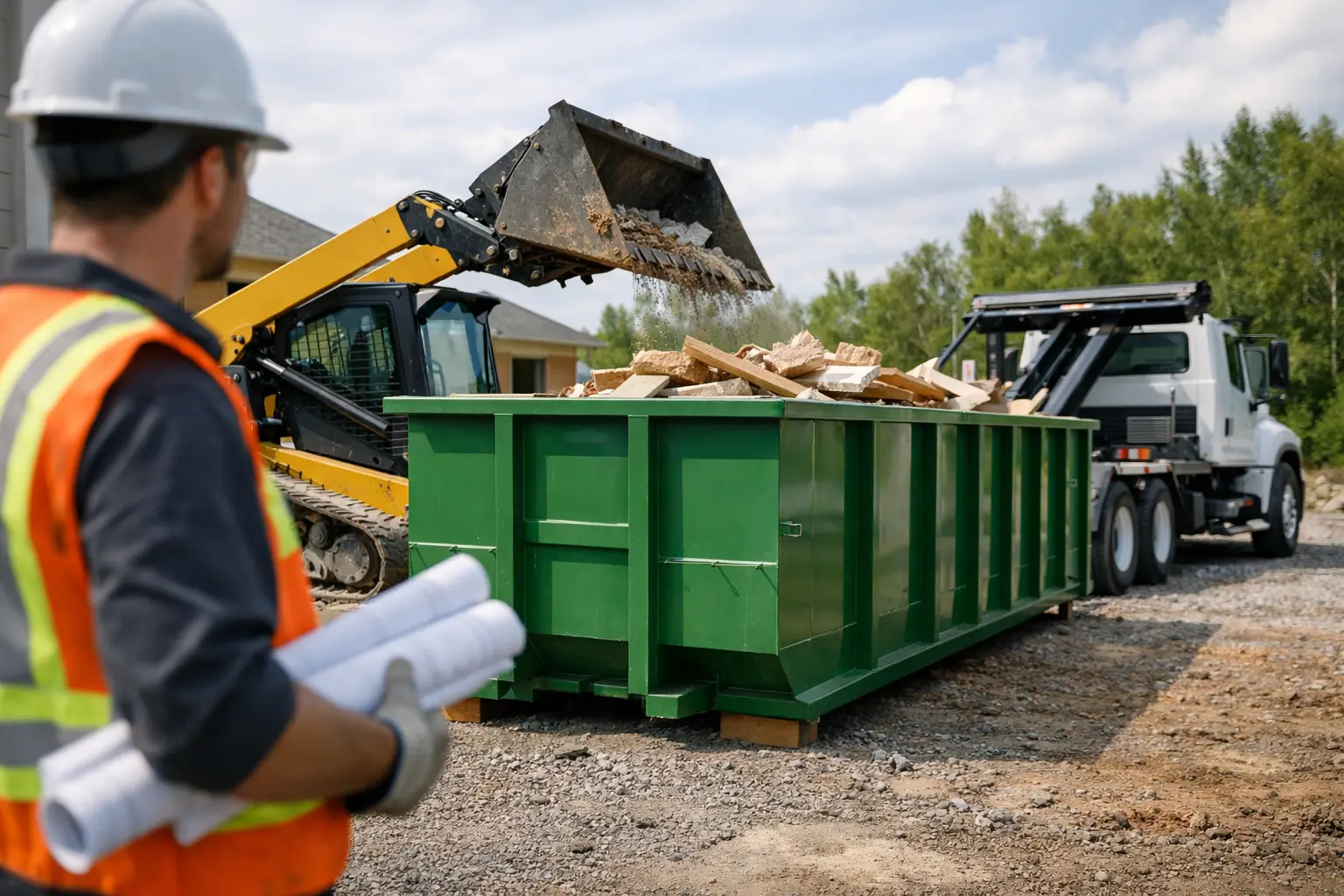
A bin works best when the crew treats it as part of the site setup, not a last-minute cleanup solution. Place it before demolition begins, keep materials sorted where practical, load heavy debris evenly, and do not fill above the rim. Those simple habits make pickup safer and help avoid avoidable delays.
The right contractor bin rental service gives you room to focus on the work in front of you. When delivery, disposal guidance, property protection, and pickup are handled properly, the site stays cleaner and the next stage of the project has space to move forward.