
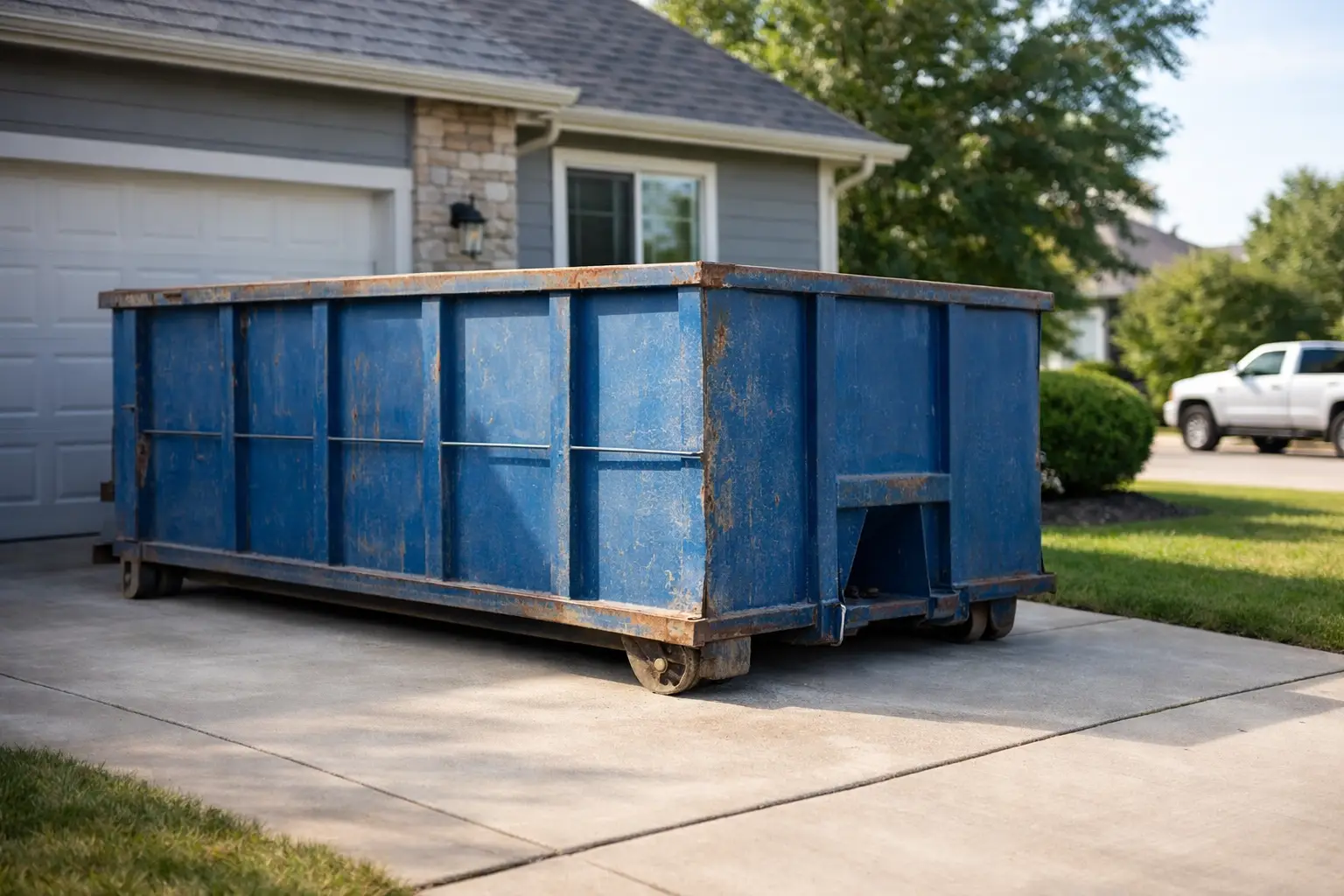
If you're clearing out a basement, tearing out a kitchen, or handling a roofing job, one practical question comes up fast: can a dumpster go on driveway space? In most cases, yes. For many homeowners and contractors, the driveway is actually the best place for a bin because it keeps the container close to the work area and off the street. The real answer depends on weight, surface condition, local rules, and whether the rental company takes steps to protect the property.
Can a dumpster go on driveway space safely?
Usually, yes - but safe placement is about more than just whether the bin fits. A driveway gives easy access for loading and pickup, and it often avoids the permit issues that come with street placement. That said, not every driveway is equally suited for a dumpster.
Concrete and asphalt driveways can generally handle a bin rental, especially for lighter household debris like furniture, drywall, boxes, and general junk. The risk changes when the load gets heavier. Concrete chunks, soil, brick, shingles, and mixed demolition debris put much more pressure on the surface. A small bin filled with dense material can weigh more than a larger bin filled with light cleanup waste.
This is why experienced bin providers ask about the job itself, not just the address. The right answer depends on what you're throwing out, how long the bin will stay, and what kind of surface it will sit on.
What matters before putting a dumpster on a driveway
The first thing to look at is the driveway condition. If the surface is already cracked, uneven, soft at the edges, or recently paved, it needs extra caution. Warm weather can also make asphalt more vulnerable, especially under a fully loaded bin. A strong, older concrete driveway may handle the weight better than a thin asphalt one, but there is no one-size-fits-all rule.
The second factor is bin size. People often assume the biggest concern is length or width, but weight is usually the bigger issue. A 5-yard or 10-yard bin used for a room cleanout is very different from a 14-yard or 20-yard bin filled with roofing shingles or concrete. Choosing a larger bin than you need can create placement issues. Choosing one that's too small can lead to overloading, which creates a different set of problems.
Access also matters. The truck needs enough clearance to deliver and pick up the dumpster without hitting cars, garage doors, low branches, wires, or basketball nets. A narrow or sloped driveway may still work, but it should be discussed before delivery instead of figured out on the spot.
Driveway protection makes a real difference
A dumpster should not be dropped directly onto a driveway without protection. That is where proper placement practices matter. Boards or protective materials placed under the contact points help spread the load and reduce the chance of scraping, denting, or marking the surface.
This is especially important for decorative concrete, interlock borders, asphalt in hot weather, and driveways with existing weak spots. Protection does not guarantee zero risk in every scenario, because debris weight and surface condition still matter, but it significantly lowers the chance of damage when the bin is set and removed correctly.
For homeowners, this is often the difference between a straightforward rental and an added repair bill. A company that includes driveway protection as part of the service is usually thinking about the whole job, not just dropping off a container and moving on.
When the driveway is better than the street
If your driveway can handle the bin, it is often the simpler option. Street placement may require municipal approval depending on where you live. It can also create issues with traffic, parking, snow removal, neighborhood access, or visibility.
A driveway placement keeps the container on your property and usually makes loading faster. That matters during a renovation when trades are moving in and out all day, or during a cleanup when you want to toss debris as you go instead of carrying it across a lawn or down a curb.
For contractors, driveway placement can also help keep a site cleaner and more organized. For homeowners, it usually means fewer moving parts and fewer permit questions.
When a driveway may not be the right spot
There are times when the answer is technically yes, but practically no. A steep driveway can make loading awkward and can affect how the bin sits. A soft or damaged asphalt surface may be too vulnerable. A driveway with very limited turning room may not allow for safe delivery. Shared driveways and townhome layouts can also create access issues.
There are also jobs where the material itself changes the recommendation. Clean fill, concrete, brick, and asphalt are heavy enough that placement needs extra care. In some cases, a different bin size or a specialized material bin is the better choice. In other cases, a street placement may make more sense if permits are available and the driveway is not ideal.
This is where local experience matters. A company that regularly delivers in suburban neighborhoods knows that two driveways on the same street can behave very differently under load.
How to know if your driveway can handle it
You do not need to be an engineer to make a good decision, but you should look at a few practical details before booking. Check whether the driveway is concrete or asphalt, whether there are visible cracks or weak edges, and whether the surface is level enough for the bin to sit properly. Think about what you're throwing out, not just how much. Weight matters more than volume for many projects.
It also helps to think about timing. If the driveway was recently sealed or paved, or if summer heat is making the asphalt soft, mention that before delivery. The same goes for winter conditions if snow or ice could affect placement.
For many jobs, a quick conversation about the material, bin size, and driveway type is enough to avoid surprises. That is usually better than booking online with no discussion and hoping the site works when the truck arrives.
What homeowners and contractors often get wrong
One common mistake is assuming any dumpster will work as long as it fits in the space. But the material inside determines a lot. Household junk, wood, and light renovation debris are different from dirt, concrete, or shingles. Another mistake is waiting until delivery day to move vehicles, trim branches, or clear access.
People also underestimate how much room the truck needs. The dumpster may fit neatly on the driveway, but the delivery truck still needs space to approach, tilt, and set it down safely. A low-hanging tree or parked car can turn an easy drop-off into a reschedule.
Finally, some customers focus only on price and overlook service details. A lower quote may not include the same level of driveway protection, guidance on the right waste stream, or help choosing a bin size that matches the job.
The best approach for a smooth delivery
If you are wondering whether your dumpster can go on the driveway, the best approach is simple: be specific about the project. Share the type of debris, the size of the area, and any concerns about the surface. Good bin rental service is not just about having containers available. It is about placing the right bin in the right spot without creating a new problem on the property.
For customers in places like Newmarket, Aurora, Bradford, and nearby communities, that local, hands-on approach matters because driveway layouts, neighborhood rules, and seasonal conditions all affect the job. A provider like Forever Green Bin Rental can usually spot potential issues early and recommend a safer setup before the truck is dispatched.
A dumpster can absolutely go on a driveway in many cases, and often it should. The key is making sure the surface, bin size, debris type, and placement method all line up. Get that part right, and the cleanup gets a lot easier from the first load to final pickup.