
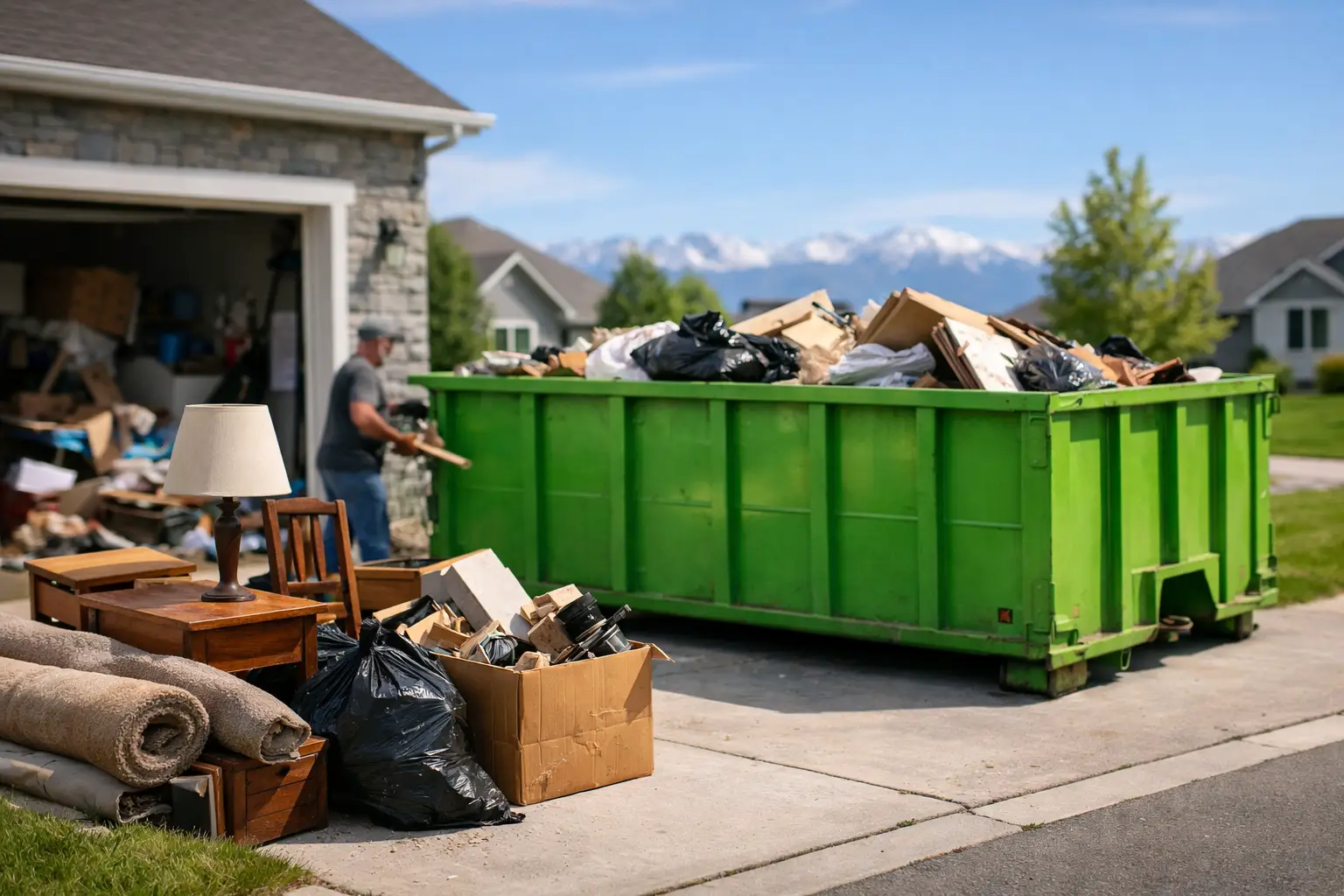
A garage packed with broken shelving, old paint cans, torn carpet, and boxes you have not opened in years can turn a simple cleanup into a full weekend of landfill runs. That is usually the point when an Aurora home cleanup dumpster starts making more sense than trying to haul everything away in a pickup or SUV.
For most home projects, the hard part is not the cleanup itself. It is figuring out how much waste you will generate, what kind of bin you actually need, and whether the material can all go into one container. If you choose too small a bin, the job slows down. If you choose too large a bin, you may pay for space you never use. The right rental keeps the project moving and cuts out guesswork.
When an Aurora home cleanup dumpster is the right call
Not every cleanup needs a roll-off bin. If you are clearing out one closet or getting rid of a few bags of yard debris, curbside pickup may be enough. A dumpster becomes the better option when the waste is bulky, heavy, or too much for regular collection.
That includes basement cleanouts, attic decluttering, estate clearances, pre-move cleanups, flooring removal, kitchen tear-outs, bathroom renovations, deck removal, and landscaping projects that generate mixed debris. It is also a practical choice when you want to finish the job in one pass instead of stacking junk in the driveway and dealing with it later.
Homeowners often underestimate volume. A few old cabinets, a vanity, drywall scraps, shelving, and carpet padding can fill space fast. The same is true for garage cleanouts. What looks manageable in piles can quickly turn into a full container once it is loaded efficiently.
Choosing the right dumpster size for home cleanup
Bin size is where most people hesitate, and for good reason. The right answer depends on both volume and material type. A small cleanout with light household junk may fit into a compact bin, while a renovation with drywall, wood, and old fixtures may need much more room.
A 5-yard bin is often enough for a single-room cleanout, a small bathroom demo, or a light decluttering job. It works well when space is tight and the waste stream is straightforward.
A 10-yard bin is a common fit for moderate home cleanups. If you are clearing out a basement, removing a small deck, or handling a flooring project in a few rooms, this size usually gives you enough capacity without taking up too much driveway space.
A 14-yard or 20-yard bin is often the safer choice for larger projects. Whole-home cleanouts, major downsizing, kitchen renovations, and bulky material from several rooms can fill a smaller container faster than expected. Contractors and renovators also tend to prefer this range because it leaves room for the unexpected.
A 25-yard bin is generally best for major renovation debris, demolition work, or large-volume cleanup on bigger properties. It can be the right call, but only when the project truly supports it.
If you are between sizes, it usually comes down to the cost of risk. Renting a slightly larger bin can be more efficient than ordering a second haul, but there are cases where a smaller bin with a targeted material type keeps disposal costs lower. Heavy waste is the main example.
Material matters more than most people think
The phrase home cleanup covers a lot of different waste. Old furniture, cardboard, clothing, and toys are very different from concrete, dirt, roofing, or asphalt. That matters because disposal methods, weight limits, and pricing can vary based on what goes into the bin.
General household cleanup is usually the most flexible. Mixed items from decluttering, non-hazardous junk, renovation debris, and general waste can often go into the same container, assuming they are accepted materials.
Heavy debris is different. Concrete, brick, soil, and asphalt can overload a large container long before it looks full. In those cases, a smaller dedicated bin is often the better fit. You get a safer load, a smoother pickup, and fewer surprises on the invoice.
This is where local guidance helps. A reliable bin provider will ask what you are throwing out before recommending a size. That is not sales pressure. It is how you avoid getting the wrong container for the job.
What you should not throw into a home cleanup dumpster
Most household and renovation debris is straightforward, but some materials need separate handling. Paint, solvents, chemicals, propane tanks, batteries, tires, and certain electronics often require special disposal. Appliances may also depend on local rules and whether refrigerants are involved.
This is one of the biggest reasons to ask questions before delivery day. If prohibited items end up in the bin, they can delay pickup or create extra charges. A quick materials check at the start is easier than sorting a full container later.
If your cleanup includes a mix of standard junk and a few restricted items, set those items aside from the start. That keeps loading simple and helps your project stay on schedule.
Where the dumpster should go
For most residential jobs, the driveway is the most practical placement. It keeps the bin close to the work area, cuts down on carrying distance, and makes loading faster. It also helps avoid street placement issues that can come with permits, traffic concerns, or neighborhood restrictions.
Placement is not just about convenience. It is also about protecting the property. A bin should sit on a stable, accessible surface with enough clearance for delivery and pickup. Low branches, parked vehicles, narrow gates, and soft ground can all create problems.
Driveway protection matters here. A well-run bin rental should account for that upfront, especially on residential properties where surface damage is a real concern. It is a small detail until it is your driveway.
How to load the bin without creating problems
A dumpster fills best when it is loaded with some planning. Start with flat, bulky items on the bottom, then stack lighter and irregular material to reduce air gaps. Break down furniture when possible. Cut long pieces of wood or drywall if they will sit awkwardly across the top.
Try to keep the load level. Overfilling a container can delay pickup because the bin must be safely transported. Material sticking up above the rim is a common issue on cleanup jobs where people keep squeezing in one more item at the end.
Weight distribution matters too. If all the heavy debris is piled on one side, pickup becomes harder and less safe. Spread dense material evenly and do not mix heavy loads into a general waste bin unless that has already been approved.
Timing your rental around the job
The best time to book a dumpster is usually just before the debris starts. Too early, and the bin sits in the way. Too late, and waste starts piling up around the house or job site.
For a planned renovation, delivery a day before demo often works well. For a decluttering project, weekend timing may make more sense if that is when the household can actually do the work. If weather could affect the cleanup, build in some flexibility.
Quick turnaround matters more than many people expect. Cleanup projects rarely follow a perfect schedule, and delays with waste removal can hold up the next phase. A local company with responsive scheduling can make a big difference here, especially when the project grows beyond the original plan.
Getting the best value from your rental
The cheapest quoted price is not always the best deal. What matters is whether the rental matches the project, includes the basics you need, and avoids preventable extras.
Transparent pricing starts with the right questions. What material are you loading? How long do you need the bin? How much debris do you expect? Will it go on the driveway? Those details shape the quote and help avoid changes later.
It is also worth looking at service, not just size. Fast delivery, dependable pickup, and property-safe placement are part of the value. For homeowners and contractors alike, a missed pickup or poor placement can cost more than the difference between two quotes.
If you are handling a cleanup in Aurora and want a simple process, this is where a local operator tends to stand out. Companies like Forever Green Bin Rental build their service around practical job needs, not generic call-center booking.
A better cleanup starts with the right bin
A home cleanup goes better when waste removal is planned early instead of treated like an afterthought. The right bin size, the right material stream, and the right placement can save time, protect your property, and keep the job from dragging out longer than it should.
If you are staring at a basement full of junk, renovation debris in the garage, or a yard project that is getting bigger by the hour, do not guess your way through disposal. Start with the bin that fits the work, and the rest of the cleanup gets a lot easier.