Dumpster Bin Rentals You Can Count On
Serving Newmarket, Aurora, Bradford, East Gwillimbury, and beyond
From junk removal to full-scale renovations, we deliver the right bin, right on time — with driveway protection included.
Choose the Right Bin Size for Your Cleanup Project
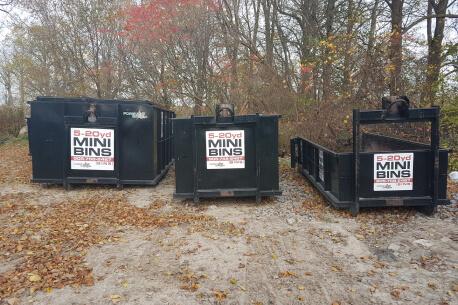
Whether you're clearing out a single room, remodeling your kitchen, or tackling a full home demolition, Forever Green Bin Rental has the perfect bin size for your job.
Our roll-off dumpsters are available in a variety of sizes to suit any residential or commercial project. From 5-yard bins for small cleanouts to 25-yard bins for major renovations, we've got you covered. Not sure what size you need?
Our team is here to help you choose the right bin so you don’t overpay or run out of space.
We proudly serve homeowners and contractors across York Region and South Simcoe, including Bradford, Newmarket, East Gwillimbury, Aurora, Keswick, and more.
TYPES OF RENTAL BINS WE OFFER
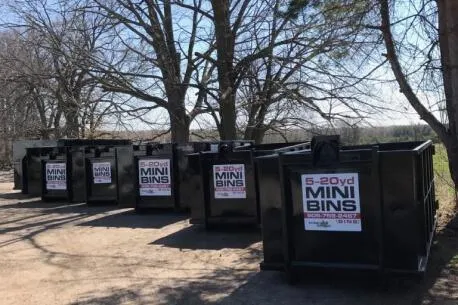
The right bin for the right material. Whether you're tackling a home renovation or managing a commercial construction site, choosing the correct bin is essential. At Forever Green Bin Rental, we offer specialized bins for household junk, clean fill, soil, concrete, asphalt, and more.
General Waste Bins – Suitable for furniture, appliances, renovation debris, and household junk.
Clean Fill Bins – Designed for clean materials like soil, dirt, or clay with no contaminants.
Concrete and Asphalt Bins – Built to handle heavy loads like concrete, asphalt, and bricks.
Mixed Material Bins – Ideal for projects with various types of waste that don’t fall into a single category.
If you’re unsure which bin type is best for your project, our team is happy to help you choose the right one.
Driveway Protection Included with Every Rental
Protecting your property is our priority.
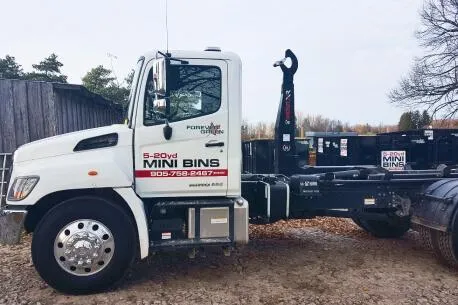
Even the most durable driveway can be damaged by the weight of a heavy dumpster bin. That’s why Forever Green Bin Rental includes protective boards with every bin rental — at no extra cost.
We take extra care to ensure your bin is placed safely and securely, helping to prevent cracks, scratches, or surface damage. It’s just one more way we go above and beyond for our customers.
Need a Dumpster Bin in a hurry?
We’ve Got You Covered.
From spring cleaning to major renovations, Forever Green Bin Rental is York Regions go-to choice for fast, affordable bin rentals.
CALL NOW: (905) 758-2467
OUR BIN RENTAL SERVICE AREA
Delivering Bins Across
York Region
Call us and we’ll deliver a dumpster bin straight to your doorstep.
News and Blogs
A Beginner’s Guide to Choosing the Right Waste Bin for Your DIY Project
You’ve decided to start a DIY project — maybe repainting your walls, tearing up old flooring, or finally fixing those kitchen cabinets. The excitement is real… right up until you realize you have no idea what to do with the piles of waste that follow. Wood scraps, paint tins, tile pieces, drywall chunks — they add up fast. And the last thing you want during a renovation is trash piling up in corners, bags ripping, or wasted trips to disposal sites.
That’s where choosing the right waste bin becomes a game-changer. The correct bin can save you time, eliminate clutter, and keep your workspace safe and efficient. With help from Forever Green Bin Rental — Ontario’s trusted local disposal provider — even first-time DIYers can select the perfect bin confidently. And if at any point you’re unsure, you can always call +1 (905) 758-2467 for expert guidance.
Understanding Why Bin Selection Matters
Choosing a waste bin is often an afterthought for DIY beginners — but it shouldn’t be. A properly chosen bin creates structure and flow during a project. Instead of tossing debris into random bags or leaving piles around the yard or garage, you gain a centralized, organized disposal point. This not only speeds up cleanup but dramatically improves safety.
There’s also the issue of waste type. Not all waste is equal. Wood behaves differently than plaster; flooring materials are bulkier than paint cans; demolition debris weighs far more than cardboard scraps. Forever Green’s Bin Rentals page clearly explains available sizes and project suitability, ensuring homeowners can match bin type to waste volume.
Another advantage of bin planning is compliance. Ontario has specific disposal guidelines for hazardous waste, organic materials, and construction debris. The province’s public environmental site (Ontario’s official government page on waste management resources) provides general guidance, but renting through a professional service gives you built-in compliance expertise without needing to study regulations yourself.
The Most Common DIY Projects and Their Disposal Needs
Let’s break down real-world waste scenarios. Different DIY projects produce very different types and quantities of waste.
Painting & Interior Refresh Projects
When repainting walls, ceilings, or cabinets, waste mostly consists of:
Empty or partially used paint cans
Roller sleeves and brushes
Drop cloths
Drywall dust from prep sanding
Packaging from paint or tools
Although painting jobs don’t usually generate heavy or bulky debris, they produce messy and awkward waste. Leftover paint requires careful handling, and used rollers can’t just be tossed in regular trash.
The good news is that these jobs typically require a small-to-medium bin, as long as the work is contained to one or two rooms. Many homeowners find that placing the bin conveniently outside the property keeps walking paths clean and prevents accumulation in hallways.
Flooring Replacement Jobs
Pulling out old flooring is surprisingly satisfying — but it’s also surprisingly waste-intensive. You may be disposing of:
Carpet rolls
Underpadding
Ceramic tile fragments
Laminate planks
Hardwood boards
Floor adhesives, nails, and staples
Flooring projects create both bulky waste and heavier material like tile or hardwood. This means you’ll need a more robust bin that can handle additional weight. For this category, mid-size bins recommended in Forever Green’s Bin Rentals section offer the capacity necessary for debris accumulation.
Cabinetry & Light Remodeling
Upgrading a bathroom vanity, installing new kitchen cabinets, or swapping out built-ins often produces:
Old cabinet boxes
Hinges and hardware
Trim and molding
Shelving
Old plumbing fixtures
Countertops
Cabinet materials are typically rigid and sometimes heavy. Composite and wood cabinetry volume accumulates quickly, and countertops — especially stone or tile — can significantly increase weight. The Renovation Bins section on the Forever Green site provides helpful guidelines for selecting bins for cabinetry disposal.
These projects often require a slightly larger bin to prevent overflow and minimize compaction effort.
Outdoor DIY: Decking, Garden Structures, Fence Repair
Outdoor improvement projects generate:
Fence posts
Deck planks
Pressure-treated wood
Soil or sod
Nails and brackets
Outdoor fixtures
Outdoor waste can be long, unwieldy, and sometimes moisture-laden. It’s also typically mixed material — wood, metal, earth — meaning you need a bin that’s not easily overloaded or filled inefficiently. The Junk Removal section on the Forever Green site explains what outdoor material types are acceptable and how to load them most efficiently.
Types of Waste You’ll Encounter — and What Bins Can Handle
One of the biggest mistakes beginners make is assuming that all waste can go into any bin. Understanding disposal categories not only prevents bin overloading but ensures compliance with waste regulations.
Construction & Demolition Waste
This category includes:
Drywall
Wood framing
Plaster
Stone and ceramic
Fiberglass insulation
These materials can be heavy and dusty. They load best into a mid-to-large bin to allow balanced layering.
General Household Waste
Includes:
Packaging
Cardboard
Plastic
Non-hazardous light materials
These are easy to carry, easy to compress, and ideal for smaller bins.
Restricted or Special-Handling Waste
Examples:
Paint
Oils
Solvents
Batteries
Electronics
These are governed by hazardous waste regulations. Ontario’s waste handling laws, as outlined on the province’s public environmental resource site, make it clear that certain material types require special drop-off locations. While leftover paint and residue may travel in bins in certain circumstances, Forever Green can advise on proper handling — a quick call avoids costly mistakes.
The Simple DIY Bin-Size Decision Tree
Below is an intuitive mental guide to choosing the appropriate bin size for your project.
Ask yourself:
Is the waste lightweight (boxes, packaging), or is it dense (tile, concrete, lumber)?
Is the project limited to one room or multiple rooms?
Is the material bulky or compactable?
Will this be a fast cleanup or multi-day debris accumulation?
General rule:
For painting & room refreshes → smaller or mid-size bin
For flooring & tile removal → mid-size bin with weight capacity
For cabinetry & remodeling → mid-to-larger bin
For outdoor structural work → larger bin for long planks & materials
But here’s the best advice:
“When in doubt, go one bin size larger. It’s cheaper than ordering a second pickup.”
A slightly oversized bin provides flexibility and prevents the project from becoming cluttered or delayed.
Efficient Loading Techniques to Maximize Your Bin
How you load debris into your bin matters. Thoughtful loading can effectively double usable space.
Start with flat materials — boards, cardboard, sheet materials — and lay them in the bottom layer. Dense or chunky materials should go next, with lighter waste filling upper gaps. Some homeowners stack materials vertically, which is less efficient. Horizontal layering packs tighter and prevents air pockets.
When working with loose debris — drywall crumbs, insulation, splinters — consider bagging it before bin loading. This prevents the wind from blowing material around and keeps the workspace cleaner.
Safety Considerations During DIY Waste Management
Proper waste disposal isn’t just about neatness — it’s about personal safety.
Old flooring can have staples and sharp edges. Tiling produces jagged shards. Cabinet removal often exposes rusty screws. Always wear gloves when handling demolition waste and avoid over-reaching into the bin.
Make sure the bin is placed on stable ground. Forever Green ensures safe driveway placement and protects surfaces when dropping a bin, so you don’t end up with scratches or pavement damage.
The Timeline of Disposal: When to Order Your Bin
Many first-time DIYers make a timing mistake: they order the bin too late or return it too early. The ideal approach is to order the bin the day before demolition or teardown begins. That way, waste is immediately contained rather than scattered.
If your project has multiple phases — demolition, reconstruction, detailing — keep the bin continuously available. Nothing disrupts a workflow like tracking down a disposal solution mid-project.
Forever Green offers flexible rental durations, adjusted to real project timelines. You can even extend the period if the job runs longer than expected.
Budgeting for Bin Rental & Avoiding Surprise Costs
Bin rental is typically cheaper than multiple landfill trips, especially when factoring in gas, time, loading effort, and disposal fees. The key to cost efficiency is correctly estimating waste volume. If you underestimate and need a second bin, you’ve doubled disposal cost — but choosing the correct bin size eliminates this.
The Bin Rentals and Home Renovation sections on the Forever Green website provide size options that match different budget levels. If budget is tight, the team can suggest the most economical size for your specific volume of waste.
What Beginners Often Get Wrong — and How to Avoid It
Many DIY beginners assume they don’t need a bin until waste becomes overwhelming. By then, the job is messy and stressful. Others assume a few garbage bags or a pickup truck bed will suffice — but demolition debris is deceptively voluminous.
Some attempt overloading — piling waste above the bin rim — which is unsafe and may incur extra fees. Proper bin size selection avoids this entirely.
And a common oversight: paint cans, solvents, and adhesives are often disposed of improperly. When in doubt, ask — a 30-second call to +1 (905) 758-2467 prevents regulatory or safety issues.
Clean Up Right — Your DIY Project Deserves It
Your DIY project shouldn’t be slowed down by trash. Whether you’re repainting a bedroom, replacing tile, installing kitchen cabinets, or rebuilding a backyard deck — the right waste bin ensures a clean workspace, smoother progress, and faster completion.
Forever Green Bin Rental makes it easy — with clear bin options, friendly expert advice, careful driveway placement, flexible rental timeframes, and reliable pickup. Their website provides guidance across Bin Rentals, Junk Removal, and Home Renovation disposal types, helping you choose the best match for your waste.
Ready to simplify your DIY cleanup?
Call +1 (905) 758-2467 today or contact the Forever Green team through our site.
Your project will run cleaner, faster, and smarter — with the right bin from the right provider.

Bin Rental Service Areas
Web Links
Contact Us
Bin Rental Pefferlaw
Bin Rental Jackson's Point
Web Links
Home
About Us
Bin Rental Services
Pricing & Bin Sizes
FAQs
Testimonials
Blog
Contact Us
Contact Us
(905) 758-2467
Monday – Friday 7:00am to 8:00pm
Saturday 8:00am to 12:00pm
Sunday Closed



Copyright © Forever Green Bin Rentals. All rights reserved. Privacy Policy